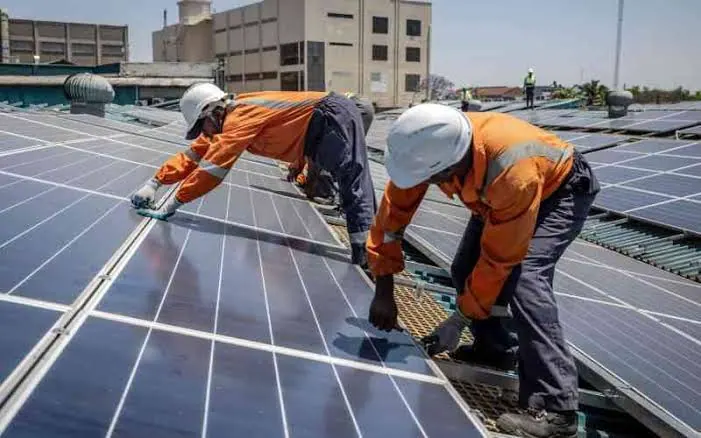
Unilever has invested Sh70 million in an 800kW solar power system at its Nairobi factory, aiming to lower energy costs and enhance stability in its manufacturing operations. The solar installation, operational since June, is expected to supply about 30 per cent of the factory's electricity and cut annual energy costs by approximately Sh30 million. This move is part of Unilever's efforts to increase renewable energy use across its operations and reduce reliance on conventional fuels.
The investment has already shown positive results, with a 40 per cent reduction in carbon emissions at the Nairobi plant compared to its 2023 baseline. This reduction is attributed to the solar system and an earlier switch from heavy fuel oil (HFO) to biomass for its boilers. Unilever's Supply Chain Head, João F. Ribeiro, highlighted that such investments make operations more resilient and competitive while reducing reliance on conventional energy.
The shift to renewable energy is also expected to make Unilever's energy costs more predictable, helping the factory manage fluctuations in conventional fuel and electricity prices. Elodie Kouassi, Unilever's head of supply chain for East Africa excluding Ethiopia, emphasized that sustainability measures can be combined with efforts to improve business performance. By reducing dependence on conventional energy, the factory aims to lower operating emissions while strengthening supply chain resilience.
Unilever's Nairobi project is part of a wider programme to expand renewable energy use across its manufacturing network while cutting emissions. The company plans to further reduce fossil fuel consumption at the Nairobi plant by shifting hot-air generation from HFO to biomass-based fuels. This move is expected to enhance the factory's environmental sustainability and operational efficiency.
The investment in solar power comes as manufacturers in Kenya increasingly seek alternative energy sources to manage operating costs and improve production system reliability. Unilever's initiative demonstrates that sustainability measures can be integrated with business performance improvement efforts. The company's commitment to renewable energy is expected to have a positive impact on its operations and the environment.
Unilever's efforts to reduce its carbon footprint and reliance on conventional energy are part of a broader trend in Kenya's manufacturing sector. Companies are exploring alternative energy sources, such as solar and biomass, to manage costs and improve operational efficiency. The Kenyan government has also been promoting renewable energy use to reduce the country's reliance on fossil fuels and mitigate climate change.
The solar power investment is expected to have a positive impact on Unilever's operations in Kenya, enhancing the company's competitiveness and sustainability. The initiative demonstrates Unilever's commitment to environmental sustainability and its efforts to reduce its carbon footprint. The company's plans to expand renewable energy use across its manufacturing network are expected to contribute to a more sustainable future.
Key points
- Unilever invests Sh70m in 800kW solar power system at its Nairobi factory to reduce energy costs and carbon emissions.
- The solar installation is expected to supply 30 per cent of the factory's electricity and cut annual energy costs by Sh30 million.
- The investment has already reduced carbon emissions at the Nairobi plant by 40 per cent compared to its 2023 baseline.