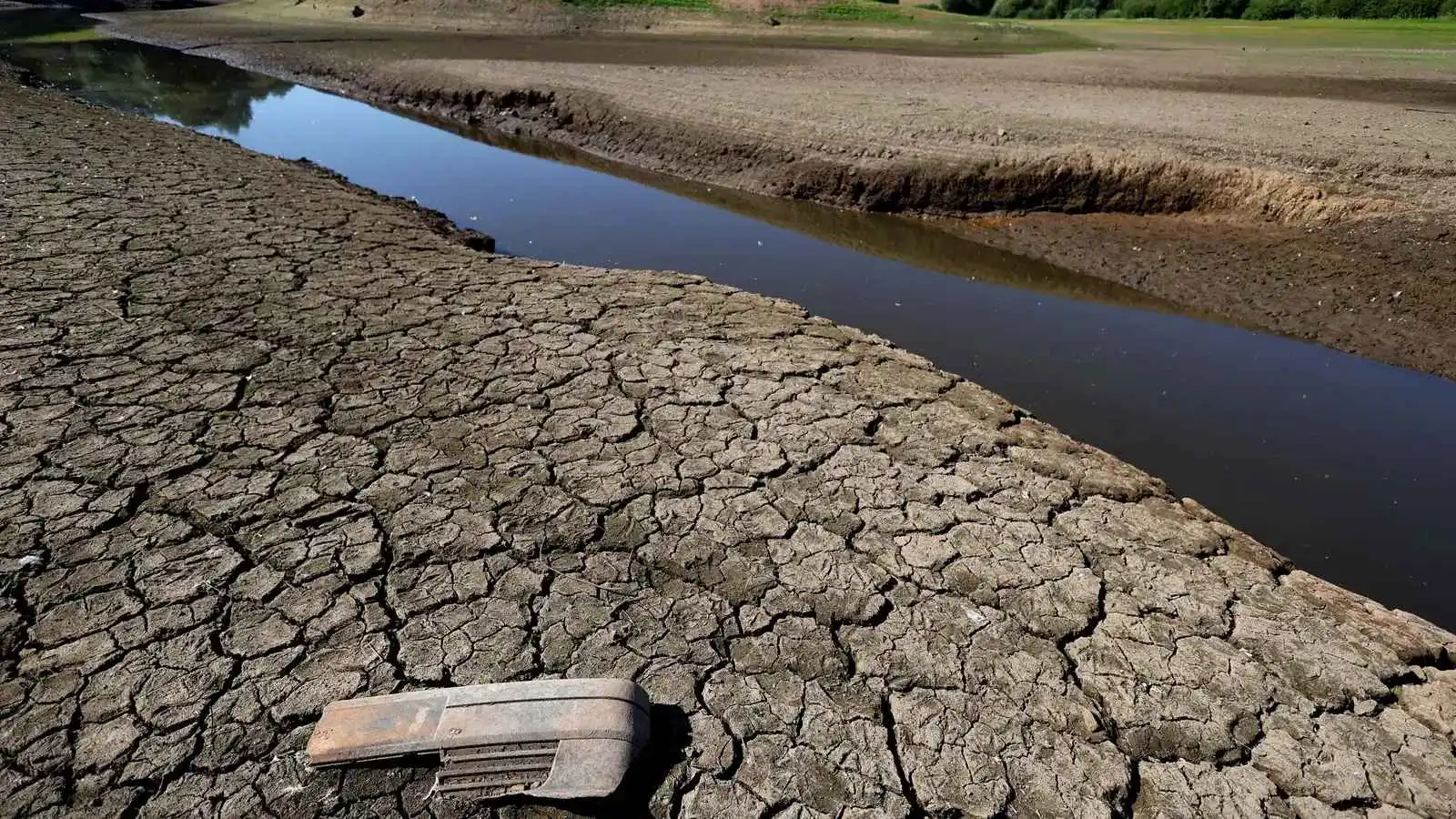
The United Nations Children's Fund (UNICEF) has issued a warning that over 347 million children in nearly 100 countries and territories may face severe weather conditions from October to December 2026. This is due to the effects of the El Niño phenomenon, which can lead to unusual droughts, heavy rainfall, and high humidity. The organization emphasizes that a large number of children will be affected by the climate fluctuations associated with this natural phenomenon.
The Asia-Pacific region has the largest share of children exposed to harsh weather, with approximately 190 million children at risk. In southern and eastern Africa, around 41 million children may face severe weather conditions. Additionally, the phenomenon is expected to impact Europe and Central Asia, affecting around 22 million children during the same period. UNICEF highlights that about 1.1 billion children worldwide have already been exposed to extreme weather conditions, including droughts, heatwaves, and floods.
According to the Los Angeles Times, the current El Niño phenomenon is expected to be the strongest since 1950, which may exacerbate climate fluctuations in various regions worldwide. El Niño is characterized by an abnormal rise in the temperature of equatorial Pacific Ocean waters, leading to changes in temperature and precipitation patterns. The effects of El Niño vary across regions, with Brazil being one of the most affected countries.
In Brazil, the northern regions and the Amazon basin are experiencing severe droughts and heatwaves, while the southern regions are facing heavy rainfall and floods. UNICEF emphasizes that children are particularly vulnerable to climate-related disasters, which can have long-term consequences for their health, education, and well-being. The organization is working to support children and families affected by El Niño.
UNICEF's warning highlights the need for urgent action to mitigate the effects of climate change on children. The organization is calling for increased support and resources to help children adapt to climate-related risks. This includes providing emergency assistance, such as food, shelter, and healthcare, as well as long-term solutions to address the root causes of climate change.
The Moroccan government, like other governments worldwide, faces the challenge of addressing the impacts of climate change on its population, particularly children. Morocco has been actively engaged in international efforts to combat climate change and has implemented various initiatives to reduce its carbon footprint and promote sustainable development.
As the international community prepares for the upcoming climate conferences, UNICEF's warning emphasizes the need for collective action to protect children from the impacts of climate change. The organization stresses that children are among the most vulnerable populations and that their needs must be prioritized in climate-related policies and initiatives.
Key points
- Over 347 million children in nearly 100 countries face severe weather conditions due to El Niño.
- The Asia-Pacific region has the largest share of children exposed to harsh weather, with approximately 190 million children at risk.
- UNICEF is calling for increased support and resources to help children adapt to climate-related risks.