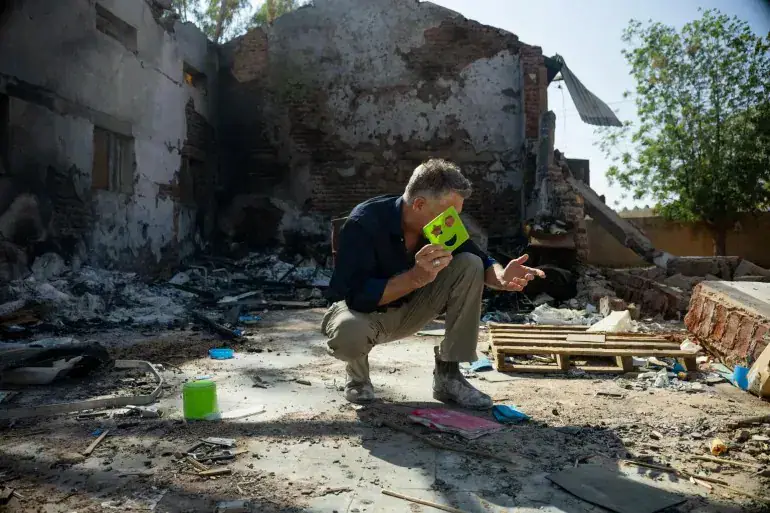
UNICEF's Senior Adviser and Spokesperson, James Elder, has warned that drone strikes on Sudan's power stations are severely impacting children's access to essential services, including water, education, and healthcare. The attacks, which have intensified in recent weeks, have destroyed critical infrastructure, exacerbating the effects of a deepening drought. Elder, who recently returned from Sudan, described the situation as an assault unlike anything the country has experienced before.
The drone strikes have targeted power stations across Sudan, with up to 15 facilities hit in October alone. The destruction of power infrastructure has halted water treatment and pumping, forcing families to rely on expensive and unsafe alternatives. This has led to the spread of disease, while the cold storage needed to keep vaccines and medicines viable is also under threat. Furthermore, farmers are struggling to access irrigation due to the lack of electricity, and fuel shortages are compounding the problem.
The impact of the drone strikes and drought on Sudan's children is severe. An estimated 825,000 children under the age of five are expected to suffer from severe acute malnutrition in 2026, a type of malnutrition that can be fatal. Elder noted that two in three child casualties in Sudan this year have been caused by armed drones, bringing the war to previously safe areas. The strikes have also disrupted education, with over 292,000 school textbooks and 40,000 review books destroyed in a single attack.
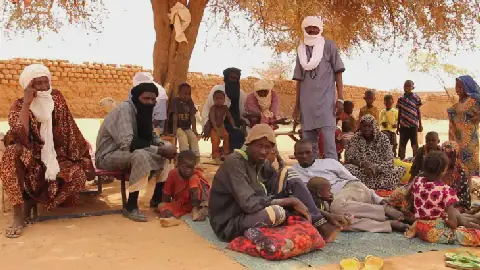
During his visit to displacement camps, Elder met children who had been severely affected by the conflict. One teenager, Burie, lost both hands in an explosion and now relies on his friends for assistance. Despite the challenges, Elder praised the resilience of Sudanese people, who continue to support each other in the face of overwhelming adversity. However, he warned that this resilience cannot be sustained without international attention and action.
Elder emphasized that the combined effects of the drone strikes and drought pose a particularly serious threat to children. The planting window for the 2026-27 cereal harvest has largely closed, and even if rains arrive late, they cannot undo the damage. The situation is expected to worsen, with harvests suffering, prices rising, and food becoming increasingly scarce. This has created a lethal cycle that is difficult to break.
The situation in Sudan demands international attention and action. Elder urged the world to take notice of the crisis, warning that if the international community waits for a worse situation to develop, it will be too late. The suffering of Sudan's children has been met with silence for three and a half years, and Elder questioned what it would take for the world to respond.
The crisis in Sudan requires immediate attention and action from the international community. Elder concluded that if the world is waiting for something worse to happen, it will be waiting at the graves of Sudan's children. The situation demands a concerted effort to address the humanitarian crisis and bring an end to the conflict.
Key points
- Drone strikes on Sudan's power stations have left children without access to water, education, and healthcare.
- An estimated 825,000 children under five are expected to suffer from severe acute malnutrition in 2026.
- Two in three child casualties in Sudan this year have been caused by armed drones.
Reporting sources
- UNICEF: ‘Drone attacks unlike anything Sudan has seen before’ · Radio Dabanga