The United Nations Children's Fund (UNICEF) has identified poor communication and weak translation of research findings as major barriers preventing evidence from influencing policies and programmes for children in Nigeria. According to UNICEF Representative in Nigeria, Wafaa Saeed, large volumes of research and evaluations are being produced but not adequately communicated or used by decision-makers and programme implementers. This results in evidence not being used to deliver meaningful results for children.
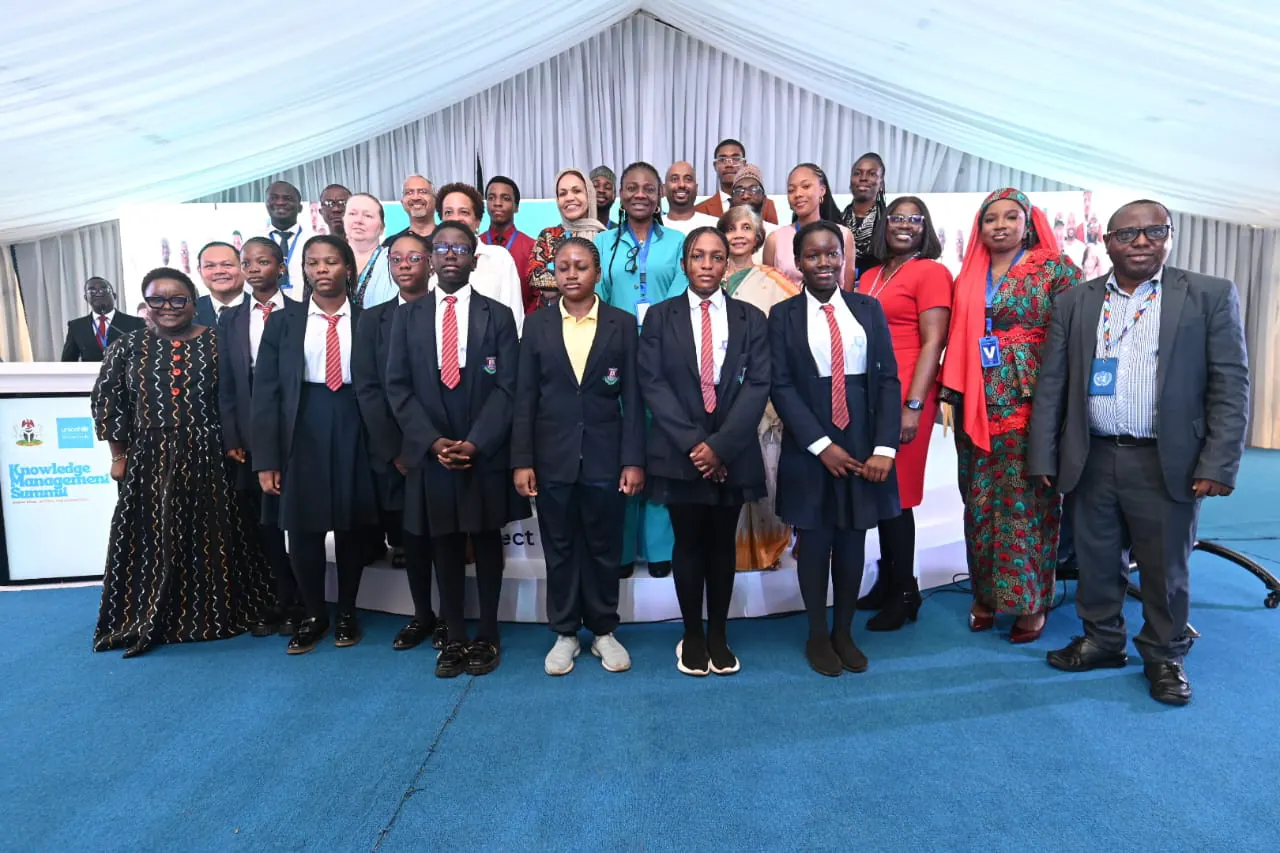
Saeed made the call at the Knowledge for Use (K4U) Summit on Child Rights in Abuja, themed "From Knowledge to Action: Advancing Child Rights Through Evidence, Innovation and Learning." The summit brought together policymakers, development partners, academics, and civil society organisations to examine how evidence, knowledge, and innovation could be translated into better outcomes for children. Saeed stressed the need to move beyond producing reports to ensuring that knowledge informs decisions and action.
UNICEF's Chief of Planning and Monitoring, Wayne Bacale, said the summit aimed to share knowledge generated through research, evaluations, and assessments on child rights. The objective was not simply to present research findings but to ensure that knowledge was used to improve the lives of children and mothers. Bacale called for sustained dialogue among researchers, policymakers, and implementing institutions to identify concrete ways of translating research and evaluation findings into policy actions.
UNICEF's Child Protection Chief in Nigeria, Natalie McCauley, noted that Nigeria and its development partners already had significant evidence on child rights issues. However, the challenge was ensuring that existing knowledge was accessible, synthesised, and used. McCauley identified weak institutional memory as a challenge, noting that changes in personnel could result in new officials being unaware of previous research, programmes, and lessons.
Participants at the summit, including Professor Alphonso Isara of the Behavioural Research Design Laboratory, stressed the importance of presenting research findings in accessible language and formats suitable for intended users. Isara advocated stronger links between research institutions and communities, describing the process as a connection between "town and gown." He cited situations where technical medical or research terminology made findings difficult for community members to understand.
The summit also highlighted the need to close the feedback gap between development organisations and communities. Participants noted that organisations often collect data and community perspectives without systematically returning the findings to the people who provided the information. Closing this feedback loop would strengthen accountability and help communities understand how their contributions were being used.
UNICEF said its parenting programmes had demonstrated the importance of removing technical language and using peer-to-peer and community-based communication. The organisation urged stakeholders to have the courage and openness to examine what is not working, learn from failures, and change course where necessary to improve outcomes for children. Young people should be involved not merely as beneficiaries or respondents but as participants in generating and shaping knowledge about issues affecting them.
Key points
- UNICEF identifies poor communication and weak translation of research findings as major barriers to evidence-based child policies in Nigeria.
- The organisation urges stakeholders to have the courage to examine what is not working and learn from failures to improve outcomes for children.
- Improved communication of research findings in accessible language and formats is crucial to inform decision-making and action.