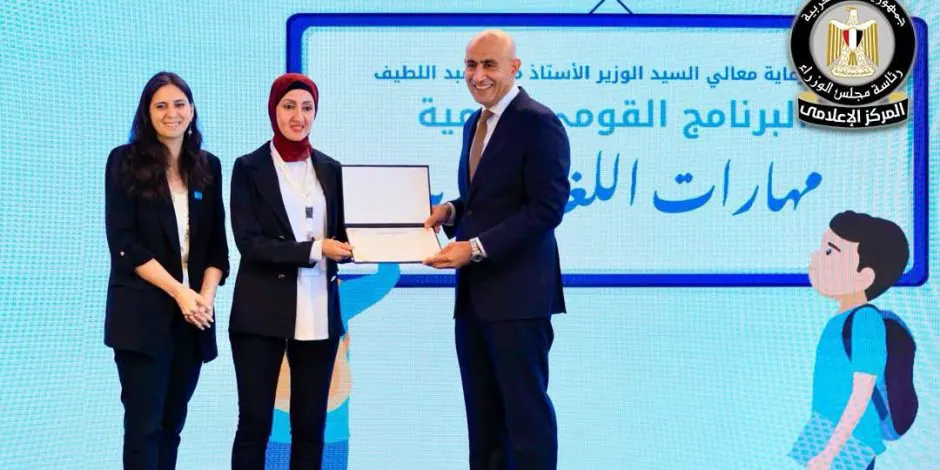
The United Nations Children's Fund (UNICEF) has praised Egypt's National Program for Developing Arabic Language Skills, highlighting its positive impact on students' reading and writing abilities. According to UNICEF, the program's first three phases have shown tangible progress, with over 1.38 million students from all 27 governorates participating. The assessment revealed that children who started with lower skill levels demonstrated the most significant improvement.
UNICEF noted that the program's success is particularly evident among children who began with lower proficiency levels, indicating that the initiative has helped them catch up and enhance their basic learning skills. This progress is a testament to the program's effectiveness in supporting students who need it most. As a result, the fourth phase of the program is set to launch, alongside the introduction of a new national program aimed at developing mathematics skills.
The National Program for Developing Arabic Language Skills is part of a broader effort to improve education in Egypt. UNICEF emphasizes that reading, writing, and arithmetic are essential skills for children's academic success and growth. The organization has expressed its commitment to continuing its support for Egyptian children, in collaboration with the Ministry of Education and Technical Education and other program partners.
The launch of the fourth phase of the Arabic language skills program and the new mathematics program marks a significant expansion of efforts to support basic learning skills among Egyptian children. UNICEF's involvement underscores the importance of partnerships in driving educational progress. By working together, stakeholders aim to ensure that children in Egypt have access to quality education that prepares them for future success.
Egypt's Ministry of Education and Technical Education has been instrumental in implementing the National Program for Developing Arabic Language Skills. The ministry's efforts have been complemented by UNICEF's technical and financial support. The partnership has enabled the program to reach a large number of students across the country, with a focus on those who need it most.
The progress made by the National Program for Developing Arabic Language Skills has significant implications for Egypt's education sector. By improving students' reading and writing abilities, the program is helping to build a stronger foundation for future learning. This, in turn, is expected to have a positive impact on students' overall academic performance and future prospects.
As the fourth phase of the program gets underway, stakeholders are optimistic about the potential for continued progress. With UNICEF's ongoing support, the National Program for Developing Arabic Language Skills is poised to make a lasting impact on education in Egypt. The initiative's success serves as a model for other countries seeking to improve their education systems and support the development of essential skills among their children.
Key points
- UNICEF commends Egypt's national program for improving Arabic language skills, citing significant progress in reading and writing abilities among over 1.38 million students.