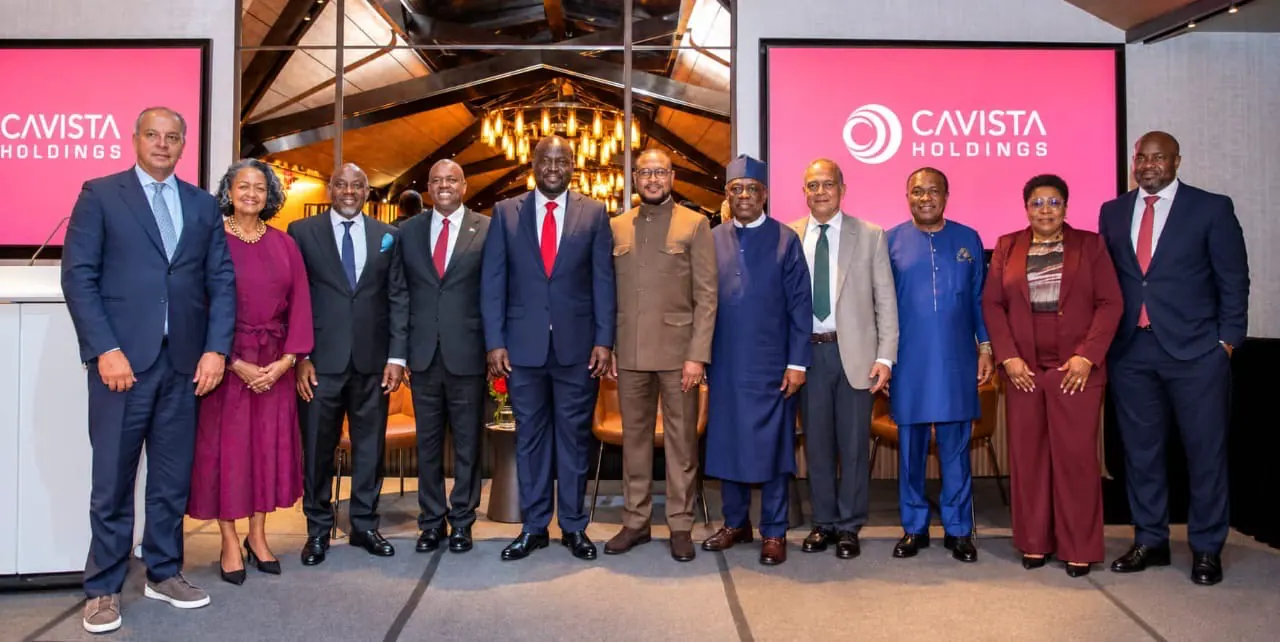
Cavista Holdings recently hosted the annual U.S.-Africa Leadership Dinner in New York on the sidelines of the 81st United Nations General Assembly. The event brought together African and U.S. business leaders, investors, policymakers, and development finance stakeholders to discuss ways to turn growing interest in African markets into long-term investment and successful business execution. The dinner focused on investment opportunities and practical challenges across various sectors, including infrastructure, energy, agriculture, manufacturing, technology, and critical minerals.
The event featured discussions on the U.S.-Africa investment landscape, with Cavista Holdings Chairman, Niyi John Olajide, and John Jovanovic, President and Chairman of the Export-Import Bank of the United States. Another discussion featured Olajide and Sameh Shenouda, Executive Director and Chief Investment Officer of the Africa Finance Corporation. The discussions emphasized the importance of partnerships, local expertise, and long-term capital in translating Africa's investment opportunities into sustainable businesses.
Niyi John Olajide stressed that the next phase of investment in Africa would depend on the quality of partnerships supporting projects on the continent. He emphasized that U.S. businesses and investors could contribute capital, technology, and expertise, while African businesses could provide local knowledge, resources, talent, and access to growing markets. Olajide also highlighted the importance of strong governance and a long-term perspective in building businesses that deliver sustainable returns.
John Jovanovic noted that investing in Africa required investors to engage early, understand individual markets, and build appropriate partnerships. He mentioned that EXIM was working to facilitate such partnerships, attract more private capital to projects, and support American companies seeking opportunities across African markets. Sameh Shenouda emphasized that Africa's growing role in the global economy meant investors needed more than capital, stressing the importance of local knowledge and the capacity to navigate different markets and execute projects.
The discussions also highlighted the gap between investor interest in Africa and successful execution. Speakers stressed the importance of reliable local partners who understand regulatory and operating environments, maintain strong stakeholder relationships, and possess the experience required to navigate the practical challenges of doing business on the continent. Cavista Holdings' own experience as an operator informs its approach to connecting international capital and expertise with African investment opportunities.
Cavista Holdings has businesses across various sectors, including agriculture, food processing, financial services, hospitality, and technology. In Nigeria, Agbeyewa Farms is developing a cassava value chain in Ekiti State, while Matna Foods processes cassava into food-grade starch in neighboring Ondo State. The group also operates in other countries, including Botswana, India, the Philippines, and the United States.
The event was attended by several high-profile individuals, including former Botswana President, Dr. Mokgweetsi Masisi; Nigeria's Minister of Education, Dr. Maruf Tunji Alausa; the Emir of Kano, Muhammadu Sanusi II; Zamfara State Governor, Dr. Dauda Lawal; and former Ekiti State Governor and former Minister of Mines and Steel Development, Dr. Kayode Fayemi. The objective of the event was to help move conversations from investment interest to actual investment and, ultimately, successful execution by building the relationships and local capabilities required to create lasting value in Africa.
Key points
- The annual U.S.-Africa Leadership Dinner focused on investment opportunities and practical challenges across various sectors in Africa.
- Cavista Holdings' Chairman emphasized the importance of partnerships, local expertise, and long-term capital in translating Africa's investment opportunities into sustainable businesses.
- The event highlighted the gap between investor interest in Africa and successful execution, stressing the importance of reliable local partners.