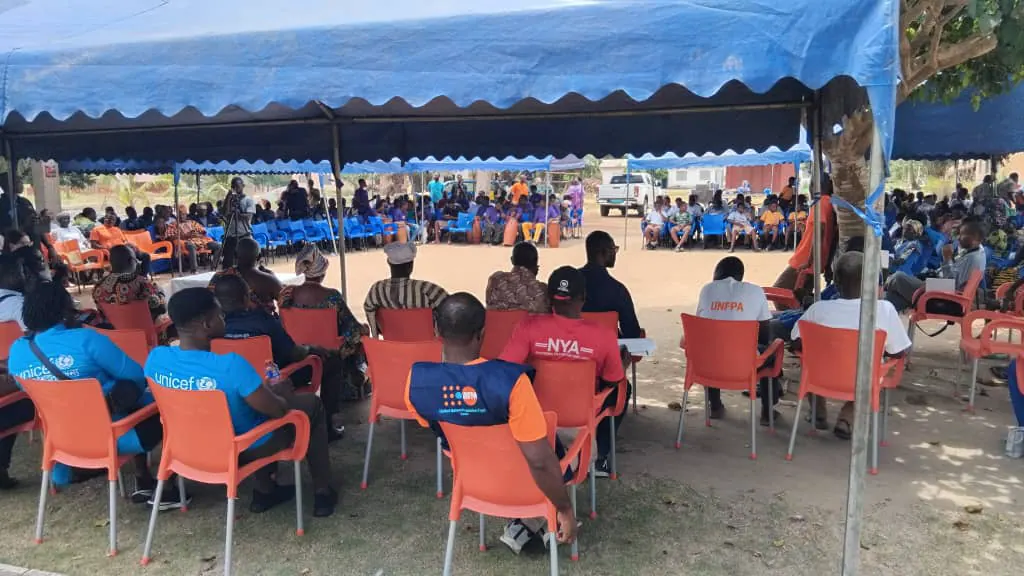
Dr. Emmily Naphambo, Deputy Representative of the United Nations Population Fund (UNFPA), has called on parents to ensure that adolescent girls in Ghana remain in school and are protected from all forms of violence. She made this appeal during an engagement with parents in Dadoboe, Central Tongu District, who benefited from the Gender Responsive Empowerment Programme (Great Model Households). The programme aims to support adolescent girls' access to sexual and reproductive health services and create supportive family environments.
The challenges confronting adolescent girls are multifaceted and require concerted efforts from parents, communities, institutions, and development partners. Dr. Naphambo emphasized that there are three key outcomes that would bring satisfaction to UNFPA, UNICEF, and their donors, while contributing to Ghana's development aspirations. These outcomes include ensuring that girls remain in school, protecting them from violence, and raising them to become better than their parents.
Dr. Kennedy Brightson, Director of Family Health and Technical Adviser on Health at the Office of the Vice President, commended participating households for their positive transformation, particularly improvements in relationships between fathers and daughters. He noted that some traditional approaches to disciplining children, especially girls, could create fear and distance between parents and their children, exposing them to negative influences outside the home.
Improved communication and understanding between fathers and daughters can help prevent circumstances that might lead to teenage pregnancy and school dropout. Dr. Brightson stressed the importance of healthy relationships between husbands and wives, saying a harmonious home provides a better environment for children to grow. He compared a healthy family relationship to watering pepper plants, where the results become visible over time.
Togbe Akliku Ahorney II, the Dufia of Mafi Dadoboe, said the community has benefited significantly from UNFPA interventions since 2023, particularly through training and capacity-building programmes. The training has inspired the community to establish a nursery or crèche for young children, promoting early socialization while allowing parents to engage in farming and other economic activities.
Togbe Ahorney called for the household training programme to be extended to more families in the district, suggesting that beneficiaries could serve as resource persons to share their knowledge and experience with other parents. However, he noted that some challenges and undesirable behaviors persist despite the interventions, and called for sustained education and community engagement.
Some beneficiaries shared their experiences, saying the training has helped them improve communication, strengthen relationships, and maintain more supportive household environments. The success of the interventions depends on the willingness of young people to embrace the knowledge and guidance provided. Parents are encouraged to set aside excessive pride and adopt open communication with their children, listening to them while providing guidance.
Key points
- UNFPA urges parents to ensure adolescent girls remain in school and are protected from violence.
- Improved communication between fathers and daughters can help prevent teenage pregnancy and school dropout.
- Healthy relationships between husbands and wives provide a better environment for children to grow.