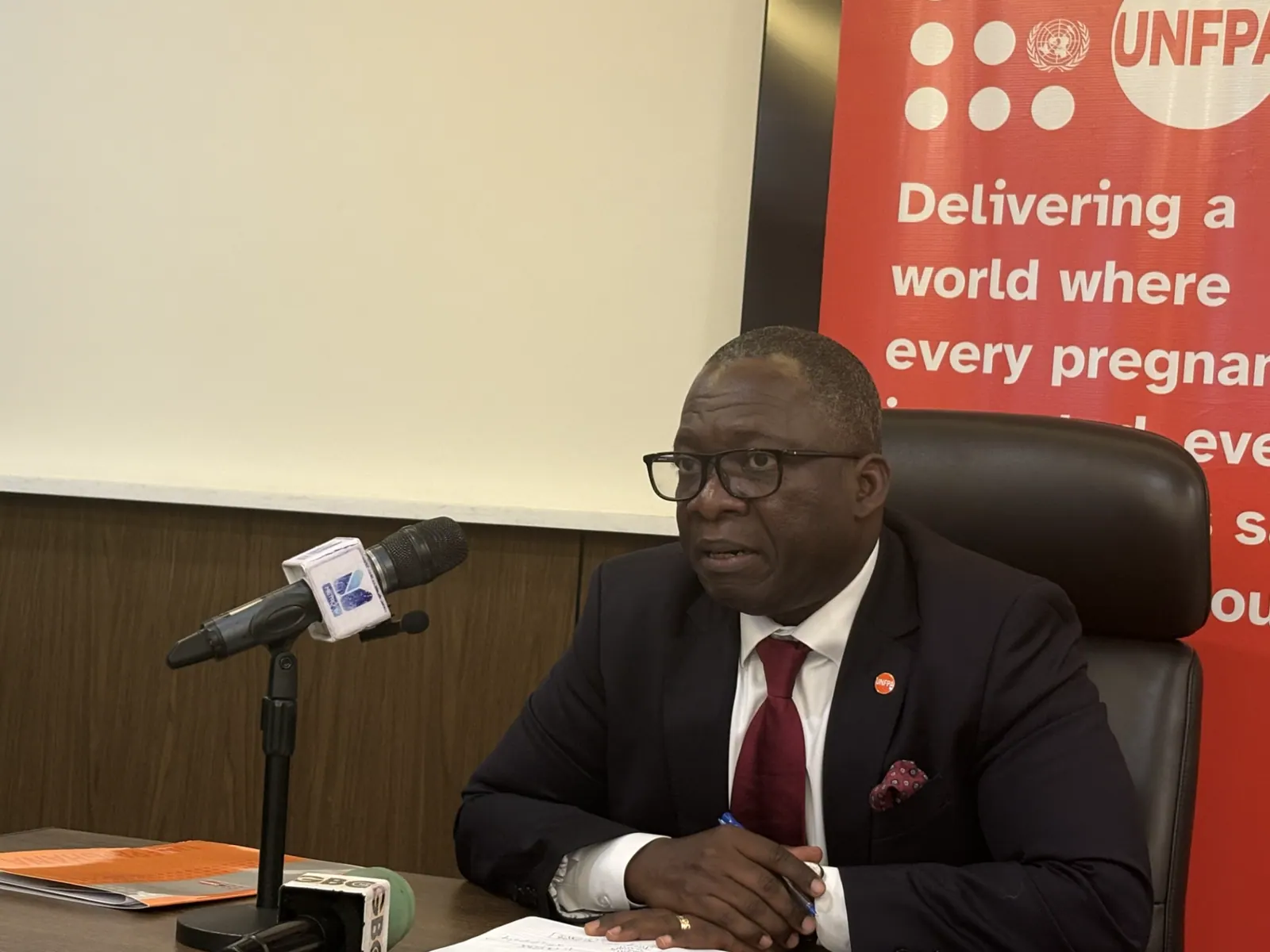
The United Nations Population Fund (UNFPA) is urging the Ghanaian government to prioritize investing in human resource retention in rural communities as part of the Presidential Initiative on Maternal Health Response (PRIMER). Launched by the Vice President, PRIMER aims to reduce maternal deaths by 20 percent annually. The five-year initiative brings together various stakeholders to address challenges affecting maternal survival. Ghana currently records 234 deaths per 100,000 live births, far exceeding the Sustainable Development Goal target of fewer than 70 deaths per 100,000 live births by 2030.
According to UNFPA Regional Director for West and Central Africa, Dr. Sennen Hounton, late identification of high-risk pregnancies, delays in emergency referrals, and inadequate critical-care equipment are significant challenges that PRIMER seeks to address. Although Ghana has made progress in reducing maternal mortality to 250 per 100,000 live births, the figures have stagnated in recent years. Dr. Hounton emphasized that the crisis lies in the quality of care provided after a woman seeks medical attention.
Dr. Hounton noted that a disproportionate share of maternal deaths in Ghana involves adolescents, with thousands of adolescent pregnancies recorded each year. He attributed the high risk of dying to persistent child marriage. The African region accounts for 44 percent of the continental total of maternal deaths, with seven out of every ten maternal deaths worldwide occurring in Africa. The average ratio of maternal deaths has fallen from around 900 two decades ago to roughly 600, but the pace is far too slow to meet the Sustainable Development Goal target.
The UNFPA Regional Director raised concerns about the lack of qualified health professionals in rural areas, driven away by the lack of incentives. He called on the government to train and retain critical human resources, allocate adequate resources for purchasing lifesaving family planning commodities and drugs, and mobilize citizens and corporate institutions to support PRIMER. Dr. Hounton emphasized that the issue in Ghana is not bad coverage, but rather the readiness of the system and the quality of care provided.
UNFPA Country Representative, Dr. Wilfred Ochan, applauded the government for launching PRIMER and pledged the fund's support for the initiative. Dr. Ochan's assurance of support underscores the importance of collaboration in addressing maternal health challenges in Ghana. The UNFPA's call for incentives to retain health workers in rural areas highlights the need for a comprehensive approach to addressing the root causes of maternal mortality.
The Presidential Initiative on Maternal Health Response (PRIMER) is a multisectoral initiative that brings together ministries, public institutions, local authorities, traditional and religious leaders, civil society, the private sector, and communities to address maternal health challenges. By engaging various stakeholders, PRIMER aims to make a significant impact in reducing maternal deaths in Ghana. The initiative's success will depend on the government's commitment to investing in human resource retention and allocating adequate resources.
The UNFPA's advocacy for incentives to retain health workers in rural areas is crucial in addressing the shortage of qualified health professionals in these areas. With the current shortage of health workers, it is essential that the government prioritizes their retention and recruitment. By doing so, Ghana can make progress towards achieving the Sustainable Development Goal target of reducing maternal mortality.
Key points
- UNFPA urges government to prioritize investing in human resource retention in rural communities.
- Ghana records 234 deaths per 100,000 live births, exceeding the Sustainable Development Goal target.
- The Presidential Initiative on Maternal Health Response aims to reduce maternal deaths by 20 percent annually.