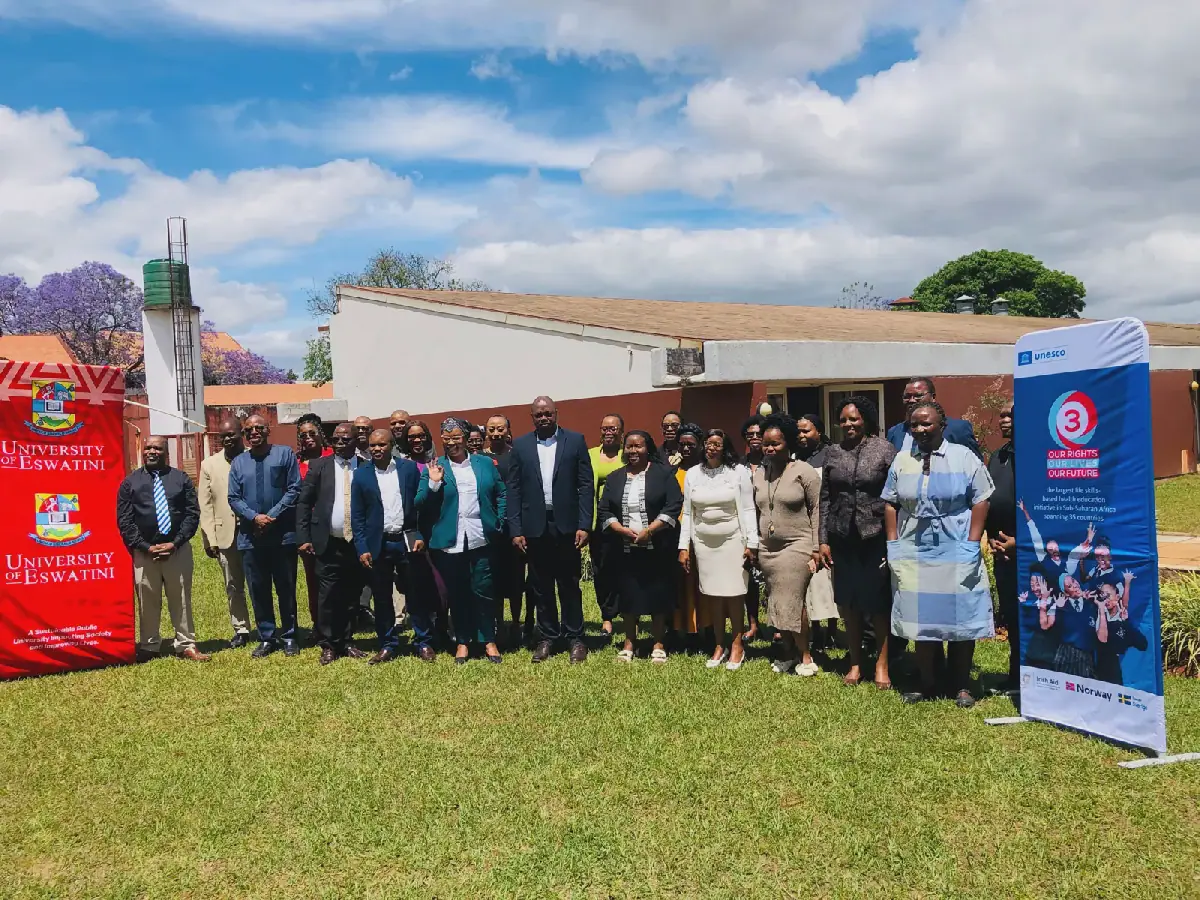
The University of Eswatini (UNESWA) and UNESCO have launched a life skills education project aimed at 4,000 teachers in Eswatini. The initiative, part of UNESCO's Our Rights, Our Lives, Our Future (O3) Programme, seeks to equip educators with skills to support learners' well-being, promote gender equality, and create safer learning environments. The project was launched at UNESWA's Kwaluseni Campus, marking a significant milestone in strengthening teacher education in the country.
The project targets 1,000 pre-service teachers and 3,000 in-service teachers, as well as 36 teacher educators from four teacher training institutions. Additionally, it will reach 12 civil society representatives, 20 regional guidance officers, and 32 school health officers. The initiative aims to institutionalize life skills education within teacher training programmes, ensuring educators can address challenges affecting young people beyond academic performance.
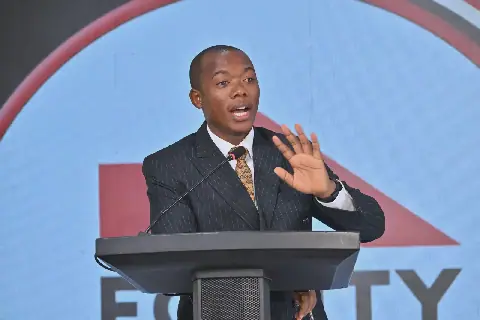
Delivering the Vice-Chancellor's address, Dean of the Faculty of Science and Engineering Dr D.G. Vilakati emphasized the importance of extending education beyond academic achievement. He noted that young people in Eswatini face challenges related to health, personal safety, relationships, peer pressure, gender equality, and violence. Vilakati stressed that learners need critical thinking, communication, empathy, and problem-solving skills to make informed decisions and respond constructively to challenges.
Dr. Vilakati highlighted the central role teachers play in shaping learners' attitudes and behavior. He noted that educators can be among the first people outside a learner's family to recognize emotional distress, identify vulnerability, or encourage a young person to seek support. However, Vilakati emphasized that teachers need relevant knowledge, professional values, teaching skills, and support systems to respond effectively to learners' needs.
The partnership between UNESCO and UNESWA provides an opportunity to strengthen teacher preparation and professional development while encouraging collaboration between UNESWA, government, teacher training institutions, and civil society organizations. UNESCO National Project Officer in Eswatini Mandisa Zwane-Machakata said the project represents a strategic investment in the future of the country's learners and educators.
Zwane-Machakata noted that UNESCO has implemented the O3 Programme across sub-Saharan Africa since 2018 to ensure adolescents and young people access quality life skills education that supports their rights, health, well-being, and development. The initiative will move life skills education beyond short-term interventions by embedding it in teacher education systems. Under the partnership, UNESWA will serve as a national centre of excellence for life skills education.
The project will enable UNESWA to lead the development and integration of a dedicated course into teacher education curricula, strengthening lecturers' capacity and supporting the rollout of UNESCO's Comprehensive Sexuality Education programme. The partnership is expected to have a lasting impact on the education sector in Eswatini, ultimately contributing to the well-being and development of the country's young people.
Key points
- The project aims to institutionalize life skills education within teacher training programmes in Eswatini.
- The initiative targets 4,000 teachers, including 1,000 pre-service teachers and 3,000 in-service teachers.
- The partnership between UNESCO and UNESWA seeks to strengthen teacher preparation and professional development in Eswatini.