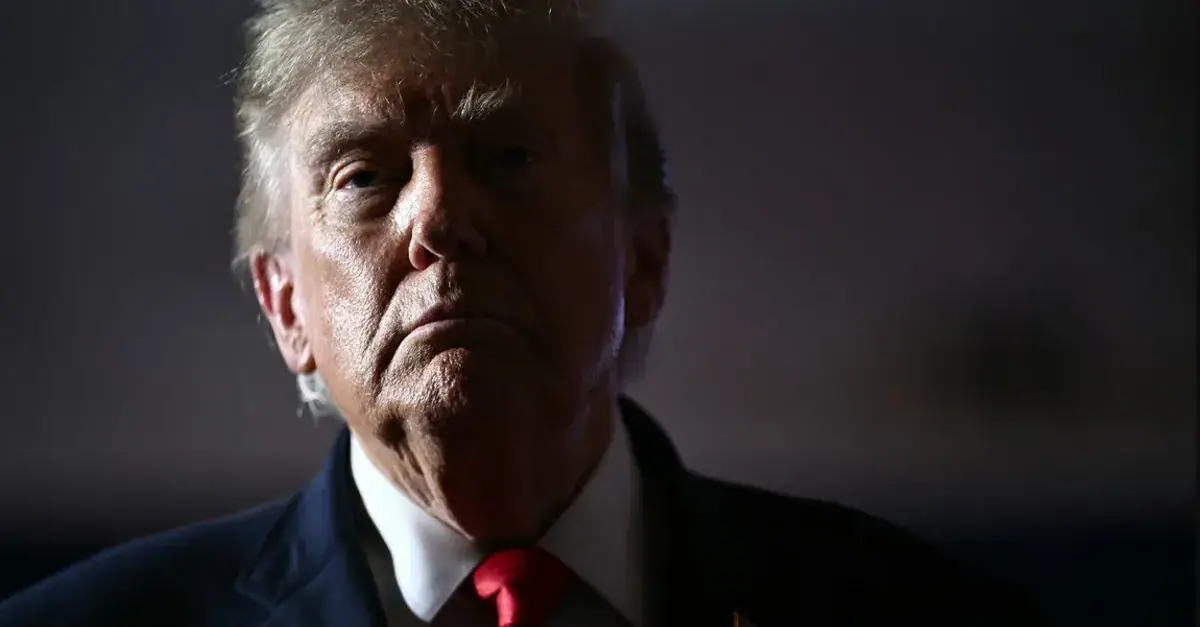
The concept of "veto" has become a significant aspect of US politics, particularly with President Donald Trump's administration seeking ways to counter the Democratic-controlled Congress. Trump's use of the veto power, granted by the US Constitution, allows him to reject decisions made by Congress and limit their authority. This move comes as a response to the Democrats' recent gains in both the Senate and House of Representatives.
The US Constitution grants the President two types of veto power: the ordinary veto and the pocket veto. The ordinary veto occurs when Congress passes a new law or budget, which is then sent to the President for review and signature. If the President disagrees with the law or budget, they can veto it by sending it back to Congress within 10 days, excluding Sundays. Congress can then review the President's objections and vote on the law again, potentially overriding the veto with a two-thirds majority in both the House and Senate.
On the other hand, the pocket veto is a more powerful tool, as it cannot be overridden by Congress. This type of veto occurs when the President fails to sign a law or budget within the 10-day period, and Congress adjourns before the President returns the document. In this case, the law or budget automatically expires and does not take effect. Trump's administration has been exploring ways to utilize this power to push through its agenda.
President Trump has previously used his veto power 10 times during his first term in office. In December, he vetoed two laws passed by Congress with bipartisan support. One law aimed to reduce the financial burden on local communities in Colorado related to a new water pipeline project, while the other sought to support a flood risk reduction project in a Native American reservation in Florida.
Trump's use of the veto power is not unprecedented. President Biden has used the veto 13 times, while former President Barack Obama used it 12 times. However, it is rare for Congress to override a presidential veto, with only 111 instances of successful overrides out of 2574 vetoes issued by US Presidents throughout history.
Some US Presidents have used the veto power extensively, with Franklin D. Roosevelt holding the record for the most vetoes at 635. Grover Cleveland used the veto 584 times, while Harry Truman used it 250 times. These Presidents have utilized the veto power to shape policy and counter Congressional decisions.
The use of the veto power has significant implications for the balance of power between the executive and legislative branches of the US government. As President Trump continues to utilize this power, it remains to be seen how Congress will respond and whether they will be able to override his vetoes.
Key points
- Trump has invoked his constitutional power to veto Congressional decisions, using it 10 times during his first term in office.
- The US Constitution grants the President two types of veto power: the ordinary veto and the pocket veto.
- President Franklin D. Roosevelt holds the record for the most vetoes at 635.
Reporting sources
- Al-Qahera News · Al-Qahera News