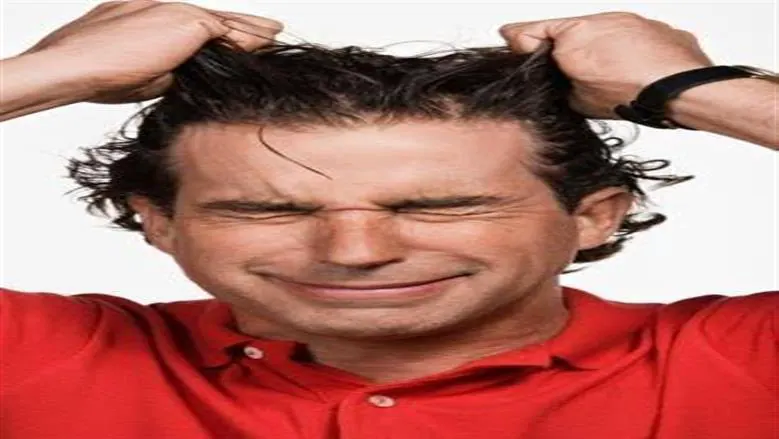
Trichotillomania, also known as hair-pulling disorder, is a psychological condition that affects numerous individuals globally. It is marked by recurring and irresistible urges to pull out one's own hair, resulting in noticeable hair loss. This disorder is often associated with obsessive-compulsive disorder (OCD), a mental health condition characterized by recurring, intrusive thoughts and compulsions to perform specific rituals or behaviors. According to the Cleveland Clinic, trichotillomania is a complex condition that requires attention and understanding.
The symptoms of trichotillomania vary among individuals, but the primary characteristic is recurring hair pulling. This behavior often intensifies during periods of stress or anxiety, and individuals may experience a sense of relief or satisfaction after pulling out their hair. Other common symptoms include hair loss, skin irritation, and infections. In some cases, individuals may also engage in trichophagia, eating their pulled hair, which can lead to severe health complications, such as intestinal blockages.
The causes of trichotillomania are not fully understood, but research suggests that it may be linked to genetic, environmental, and psychological factors. Individuals with a family history of OCD or trichotillomania are more likely to develop the condition. Additionally, stress, anxiety, and certain personality traits may contribute to the development of trichotillomania. Understanding the underlying causes of this disorder is crucial for developing effective treatment strategies.
Trichotillomania can have significant physical and emotional consequences. Repeated hair pulling can lead to noticeable hair loss, skin irritation, and infections. Furthermore, individuals with trichotillomania often experience feelings of shame, guilt, and low self-esteem, which can negatively impact their daily lives and relationships. In some cases, trichotillomania may also co-occur with other mental health conditions, such as anxiety disorders, depression, and substance abuse.
Treatment options for trichotillomania vary, but they often involve a combination of psychotherapy, medication, and behavioral interventions. Cognitive-behavioral therapy (CBT) is a commonly used approach, which helps individuals identify and change negative thought patterns and behaviors associated with hair pulling. Medications, such as selective serotonin reuptake inhibitors (SSRIs), may also be prescribed to manage symptoms of anxiety and depression.
In Egypt, trichotillomania is a relatively unknown condition, and many individuals struggle to find effective treatment options. According to El Watan News, raising awareness about trichotillomania is essential for promoting understanding and support for those affected by the condition. By educating the public and mental health professionals about trichotillomania, individuals can receive the help and support they need to manage their symptoms and improve their quality of life.
In conclusion, trichotillomania is a complex psychological disorder that requires attention and understanding. By recognizing the symptoms, causes, and consequences of this condition, individuals can seek effective treatment and support. With increased awareness and education, it is possible to promote a more supportive and inclusive environment for those affected by trichotillomania.
Key points
- Trichotillomania is often linked to obsessive-compulsive disorder (OCD) and can have significant physical and emotional consequences if left untreated.