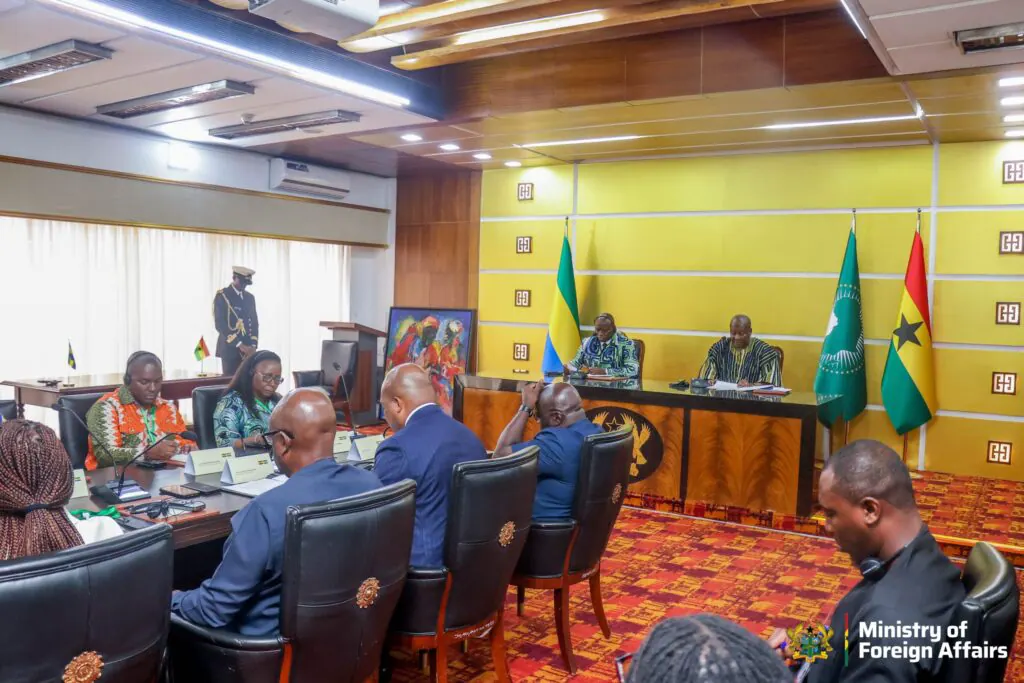
In Ghana's public sector, the terms "ministry" and "agency" are often used interchangeably, but they have distinct roles. A ministry is the highest organization for a sector, responsible for policy formulation, planning, and coordination. On the other hand, an agency, also known as a department, is the executing arm of a ministry, responsible for implementing policies and delivering services. Understanding this distinction is crucial for accountability and effective governance.
Ministries in Ghana are established by the President through executive instruments under the Civil Service Act, 1993 (Act 327). They are headed by a Minister who provides political leadership and a Chief Director who is the senior civil servant and chief adviser to the Minister. Ministries perform three core functions: policy formulation, development planning, and coordination, monitoring, and evaluation. These functions enable ministries to set policies, plan, and monitor the performance of their respective sectors.
Agencies, on the other hand, are typically established by their own Acts of Parliament, giving them separate legal identities. This independence allows them to operate with a degree of autonomy from their parent ministries. Agencies are responsible for implementing policies, delivering services, collecting revenue, regulating industries, and interacting directly with citizens. Examples of agencies in Ghana include the Ghana Health Service, Ghana Revenue Authority, and the National Petroleum Authority.
The implementation flow in Ghana's public sector is vertical and sequential. Ministries set policies and secure budgets, while agencies execute these policies. This division of labor is essential because ministries and agencies have different competencies. Ministries are staffed by policy analysts, planners, and administrators, while agencies are staffed by technical experts who do the actual work.
The Ministry of Education and its agencies, such as the Ghana Education Service, illustrate this distinction. The Ministry has a total supervisory role over its agencies but does not directly manage schools. The Ministry formulates policies, coordinates, and monitors, while the Ghana Education Service implements these policies. This distinction was highlighted in 2014 when a newspaper article accused the Ministry of Education of usurping the functions of the Ghana Education Service.
The distinction between ministries and agencies matters for accountability and resource allocation. When there is a problem with a service, it is essential to know who to blame. If a school is failing, is it because the Ministry of Education set bad policy, or because the Ghana Education Service is mismanaging implementation? The answer matters for accountability and effective governance.
In conclusion, understanding the distinction between ministries and agencies is crucial for effective governance in Ghana's public sector. Ministries formulate policies, while agencies implement them. This division of labor enables the government to work efficiently and effectively, and it is essential for accountability and resource allocation.
Key points
- Ministries in Ghana are responsible for policy formulation, planning, and coordination, while agencies are responsible for implementing policies and delivering services.
- Agencies in Ghana are typically established by their own Acts of Parliament, giving them separate legal identities and operational autonomy.
- The distinction between ministries and agencies matters for accountability and resource allocation in Ghana's public sector.