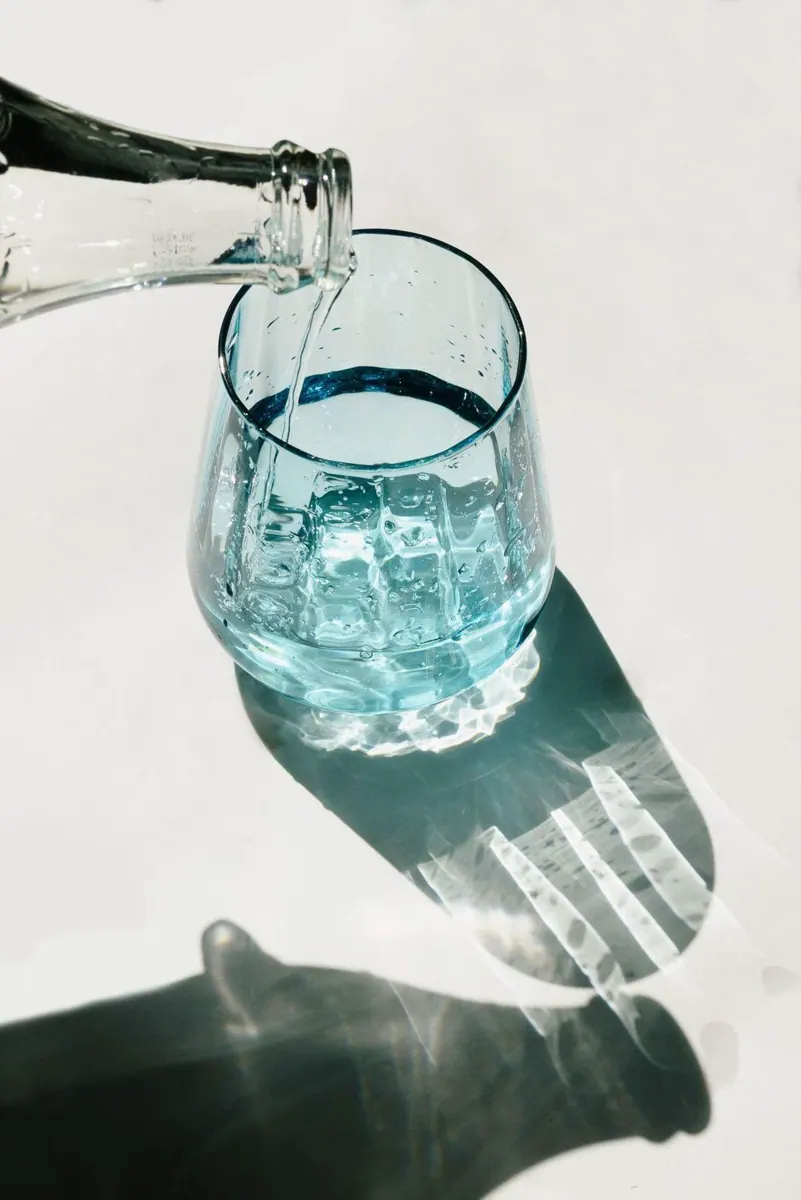
In South Africa, the variety of bottled water options has increased, making it crucial for consumers to understand the differences between them. The country's ongoing water challenges have led people to pay closer attention to their drinking water. However, the labels on bottled water do not necessarily indicate different levels of safety. The main differences lie in the water's source and treatment.
Tap water in South Africa is supplied through municipal or formal water supply systems and is subject to water quality requirements under SANS 241. This includes microbiological and chemical limits, but local conditions, infrastructure problems, and official advisories can affect water quality. It's essential to check with the municipality for local concerns rather than assuming all tap water is safe or unsafe.
Bottled or packaged water is a broad term that encompasses various types of water from different sources and treatments. South Africa's regulations distinguish between natural waters and prepared water, which can originate from different water supplies and undergo acceptable treatment. This means that "bottled water" does not automatically imply spring water or mineral water.
Spring water comes from an underground formation where water naturally flows to the surface. According to South African regulations, spring water can be collected directly from the spring or from a borehole tapping the underground formation. The term "spring" refers to the source of the water, not its perceived freshness or health benefits.
Natural mineral water also comes from an underground source but has a distinct identity based on its natural mineral composition. Unlike ordinary treated drinking water, natural mineral water is subject to specific requirements concerning its source, composition, and treatment. International guidance distinguishes natural mineral water from other packaged drinking waters.
Prepared or purified water can be treated to improve its safety or quality and can originate from different water supplies. This type of water can include distilled tap water and tap water with minerals added. The important distinction is the treatment the water has undergone, not its source. Distilled water, for example, has undergone a process that removes many dissolved substances and impurities.
When it comes to choosing the safest water, it's essential to look beyond the label. Safety depends on the source, treatment, handling, storage, and whether the water meets the relevant drinking-water requirements. For municipal water, South Africans should pay attention to local water-quality information and official advisories. For bottled water, the label can provide information on the category and source of the water.
Key points
- The safety of drinking water in South Africa depends on its source, treatment, handling, storage, and compliance with relevant drinking-water requirements.
- Tap water in South Africa is subject to water quality requirements under SANS 241, but local conditions can affect its quality.
- Bottled water labels do not necessarily indicate different levels of safety, and consumers should understand the differences between various types of water.