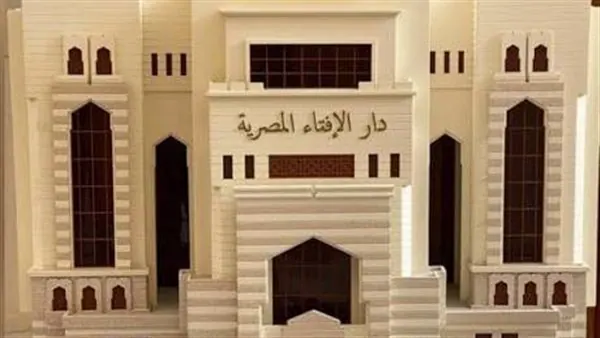
In a recent inquiry to the Egyptian Dar al-Ifta, a question was posed regarding the meanings of "soul" and "spirit" and which one faces punishment in the afterlife. The Dar al-Ifta responded that both terms are mentioned in the Quran and have been subjects of discussion among scholars. While some argue that they refer to the same entity, others contend that they are two distinct concepts.
According to Islamic scholarship, the terms "soul" and "spirit" have appeared in various Quranic verses, with "soul" appearing nearly three hundred times. The Quran describes the soul as being associated with the physical body, encompassing hands, eyes, and feet, and is capable of emotions such as joy, sorrow, and anger. On the other hand, the spirit is considered a luminous, upper-worldly entity that animates the body.
The Quran and Hadith provide multiple meanings for the term "spirit." It can refer to revelation, as in the verse "He sends down the Spirit from His Command upon whom He wills of His servants" (40:15). The Quran itself is also referred to as a spirit, as it brings life to people from spiritual death. Furthermore, the angel Gabriel is called the "Spirit" in several Quranic verses.
The term "soul" also carries multiple meanings in Arabic. It can refer to the blood or life force within a person. In some instances, it denotes the entirety of a person, as in the verse "Do not kill yourselves" (4:29). The Quran also attributes the term "soul" to God, as in the verse "You know what is in my soul, but I do not know what is in Your soul" (5:116).
Scholars have differing opinions on whether the spirit ceases to exist or continues to live after death. Some cite the verse "Everything will perish except His face" (28:88) to argue that the spirit dies. Others, however, point to Hadiths that describe the spirit's continued existence and experience of reward or punishment after separation from the body.
According to Islamic teachings, the spirit's abode after death varies. The spirits of prophets reside in the highest realms of heaven, while those of martyrs and righteous individuals dwell in paradise. Conversely, the spirits of non-believers and wrongdoers are confined to a place of suffering.
The question of whether the spirit or soul faces punishment is addressed through Quranic verses and Hadiths. While the spirit experiences reward or punishment immediately after death, the soul, comprising both the body and spirit, receives its due recompense on the Day of Judgment. This understanding aligns with the views of Ahl al-Sunnah wa al-Jama'ah, differing from perspectives held by certain other scholars.
Key points
- The terms "soul" and "spirit" have distinct meanings in Islam, with the spirit being a luminous entity that animates the body and the soul encompassing the entirety of a person.
- Scholars hold varying opinions on the continuation of the spirit's existence after death, with some citing Quranic verses and Hadiths to support their views.
- The spirit and soul experience reward or punishment at different stages, with the spirit facing immediate consequences after death and the soul receiving its due recompense on the Day of Judgment.