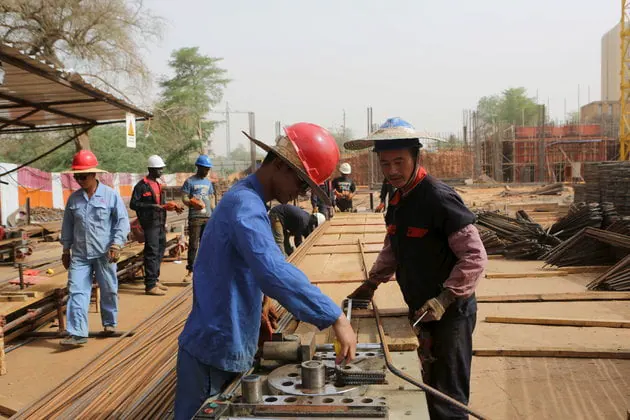
Public procurement plays a crucial role in Ghana's economy, as every cedi spent on infrastructure, goods, and services passes through this system. It is a formal process by which state institutions buy goods, hire contractors, and engage consultants using public funds. The system shapes what gets built, which companies win contracts, and how much things cost. Understanding how it works is essential for anyone who pays taxes or uses public services.
The Public Procurement Act, 2003 (Act 663), amended by the Public Procurement (Amendment) Act, 2016 (Act 914), governs the procurement process in Ghana. The Public Procurement Authority (PPA), established under Act 663, regulates the system, sets procurement policy, and monitors compliance by procuring entities. The PPA also issues standard tender documents, suspends delinquent suppliers, and manages the electronic procurement system.
The Public Procurement Act defines three main categories of procurement: goods, works, and services. Goods include objects of every kind, such as raw materials, products, equipment, and electricity. Works cover construction, reconstruction, demolition, repair, or renovation of buildings or structures, including site preparation and installation. Services mean the furnishing of labour, time, or effort, including consulting, professional, and technical services.
The procurement system in Ghana is decentralized, with different entities responsible for procurement at different value levels. Every ministry, department, agency, and district assembly is a procuring entity, required to establish a procurement unit and an Entity Tender Committee (ETC). The head of each entity is responsible and accountable for compliance with the Act.
The Public Procurement Authority has expressed concern about the misuse of single-source procurement, where entities proceed with procurement without prior approval and then seek ratification after the fact. The Authority considers this practice deeply worrying. The Act sets out several procurement methods, including competitive tendering, restricted tendering, and single-source procurement.
The Ghana Electronic Procurement System (GHANEPS), launched in 2019, has digitized the tender process, providing a secure, interactive environment for procurement of all categories and values. The system supports user registration, tender notification, tender preparation and submission, online evaluation, contract awarding, and payments. The PPA states that the use of GHANEPS has increased competition and enhanced private sector confidence in participating in public procurement.
The Public Procurement Authority publishes a monthly bulletin containing tender notices and contract award information. The Authority is also responsible for training public officials involved in procurement, maintaining a database of suppliers and contractors, and advising government on procurement matters. The goal of the procurement system is to secure "judicious, economic and efficient use of state resources" and ensure procurement is "fair, transparent and non-discriminatory".
Key points
- The Public Procurement Authority regulates the system, ensuring transparency and accountability in the procurement process.
- The Ghana Electronic Procurement System (GHANEPS) has increased competition and enhanced private sector confidence in participating in public procurement.
- The procurement system in Ghana is decentralized, with different entities responsible for procurement at different value levels.