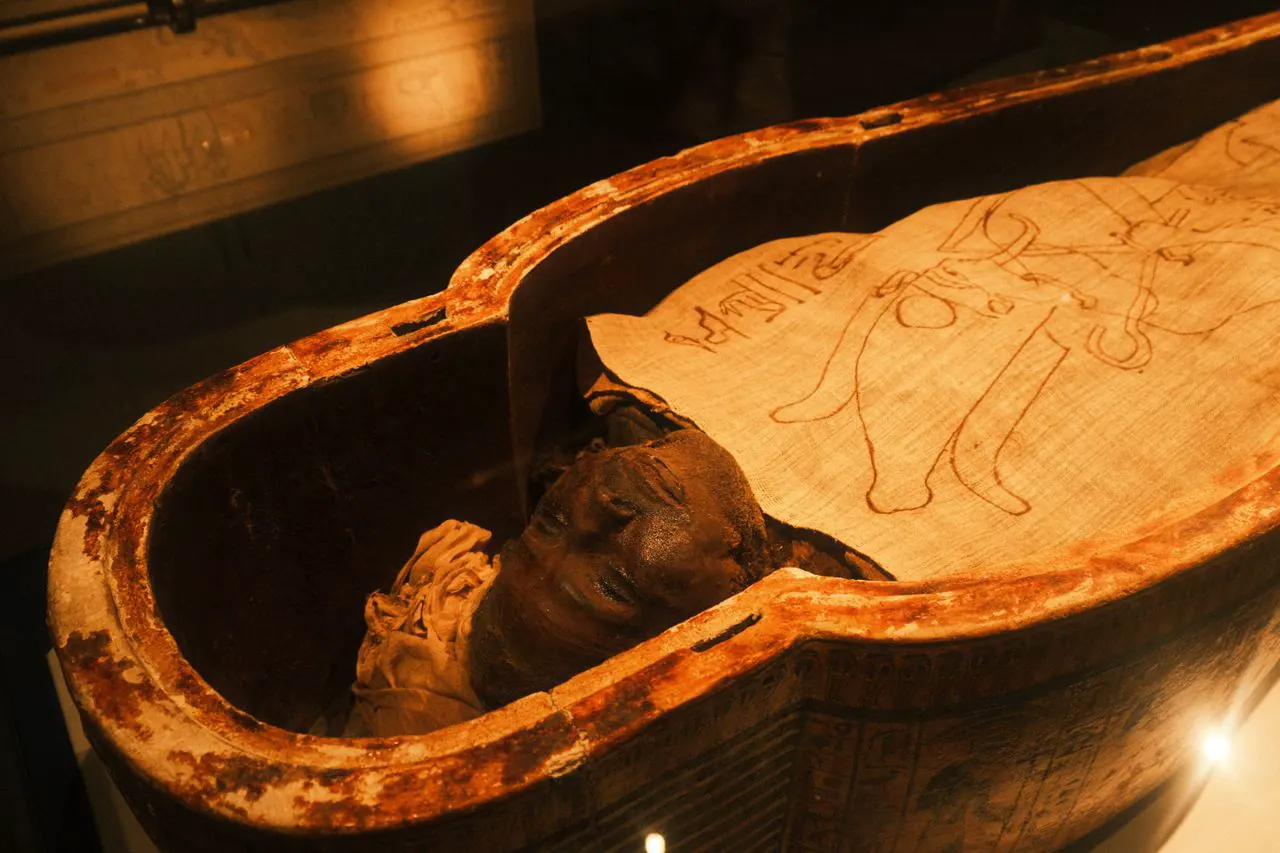
In ancient Egypt, mummification was a specialized procedure that aimed to completely halt the natural decay of a human body, allowing the soul to recognize its physical home in the afterlife. The process was crucial for achieving eternal life, which locals believed was only possible if the physical shell remained perfectly intact. Without a recognizable body, the spirit was doomed to vanish. This elaborate ritual was performed to guarantee the deceased person's spirit could survive forever in the Field of Reeds.
The ancient Egyptians viewed death not as an end, but as a direct transition to a permanent, joyful existence. They dedicated immense agricultural and financial resources to preparing for this final journey. To make this transition, a person's soul needed to safely return to the tomb every single night. If the body decayed into dust, the wandering soul would become lost and cease to exist entirely. This strict religious requirement pushed early scientists to master human anatomy, and embalming quickly became a highly respected scientific profession passed down through generations.
The first step in the Egyptian mummification process involved extracting the internal organs, including the lungs, liver, stomach, and intestines, as these moisture-heavy organs caused the fastest physical decomposition. The brain was carefully pulled out through the nasal cavity using a specialized bronze hook, as priests incorrectly believed it served no biological purpose. They deliberately left the heart inside the chest cavity, considering it the absolute center of human intelligence, emotion, and memory.
The removed organs were washed, dried in salt, and placed into dedicated limestone containers, known as canopic jars, which were believed to be protected by four guardian deities: Hapy, Imsety, Duamutef, and Qebehsenuef. Each jar had a different animal head shape and protected a specific organ. The use of canopic jars and their contents reflects standard New Kingdom funerary practices. This careful preservation of internal organs was a testament to the advanced biological knowledge possessed by early civilization.
The drying phase of the mummification process involved completely burying the empty corpse in a naturally occurring salt compound, known as natron, for exactly forty days to drain all bodily fluids. This harsh chemical mixture prevented bacteria from multiplying and destroying the skin, acting as both an extreme drying agent and a powerful natural disinfectant. Once the tedious drying phase concluded, priests gently washed the body with purified water from the Nile River and massaged the stiff limbs using specific liquids to restore skin flexibility.
The wrapping phase of mummification required hundreds of yards of fresh linen strips to physically support and shape the fragile, dried skeleton. Priests individually wrapped each finger and toe before binding the larger limbs tightly together, reciting continuous prayers to ward off evil spirits. They strategically tucked dozens of magical amulets between the layers of cloth to provide spiritual armor for the dangerous journey ahead. Traditional protective charms hidden inside the linen layers included small carved scarab beetles, the Eye of Horus symbol, and tiny gold columns.
The cost of mummification varied greatly depending on social class, with only the wealthiest pharaohs and elite nobles able to afford the premium, seventy-day mummification process with expensive imported resins. Average farmers and laborers settled for much cheaper, faster alternatives, while the poorest citizens simply buried their dead directly in the scorching desert sand, which naturally created perfectly preserved remains without any expensive human intervention. Even in 2026, modern science continues to study these ancient Egyptian mummies to understand early human diets and diseases.
Key points
- The mummification process took exactly seventy days to complete, with the drying phase using natron salt alone accounting for forty of those days.
- Only the wealthiest citizens could afford the expensive oils and linen bandages required for traditional embalming.
- The removed organs were dried and placed inside four protective canopic jars left next to the sarcophagus.