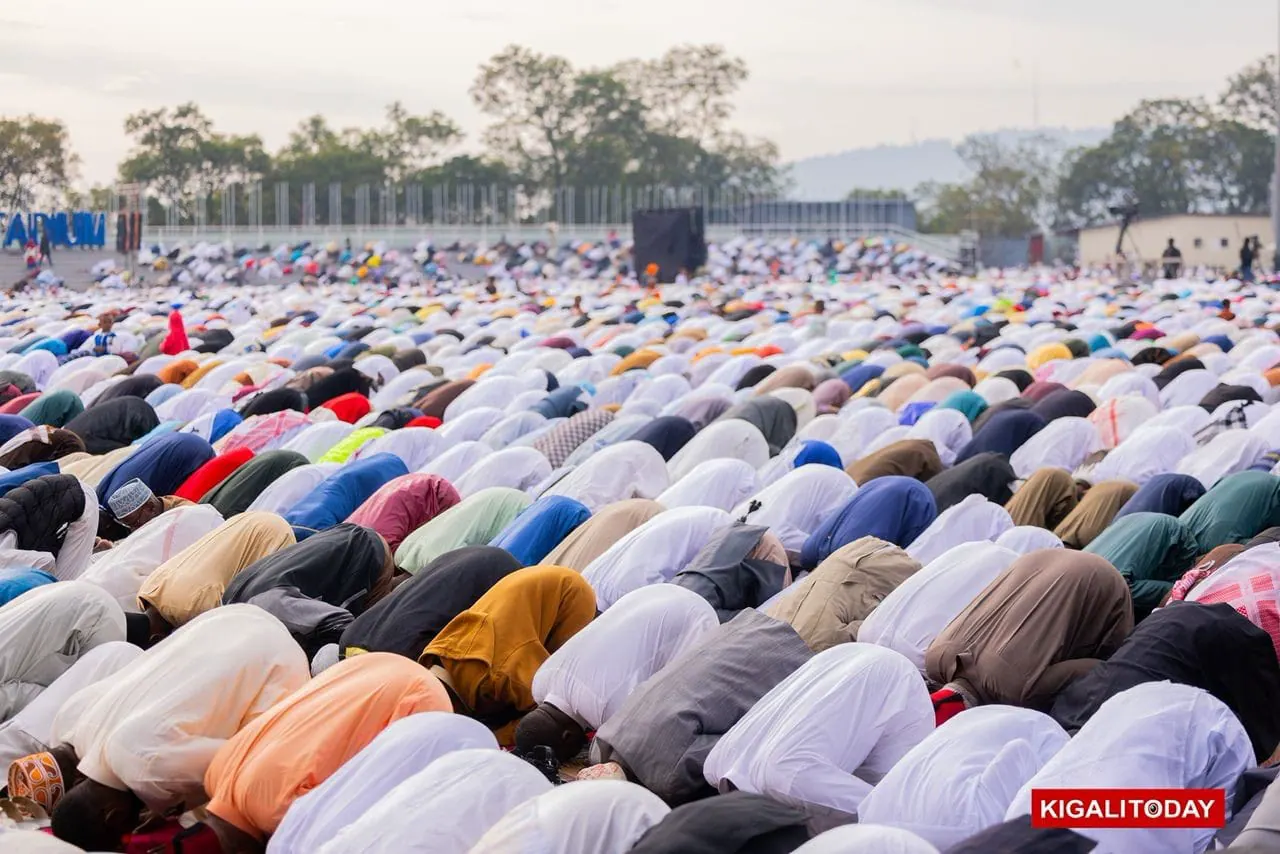
In Islamic communities, individuals are often referred to by titles that signify their knowledge, position, or achievements within the faith. These titles, such as Sheikh, Mufti, Imam, Hadji, and Bilal, are not merely honorifics but reflect specific roles or levels of expertise. Understanding these titles is essential to appreciating the structure and hierarchy within Islamic societies. For instance, the title "Sheikh" is commonly used to address a respected individual due to their knowledge, experience, or leadership within the Muslim community.
The term "Sheikh" is used to denote respect and can refer to a knowledgeable person, a teacher, or a leader within the Islamic community. The criteria for being called Sheikh vary depending on the country and the specific Muslim community. In Rwanda, for example, Sheikh Kassim Nzanahayo explains that being a Sheikh requires reaching a certain level of Islamic knowledge. The hierarchy includes three levels: the first level requires at least a Bachelor's degree in Islamic studies, the second level is comparable to having completed secondary education to the first cycle of university, and the third level is for those who have not completed secondary education but have acquired Islamic knowledge through other means.
The title "Mufti," on the other hand, is reserved for a high-ranking Islamic scholar authorized to provide legal opinions or fatwas based on Islamic law. A Mufti must possess in-depth knowledge of Islamic jurisprudence and is typically the chief Islamic legal officer in a country or region. Not every Islamic leader or teacher can be called a Mufti; they must have achieved a high level of scholarly expertise. In some countries, the Mufti serves as the head of the Islamic legal council.
Another important title is "Imam," usually given to someone who leads congregational prayers, particularly in a mosque. According to Sheikh Nzanahayo, in Rwanda, the title of Imam is bestowed upon leaders who represent others at the district, provincial, and national levels. He emphasizes that one cannot be an Imam without being a Sheikh, as leading prayers requires knowledge and understanding of Islamic teachings.
The criteria for becoming a Mufti include being a well-educated Sheikh with a high level of Islamic knowledge, preferably with a Ph.D. in Islamic studies or a similar qualification. Additionally, a Mufti must be recognized for their good character and moral conduct. Interestingly, Islamic tradition does not provide for a female Mufti, as historical records show that there has never been a female Islamic legal officer.
Other titles commonly used in Islamic communities include "Hadji" or "Hadjat" for those who have completed the Hajj pilgrimage, a fundamental pillar of Islam. This title can be bestowed upon any Muslim who has fulfilled this obligation, regardless of their level of Islamic knowledge. "Bilal," another known term, refers to the person responsible for calling Muslims to prayer, known as the muezzin.
In conclusion, Islamic titles reflect a person's role, knowledge, and achievements within the Muslim community. Understanding these titles and their implications is crucial for fostering respect and cooperation between different communities. As Islamic communities continue to evolve, the significance and usage of these titles may also change, but their importance in defining roles and responsibilities within the faith remains.
Key points
- - The title "Sheikh" denotes respect and can refer to a knowledgeable person, teacher, or leader within the Islamic community, with varying criteria depending on the country and community. - A "Mufti" is a high-ranking Islamic scholar authorized to provide legal opinions based on Islamic law, requiring in-depth knowledge and a high level of scholarly expertise. - Titles like "Hadji" and "Bilal" signify completion of the Hajj pilgrimage and the role of calling Muslims to prayer, respectively.