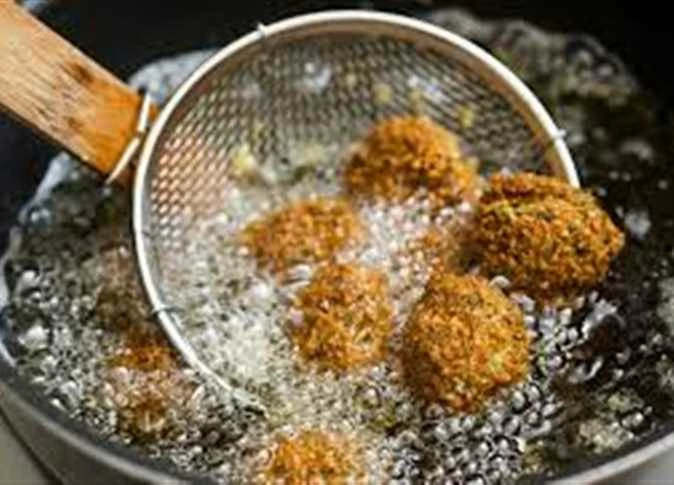
Excessive foaming of oil when frying can be alarming, but it's often a sign of an underlying issue that can be easily addressed. According to experts, one of the primary reasons for this phenomenon is the presence of moisture in the food being fried. When foods with high moisture content, such as vegetables or potatoes, are placed in hot oil, the water turns into steam, causing the oil to foam and bubble excessively.
Another common cause of excessive foaming is the type of coating or batter used on the food. Foods coated with flour, starch, or a mixture of seasonings can release small particles into the oil, which accumulate over time and contribute to foaming. To mitigate this issue, it's essential to remove any excess coating from the food before frying and avoid overcrowding the pan.
The quality and condition of the oil itself also play a significant role in determining the likelihood of excessive foaming. Reusing oil multiple times can affect its quality, especially if it has been exposed to high temperatures or contaminated with food residue. The US Department of Agriculture advises monitoring the oil's color, smell, and performance during frying to determine if it's still suitable for use.
In addition to the food and oil, the cooking vessel and utensils can also contribute to excessive foaming. Failure to properly clean and dry the pan or using tools that are not completely dry can introduce water or cleaning agent residues into the oil, leading to unwanted reactions. Therefore, it's crucial to thoroughly rinse and dry the pan and utensils before use.
To minimize excessive foaming when frying, several precautions can be taken. First, it's essential to dry the food thoroughly before frying, especially if it's been washed or has high moisture content. Gradually adding food to the oil and avoiding overcrowding the pan can also help. Furthermore, filtering the oil after use and storing it in a sealed container can help maintain its quality.
If the oil has become dark, developed an unpleasant odor or taste, or consistently produces excessive foam, it's likely time to dispose of it. According to the US Department of Agriculture, oil that has become cloudy, produces foam, or has an off smell or flavor should be discarded. By being mindful of these factors and taking proactive steps, home cooks can reduce the occurrence of excessive foaming and enjoy safer, more efficient frying.
By understanding the causes of excessive foaming and implementing simple preventive measures, cooks can minimize this issue and achieve better frying results. Whether frying with breadcrumbs, flour, or other coatings, using the right techniques and maintaining good oil quality are essential for producing delicious and safely cooked food.
Key points
- Excessive foaming when frying can be caused by moisture in food, poor oil quality, or residues in the cooking vessel.
- Properly drying food, using clean and dry utensils, and monitoring oil quality can help minimize foaming.
- Discard oil that has become dark, has an unpleasant odor or taste, or consistently produces excessive foam.