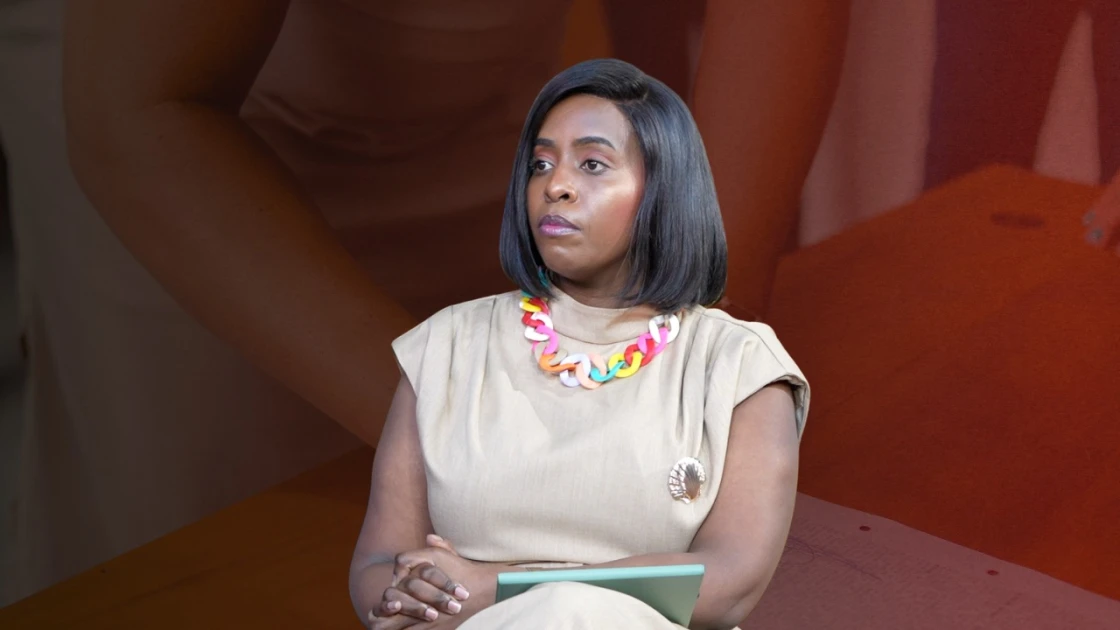
In a recent episode of She Means Business, advocate Dianah Mureithi clarified the often-misunderstood concept of estate planning in Kenya. Mureithi emphasized that being listed as someone's next of kin does not automatically entitle them to inherit their money or property when they pass away. This distinction is crucial for individuals who own property, have savings, investments, and other assets. Understanding the difference between a next of kin and a beneficiary can help prevent disputes and financial uncertainty among loved ones.
A next of kin is typically recognized for administrative or family-related purposes, whereas a beneficiary is a person or entity specifically designated to receive a benefit from an asset, policy, account, will, or other arrangement. Mureithi stressed the importance of understanding this distinction to ensure that one's assets are distributed according to their wishes after death. Effective estate planning is essential to avoid disputes, delays, and financial uncertainty among family members.
Mureithi discussed common mistakes families make when preparing for the distribution of their assets after death. These mistakes include failing to document wishes clearly and assuming that family members will automatically know what to do. Poor planning can lead to unnecessary disputes, delays, and financial uncertainty at an already difficult time. It is essential to have a clear plan in place to ensure that one's assets are distributed according to their wishes.
The conversation also touched on the importance of wills and trusts in estate planning. Mureithi demystified these estate-planning tools, addressing who should consider having them, what they can achieve, and common misconceptions surrounding them. Wills and trusts can help individuals ensure that their assets are distributed according to their wishes and can provide for their loved ones after their passing.
According to Mureithi, wills and trusts are essential estate-planning tools that can help individuals achieve their goals. A will is a document that outlines how an individual's assets should be distributed after their passing, while a trust is a legal arrangement that allows an individual to transfer assets to a trustee, who will manage and distribute them according to the individual's wishes. These tools can help individuals ensure that their assets are distributed efficiently and according to their wishes.
Mureithi emphasized that estate planning is not just for the wealthy; it is essential for anyone who owns property, has savings, investments, and other assets. By having a clear plan in place, individuals can ensure that their assets are distributed according to their wishes and can provide for their loved ones after their passing. This can help prevent disputes and financial uncertainty among family members.
The episode of She Means Business featuring Dianah Mureithi provides a practical guide to planning one's estate. The conversation highlights the importance of understanding the distinction between a next of kin and a beneficiary, as well as the role of wills and trusts in estate planning. By following these guidelines, individuals can ensure that their assets are distributed according to their wishes and can provide for their loved ones after their passing.
Key points
- Understanding the distinction between a next of kin and a beneficiary is crucial for effective estate planning.
- Poor planning can lead to disputes, delays, and financial uncertainty among family members.
- Wills and trusts are essential estate-planning tools that can help individuals achieve their goals.