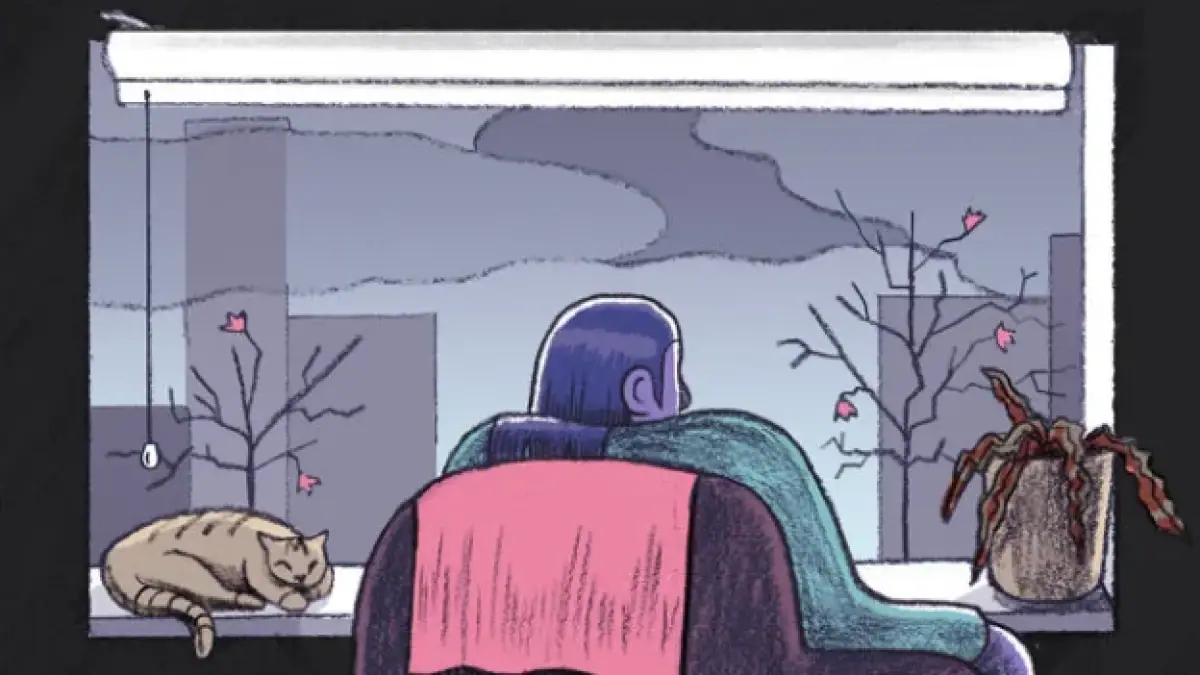
Seasonal affective disorder, or SAD, is a condition that affects millions of people worldwide, particularly those living in the Northern Hemisphere. According to Dr. Norman Rosenthal, a psychiatrist who first coined the term in 1984, SAD typically lasts about 40% of the year and affects approximately 1 in 20 people in the United States. The condition is characterized by feelings of sluggishness, depression, oversleeping, overeating, and weight gain, as well as a lack of interest in activities that one previously enjoyed.
Women are about four times more vulnerable to SAD than men, and the condition can be debilitating for those who experience it. Rosenthal notes that it can be challenging to recognize the symptoms of SAD, as they often creep up gradually over time. He uses the analogy of a frog in a bowl of water that is slowly being heated to illustrate how the symptoms can become more severe without being noticed. Recognizing the symptoms and taking them seriously is crucial, as SAD can have a significant impact on daily life.
One of the primary causes of SAD is a lack of light, particularly during the winter months. Rosenthal recommends using a SAD lamp, which emits a high-intensity light that is absorbed through the eyes. The lamp should be used for 20-30 minutes per day, preferably in the morning, and can help regulate the body's internal clock. Additionally, getting outside and exposing oneself to natural light, even on cloudy days, can also be beneficial.
In addition to light therapy, making healthy lifestyle choices can help alleviate symptoms of SAD. Emily Manoogian, a clinical researcher at the Salk Institute for Biological Studies, notes that people with SAD often have a delayed circadian rhythm, which can be regulated by eating a consistent diet and avoiding food close to bedtime. Exercise is also an essential component of managing SAD, as it provides an environmental cue that helps signal to the internal clocks what time of day it is.
Reducing stress is also critical in managing SAD. Rosenthal identifies stress as one of the three main causes of the condition, along with a genetic component and a lack of light. Engaging in stress-reducing activities, such as meditation or therapy, can help alleviate symptoms. Additionally, making pleasurable plans and decorating one's environment with bright colors and uplifting images can also be beneficial.
While SAD can be a challenging condition to manage, there are many effective treatments available. Rosenthal notes that medication can be an effective option for those who do not respond to lifestyle changes or light therapy. He also emphasizes the importance of being proactive and taking steps to manage symptoms, rather than simply waiting for the condition to pass. By taking a comprehensive approach to managing SAD, individuals can reduce its impact and improve their overall quality of life.
Key points
- Women are about four times more vulnerable to SAD than men.
- SAD typically lasts about 40% of the year and affects approximately 1 in 20 people in the United States.
- Light therapy, healthy lifestyle choices, and stress reduction can help alleviate symptoms of SAD.