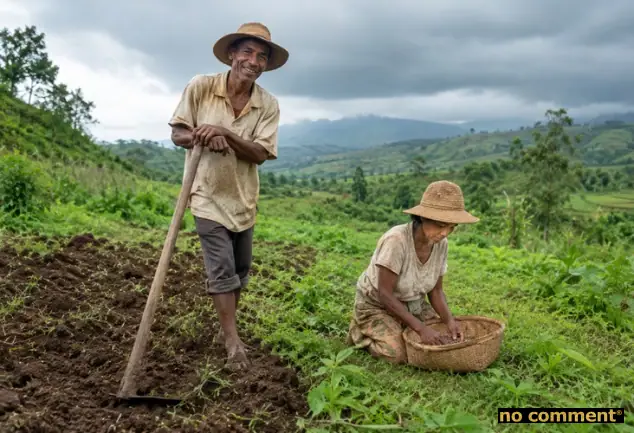
In Madagascar's traditional calendar, Alakarabo is a significant period that spans from October 11 to November 8. This time is associated with the element of water, or "rano," and is traditionally viewed as a period of fertility and abundance. It is considered an ideal time for launching new projects and initiatives, as it is believed to bring favorable outcomes. The calendar is based on a system of twelve vintana, or periods, each with its unique characteristics and influences.
Alakarabo is particularly significant for its association with the new moon. According to tradition, it is essential to initiate important projects during this time to maximize their chances of success. The period is not only suitable for launching new ventures but also for rectifying past mistakes. It is a time for reassessing strategies, adjusting actions, and reorienting projects. This approach highlights the importance of flexibility and adaptability in achieving success.
The traditional Malagasy calendar is deeply connected to everyday life and the natural environment. The cycles of the moon, the seasons, and natural phenomena are all intertwined. During Alakarabo, the ancient people would closely observe the rains and their patterns throughout the lunar cycle. The intensity of the rains during the first fifteen days, leading up to the full moon, was believed to indicate the likelihood of a wet or dry year.
The observations made during Alakarabo demonstrate the resourcefulness and ingenuity of the traditional Malagasy people. By monitoring the natural environment, they were able to make informed decisions about their daily activities and plan for the future. While modern meteorological data has replaced these traditional methods, they remain an essential part of Madagascar's cultural heritage.
Alakarabo is also significant in the context of Madagascar's cultural identity. The period is a reminder of the importance of respecting and honoring traditional practices and customs. As the country continues to modernize and develop, it is essential to preserve and appreciate its rich cultural heritage. By understanding and respecting the traditional calendar, Malagasy people can reconnect with their roots and appreciate the wisdom of their ancestors.
November, the month in which Alakarabo occurs, is also a significant time in Madagascar. As the year draws to a close, many people reflect on their accomplishments and make plans for the future. The period is often marked by a sense of urgency, as individuals and organizations strive to complete outstanding tasks and achieve their goals. The rainy season, which typically begins in November, adds an extra layer of complexity to daily life.
As Madagascar continues to navigate the challenges of modern life, the traditional calendar remains an essential part of its cultural fabric. Alakarabo, in particular, serves as a reminder of the importance of respecting the natural environment, honoring traditional practices, and planning for the future. By embracing and understanding this period, Malagasy people can cultivate a deeper appreciation for their heritage and work towards a more sustainable and prosperous future.
Key points
- The Alakarabo period, spanning from October 11 to November 8, is considered ideal for new beginnings and favorable outcomes in Madagascar's traditional calendar.
Reporting sources
- Alakarabo : Quand il faut y aller · nocomment.mg