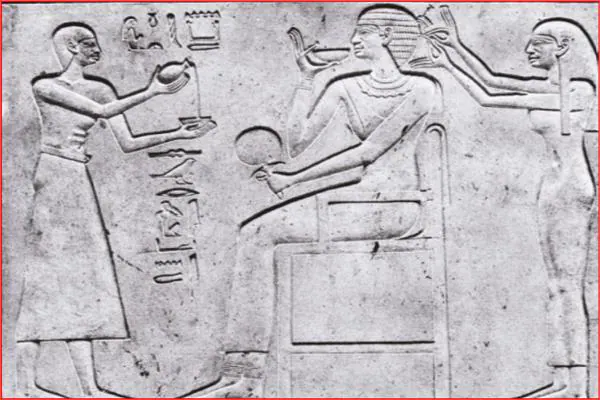
Archaeological findings have shed light on the importance of hair care in ancient Egyptian culture, with evidence of various techniques and products used to maintain and style hair. The use of oils, fats, and other substances was widespread, and hairstyles often reflected social status and occasion. Both men and women took great care in their appearance, with hair playing a crucial role in their overall image. This attention to detail is evident in the numerous artifacts and relics that have survived to this day.
The significance of hair care in ancient Egypt extended beyond the realm of the living, with elaborate processes in place for the deceased. During mummification, hair was carefully styled and secured using fatty substances to maintain its appearance. This meticulous attention to detail was driven by the Egyptian belief in an afterlife, where the deceased would continue to exist in a spiritual realm. As such, the preservation of the body, including its hair, was seen as essential for a successful transition into the afterlife.
A notable example of ancient Egyptian hair care can be seen in the tomb of Queen Kawaït, which is now housed at the Egyptian Museum in Cairo. The artifacts discovered in her tomb provide valuable insights into the daily life and beauty routines of women in ancient Egypt. The exhibits demonstrate a clear emphasis on personal grooming and adornment, highlighting the importance of appearance in ancient Egyptian society.
The use of wigs and hairpieces was also prevalent in ancient Egypt, with both men and women donning artificial hairstyles for various occasions. These early forms of hair enhancement were often used to signify social status, with more elaborate styles reserved for those of higher standing. The craftsmanship involved in creating these early wigs and hairpieces is a testament to the advanced skills and techniques of ancient Egyptian artisans.
The ancient Egyptians' passion for beauty and grooming was not limited to practical purposes, but also held spiritual significance. The elaborate processes surrounding mummification and burial, including the styling of hair, were designed to ensure the deceased person's successful transition into the afterlife. This attention to detail reflects the complex and multifaceted nature of ancient Egyptian culture, which placed great emphasis on both physical and spiritual well-being.
The legacy of ancient Egyptian hair care can be seen in the modern concept of a "hairstylist" or "coiffeur." While the term may be relatively modern, the profession itself has its roots in ancient Egypt, where skilled artisans and beauticians catered to the grooming needs of the elite. The discovery of ancient Egyptian artifacts has provided a unique window into the evolution of beauty and grooming practices, highlighting the ingenuity and creativity of our ancient ancestors.
In conclusion, the study of ancient Egyptian hair care offers a fascinating glimpse into the daily lives and beauty routines of our ancient ancestors. Through the examination of artifacts and relics, we can gain a deeper understanding of the cultural and spiritual significance of hair in ancient Egyptian society. As we continue to explore and learn from these ancient civilizations, we are reminded of the enduring power of beauty and grooming to transcend time and culture.
Key points
- Ancient Egyptian artifacts reveal a sophisticated understanding of hair care and styling.
- Hair care played a crucial role in ancient Egyptian culture, extending beyond life into the afterlife.
- The legacy of ancient Egyptian hair care can be seen in the modern concept of a "hairstylist" or "coiffeur."