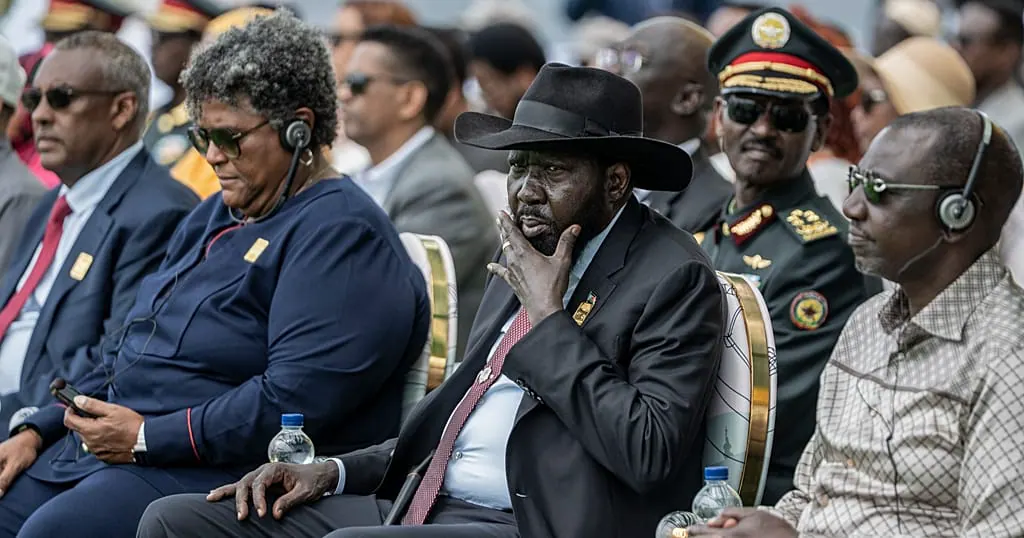
South Sudan's President Salva Kiir has dissolved the country's transitional government, a move that has raised concerns about the country's ability to hold elections in December. The dissolution, announced on Tuesday, comes as the country faces significant challenges, including insecurity and a lack of dialogue among political groups. According to Andrea Mac Mabior, a political analyst, the president's move is in line with the agreed elections timetable, which stipulates that the government should be dissolved three months before the election.
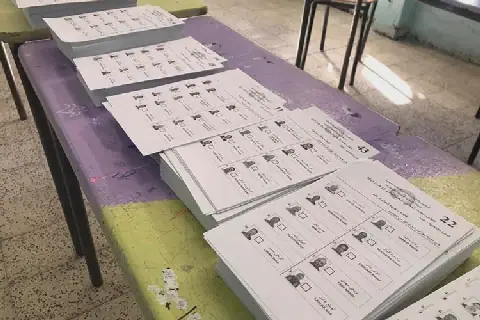
The dissolution of the transitional government means that all vice-presidents, ministers, and local administrators have been removed from office, and the national and state assemblies have been dissolved. However, the organised forces and judiciary will remain fully operational. This development has sparked concerns about the country's preparedness for elections, which have already been postponed twice. The upcoming polls will be the first since South Sudan's independence in 2011.
Insecurity and lack of dialogue are significant obstacles to nationwide polls, according to Mabior. Some areas in South Sudan are not secure, which may lead to a partial election. The analyst also emphasised the need for a political dialogue to address differences and concerns among various opposition groups. The peace agreement signed in 2018 has not been fully implemented, which has contributed to the current uncertainty.
The government has failed to implement several preconditions set out in the 2018 peace agreement, including voter registration, the unification of rival armies, and a complete constitution. Despite these challenges, the National Elections Commission has called on politicians and political parties to help ensure a peaceful electoral process. The commission's appeal comes as the country faces significant hurdles in preparing for the elections.
The dissolution of the transitional government comes a day after changes to the National Elections Act, which allows Kiir to stay in power while removing all vice-presidents appointed under the 2018 peace deal during the election period. The amendments also permit the vote to proceed despite the lack of a constitution or census. Analysts have warned that these changes offer Kiir unfettered control.
Amnesty International has described Kiir's move as a "decisive step" towards a "historic election," but has urged authorities to ensure that a conducive environment exists for people to vote and stand in elections. The organisation emphasises the need for a peaceful and inclusive electoral process. The international community is closely watching the developments in South Sudan, which has been plagued by conflict and instability since its independence.
As the country prepares for the elections, the humanitarian situation remains dire. Over a million people in South Sudan are at risk of losing food aid, according to the World Food Programme. The country is also facing a threat from floods, with the Unity state hoping for assistance from the UN. The elections are seen as a critical step towards stabilising the country, but concerns about preparedness and insecurity remain.
Key points
- The dissolution of the transitional government has raised concerns about South Sudan's ability to hold elections in December.
- Insecurity and lack of dialogue are significant obstacles to nationwide polls.
- The government has failed to implement several preconditions set out in the 2018 peace agreement, including voter registration and the unification of rival armies.