A recent analysis by UN Women has raised concerns that the escalating crisis in the Middle East could push an additional 11.7 million women and girls into food insecurity by the end of 2026. The report, titled "Food security risks of the Middle East escalation for women and girls," examined 28 countries and projected a total rise of 22 million people at risk of food insecurity. Women and girls are expected to account for 53 percent of this increase.
The study highlights that the crisis in the Middle East is driving up living costs, which could have a devastating impact on vulnerable populations. Disruptions around the Strait of Hormuz, a critical waterway for international trade, could lead to increased fuel, fertilizer, and transport costs. This, in turn, may raise the price of producing and moving food, exacerbating the risk of food insecurity. Countries such as South Sudan, Sudan, Haiti, Yemen, and Palestine are flagged as high-risk areas.
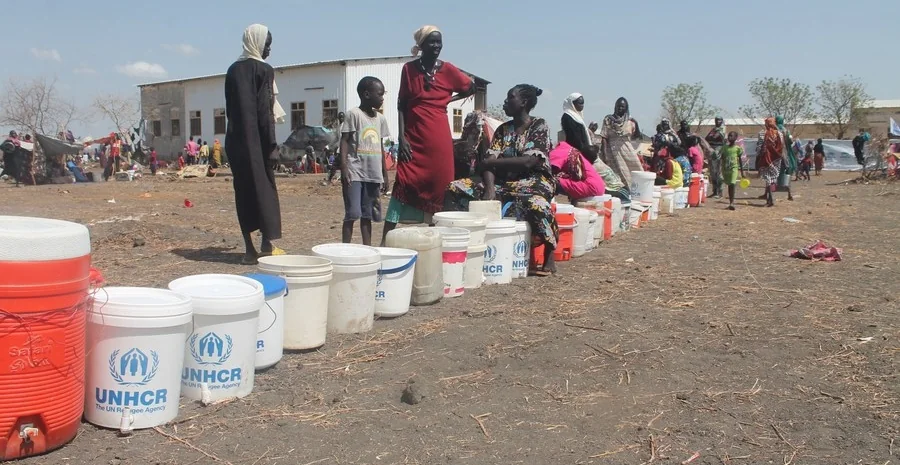
South Sudan is expected to experience the steepest relative surge in food insecurity, with the projected extra women and girls representing about 14 percent of the nation's female population. This translates to roughly one in seven women in the country facing food insecurity. Sudan is also highlighted as a high-risk country, with women and girls expected to make up nearly 56 percent of the additional people at risk.
The analysis warns that higher living costs combined with job losses may force households to cut back on food, with women being disproportionately affected. Women often have limited access to jobs and financial services, making them more vulnerable to the impacts of the crisis. As a result, UN Women is calling for coordinated food and cash assistance, nutrition programs, livelihood support, agricultural inputs, and protection measures.
UN Women emphasizes the need for urgent action to mitigate the effects of the crisis on women and girls. The organization is advocating for targeted support, particularly ahead of planting and harvesting seasons, to help vulnerable populations cope with the rising costs of living. This includes providing food assistance, cash transfers, and other forms of support to help households maintain their livelihoods.
The report's findings underscore the need for a comprehensive and coordinated response to address the growing risk of food insecurity in the Middle East. By providing support to vulnerable populations, particularly women and girls, governments and humanitarian organizations can help mitigate the impacts of the crisis and prevent a further deterioration in food security.
In conclusion, the UN Women's analysis highlights the urgent need for action to address the growing risk of food insecurity in the Middle East. With 11.7 million women and girls at risk of food insecurity by the end of 2026, it is essential that governments, humanitarian organizations, and other stakeholders work together to provide targeted support and mitigate the impacts of the crisis.
Key points
- An additional 11.7 million women and girls could face food insecurity by the end of 2026 due to the ongoing crisis in the Middle East.
- The crisis in the Middle East is driving up living costs, which could have a devastating impact on vulnerable populations, particularly women and girls.
- UN Women is calling for coordinated food and cash assistance, nutrition programs, livelihood support, agricultural inputs, and protection measures to mitigate the effects of the crisis.