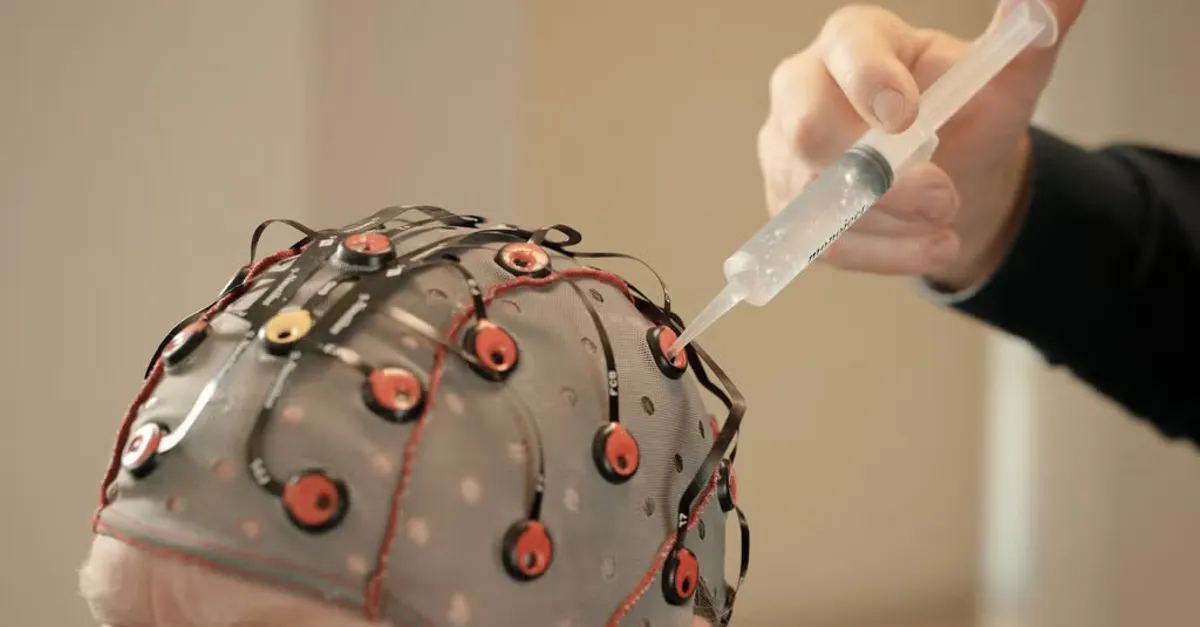
The United Nations has expressed concerns over the rapid development of neural technologies, which may allow governments to access and influence individuals' thoughts. UN Secretary-General António Guterres stated in a report that the misuse of these technologies could lead to arbitrary detention, manipulation of mental states, and violations of privacy. He emphasized that the ability of governments to access and influence brain data could pose a threat to fundamental rights in the future.
The report highlighted the potential risks of using neural technologies in investigations and judicial proceedings. It noted that the use of these technologies to extract information from suspects' brains or predict potential criminal behavior raises deep human rights challenges. Guterres recommended establishing regulatory frameworks that align with international law and classifying thoughts as highly sensitive personal data. He also stressed the need for explicit consent before using neural technologies in criminal justice.
The UN report has been welcomed by human rights officials and experts, who see it as a crucial step in raising awareness about the potential risks of neural technologies. Marcelo Inca, a professor of ethics and neuroscience at the Technical University of Munich, noted that the concept of freedom of thought now extends beyond traditional forms of expression to protecting internal thoughts from disclosure. This development has sparked discussions on the need for laws to prevent the misuse of neural technologies.
Several countries have taken steps to protect brain data. Chile included protection of brain activity in its constitution in 2012, while US states such as California, Colorado, and Montana have enacted laws to safeguard neural data. Similar measures have been proposed in Argentina, Brazil, Colombia, and Mexico. These efforts aim to establish clear rules for the use of neural technologies, based on human rights principles.
However, the use of neural technologies is not limited to governments. Consumer wearable devices that monitor stress, sleep, and focus have become increasingly popular. A 2024 analysis by the non-profit organization NeuroRights found that most companies' privacy policies do not impose significant restrictions on the use of brain data. Over half of the companies reviewed allow explicit sharing of user data with third parties.
While neural technologies have raised concerns, they have also led to breakthroughs in medical treatments. Brain-computer interfaces have enabled patients with severe brain or spinal cord injuries to communicate and control robotic limbs. These advancements highlight the need to balance the benefits of neural technologies with robust protections for fundamental rights.
The UN report has given countries an opportunity to establish clear rules for the use of neural technologies, based on human rights principles. Jeremy Lawrence, spokesperson for the UN Office of the High Commissioner for Human Rights, emphasized the importance of developing regulations before these technologies become commonplace in investigations, courts, and prisons.
Key points
- The UN has warned of the risks of brain-reading technologies, calling for legal controls to protect human rights.
- Several countries have taken steps to protect brain data, including Chile, US states, and countries in Latin America.
- Neural technologies have raised concerns about privacy and human rights, but have also led to breakthroughs in medical treatments.