On September 25, 2026, United Nations Secretary-General António Guterres urged the international community to take immediate action to address the alarming rise in sea levels. He noted that 2024 saw the highest annual increase in sea level on record. This pressing issue was discussed at a high-level meeting attended by world leaders, experts, and stakeholders. The meeting highlighted the severe consequences of rising sea levels, including unprecedented suffering, economic losses, and damage estimated in trillions of dollars.
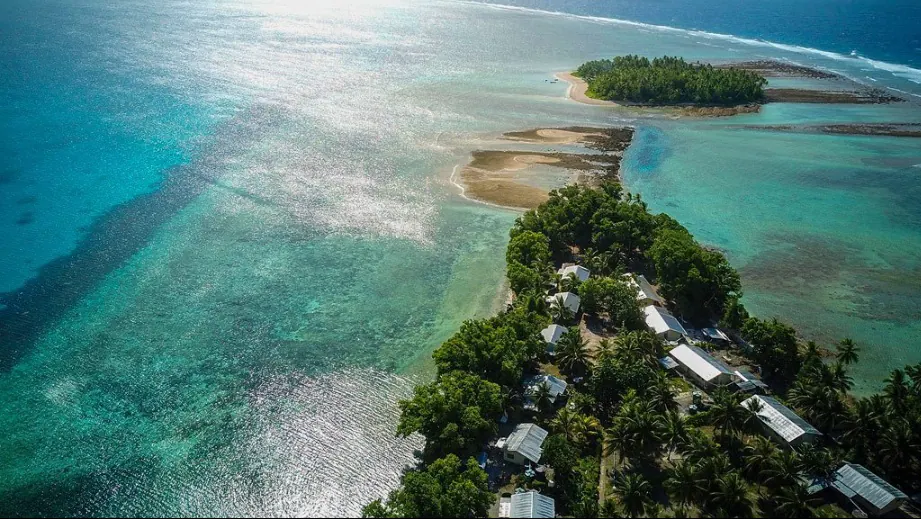
According to Guterres, greenhouse gases, primarily resulting from fossil fuel combustion, are causing the planet's temperature to rise. He emphasized that oceans absorb approximately 90% of this excess heat. The UN Secretary-General stressed the need for collective action to mitigate the effects of climate change. Rising sea levels pose a significant threat to coastal communities, low-lying areas, and small island nations.
In response to this growing concern, representatives of participating countries adopted the "United Nations Declaration on Rising Sea Levels." This concise, action-oriented document focuses on four key areas: knowledge, data, and science; adaptation, financing, and resilience; livelihoods, social, economic, and cultural challenges; and the legal dimensions of rising sea levels. The declaration aims to guide international efforts to address this pressing issue.
The high-level meeting brought together leaders from around the world to discuss the far-reaching implications of rising sea levels. The issue is no longer just an environmental concern but also a social, economic, and cultural one. As sea levels continue to rise, millions of people are at risk of displacement, and the economic consequences will be severe. The international community must work together to develop effective strategies to mitigate these impacts.
Guterres emphasized that the science is clear: human activities are causing the Earth's temperature to rise, and the consequences are dire. He called for increased efforts to reduce greenhouse gas emissions and transition to renewable energy sources. The UN Secretary-General also stressed the importance of supporting vulnerable communities and countries in their efforts to adapt to the changing climate.
The adoption of the UN Declaration on Rising Sea Levels marks a significant step towards addressing this critical issue. The declaration provides a framework for international cooperation and action. It highlights the need for enhanced data collection, scientific research, and knowledge sharing to better understand the impacts of rising sea levels. The document also emphasizes the importance of financing and support for affected communities.
As the international community moves forward, it is essential to prioritize the needs of vulnerable populations and countries. Rising sea levels disproportionately affect the most vulnerable, including small island nations, coastal communities, and low-lying areas. The UN and its partners must continue to support these countries in their efforts to build resilience and adapt to the changing climate.
Key points
- UN Secretary-General António Guterres calls for urgent action to address rising sea levels
- The international community adopts the "United Nations Declaration on Rising Sea Levels" to guide collective action
- Rising sea levels pose significant threats to coastal communities, low-lying areas, and small island nations