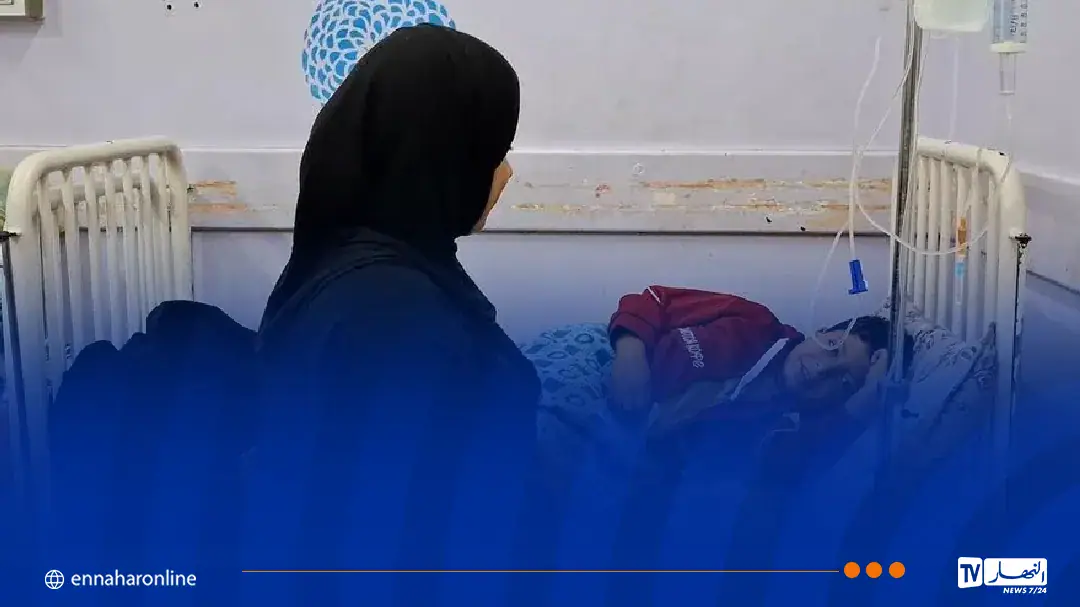
The World Health Organization has issued a warning about a rapid increase in meningitis cases among children in the Gaza Strip since mid-October. This surge comes as environmental conditions continue to deteriorate, with damaged water and sewage networks, and the accumulation of waste and sewage in residential areas and displacement camps. The organization noted that the limited laboratory capacity in the sector makes it difficult to distinguish between viral and bacterial meningitis.
According to the World Health Organization, the current shortage of essential medical supplies, including laboratory equipment, hampers the response to the outbreak. The organization has called for an increase in the flow of medical supplies to Gaza to enhance disease monitoring and response efforts. This appeal comes as the situation on the ground remains challenging, with many areas lacking adequate healthcare services.
A report by the United Nations Office for the Coordination of Humanitarian Affairs (OCHA) revealed that between September 27 and October 31, 294 suspected cases of viral meningitis and 119 suspected cases of bacterial meningitis were recorded. The report also indicated that 68% of the cases were registered in Gaza province, and 77% of over 200 individually registered cases were children under one year old.
Laboratory tests confirmed 10 cases of bacterial meningitis. The OCHA report also highlighted the impact of recent rainfall, which damaged over 40,000 shelters, affecting approximately 46,000 families, or around 226,000 people. The floods also damaged 960 latrines and affected healthcare facilities and service delivery points.
The World Health Organization emphasized that the inability to confirm the type of meningitis due to limited laboratory capacity complicates the understanding of the situation and hampers response efforts. The organization renewed its call for increased support to address the healthcare needs in Gaza, particularly in light of the ongoing shortages of essential medical supplies.
The situation in Gaza remains critical, with many children at risk due to the outbreak. The international community has been urged to provide support to address the healthcare crisis in the region. The United Nations and other humanitarian organizations continue to work to mitigate the impact of the outbreak and provide assistance to those affected.
The recent warning by the World Health Organization underscores the need for sustained support to address the healthcare challenges in Gaza. The situation highlights the importance of ensuring access to essential medical supplies and services, particularly in times of crisis.
Key points
- The World Health Organization warns of a rapid rise in meningitis cases among children in Gaza since mid-October.
- Limited laboratory capacity and shortages of medical supplies hamper response efforts.
- The situation in Gaza remains critical, with many children at risk due to the outbreak.
Reporting sources
- الأمم المتحدة تحذر من ارتفاع حالات التهاب السحايا بين أطفال غزة · Ennahar newspaper