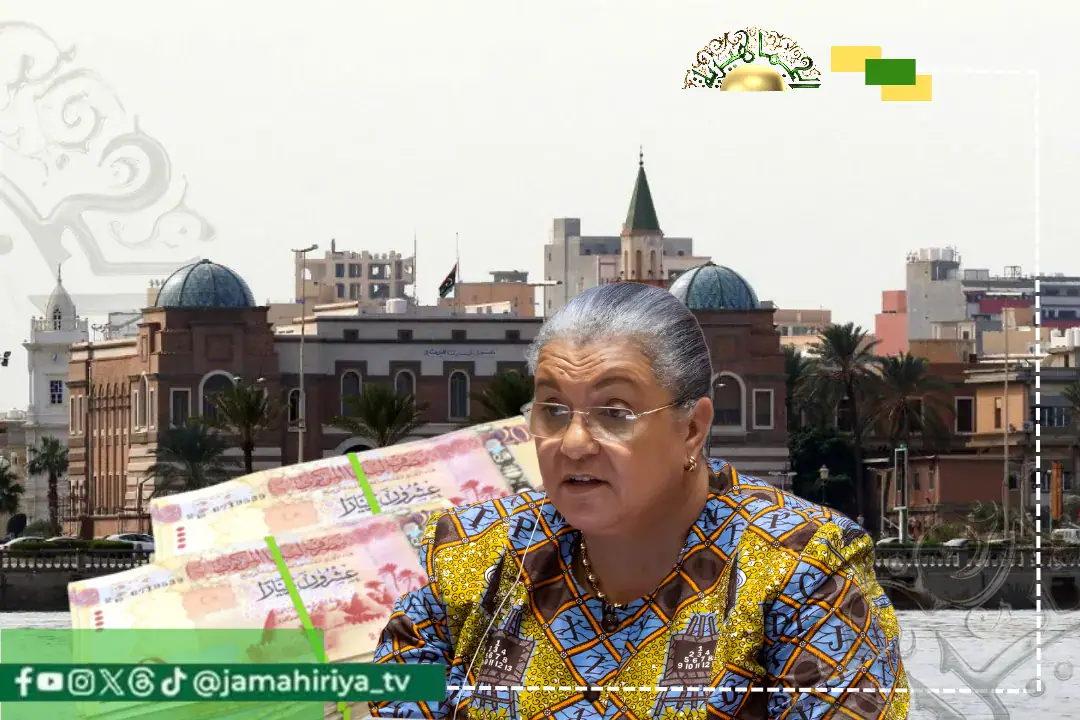
The United Nations has issued a warning about the potential collapse of Libya's financial system by 2027 if the country's political situation does not improve. According to Hanna Tietie, the UN envoy to Libya, the ongoing political stalemate poses significant risks to the country's economy, including the possibility that the state may not be able to pay salaries to public sector employees. This warning comes as Libya continues to grapple with a complex and protracted political crisis.
A Ghanaian diplomat has reportedly expressed concerns that Libya may struggle to meet its salary obligations as early as next year. This warning was conveyed to sources close to the matter, who spoke to the Nova news agency. The diplomat's comments highlight the urgent need for a resolution to the country's political crisis, which has been ongoing for several years. The situation has been exacerbated by a lack of international support for the UN's mediation efforts.
Tietie expressed frustration with the lack of support from major international powers for the UN's mediation efforts in Libya. She noted that the international community's backing for the American initiative to drive the political process forward has been limited. The envoy also highlighted divisions among the permanent members of the UN Security Council regarding the development of more inclusive negotiation mechanisms.
The UN envoy pointed to ongoing disputes over the country's legal and constitutional framework, as well as the delayed elections, as major obstacles to progress. She also warned that the continued presence of transitional authorities without a clear timeline for their departure could further complicate the situation. These issues have contributed to a complex and uncertain political environment in Libya.
A recent meeting discussed the risks associated with the depletion of Libya's resources, fuel smuggling, and weak oversight of public spending. Participants also highlighted the need for genuine reform of the security sector and greater transparency in the management of public finances. The meeting's conclusions emphasized the importance of subjecting public institutions to effective civilian oversight.
The participants called for limiting the influence of armed groups and networks of interest, as well as strengthening the independence of economic and financial institutions, including the Central Bank and the Audit Bureau. They also suggested that financial pressure could be applied to Libyan leaders to encourage them to commit to specific deadlines for renewing the legitimacy of institutions.
The situation in Libya remains precarious, with significant challenges to be addressed in order to prevent a financial collapse and ensure the continued payment of public sector salaries. The international community will be watching closely as the country's leaders work to address these pressing issues and find a path forward.
Key points
- UN envoy Hanna Tietie warns of potential financial collapse in Libya by 2027 if political deadlock persists.
- Libya may struggle to pay public sector salaries as early as next year due to ongoing political crisis.
- International community's support for UN mediation efforts in Libya has been limited.