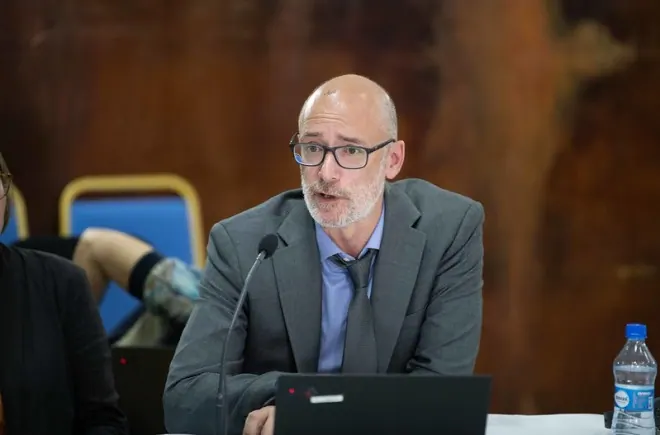
The United Nations' humanitarian coordinator for Somalia, George Conway, has called for an immediate de-escalation of fighting in Baidoa, warning that repeated violence is worsening an already severe humanitarian crisis in Somalia. Conway expressed concern over the escalating violence in the South West State capital, which is taking a heavy toll on civilians, particularly displaced families, women, children, older people, and people with disabilities. He urged all parties to exercise restraint, protect civilians and civilian infrastructure, and allow humanitarian organizations safe and unhindered access to people in need.
The violence in Baidoa has resulted in significant humanitarian needs, with Médecins Sans Frontières (MSF) reporting that clashes on September 28 left at least three people dead and sent 69 wounded people, including five children, to Bay Regional Hospital. MSF also reported that a health facility was severely damaged, an ambulance was looted, and a healthcare worker was killed. UNICEF later reported that children had been killed and injured in the violence and that a health facility had been damaged. The humanitarian situation in Baidoa is further complicated by the presence of large numbers of internally displaced people, many of whom have fled conflict and repeated droughts elsewhere in southern Somalia.
The humanitarian crisis in Baidoa is expected to worsen during the October-to-December Deyr rainy season, with the Food and Agriculture Organization (FAO) warning that strengthening El Niño conditions could bring above-normal rainfall to large parts of central and southern Somalia. This could trigger severe flooding, additional displacement, and disrupt access to food, health care, and humanitarian aid. The latest Integrated Food Security Phase Classification assessment projects that about 26,000 internally displaced people in Baidoa could face catastrophic levels of hunger between October and December.
Across Somalia, about 5.4 million people are projected to face crisis levels of hunger or worse during the final three months of 2026, including nearly 1.5 million at emergency levels. About 1.92 million children under 5 are expected to require treatment for acute malnutrition between July 2026 and June 2027. Conway emphasized that hospitals, health facilities, schools, and other civilian infrastructure must be respected and protected at all times, adding that attacks on medical facilities are prohibited under international humanitarian law.
The violence in Baidoa is part of a months-long political and military confrontation in South West State involving federal and regional forces and fighters loyal to former regional President Abdiaziz Hassan Mohamed Laftagareen. Federal and current South West authorities have accused Laftagareen-aligned forces of cooperating with al-Shabab, while his group denies the allegation and says it is fighting to restore what it considers the region's legitimate administration. The competing claims have not been independently verified.
Conway said humanitarian agencies remained committed to assisting vulnerable communities but warned that continued fighting could undermine those efforts. He called on all parties to ensure the safety and security of humanitarian personnel and humanitarian assets, and to facilitate safe, rapid, and unimpeded humanitarian access throughout Baidoa. The UN humanitarian coordinator emphasized that the protection of civilians must remain paramount and that all parties must take all necessary measures to prevent further violence and protect civilians from harm.
The situation in Baidoa remains critical, with the humanitarian crisis deepening and the risk of famine and displacement increasing. The international community is urging all parties to de-escalate tensions and work towards a peaceful resolution to the conflict. The UN and other humanitarian agencies are working to provide assistance to affected communities, but their efforts are being hindered by the ongoing violence.
Key points
- The UN has called for an immediate halt to fighting in Baidoa, Somalia, citing a severe humanitarian crisis and risk of famine.
- The violence in Baidoa has resulted in significant humanitarian needs, with thousands of people displaced and in need of assistance.
- The humanitarian situation in Baidoa is expected to worsen during the October-to-December Deyr rainy season, with the risk of severe flooding and additional displacement.