The United Nations has marked 26 years since adopting Resolution 1325, which recognizes the essential role of women in preventing conflicts, peace negotiations, and societal reconstruction. Despite this, women remain largely excluded from peace negotiations, and sexual violence is on the rise. According to the UN, women and girls are disproportionately affected by conflicts, with 756 million living within 50 kilometers of an armed conflict, a record high. This has severe consequences, including increased maternal mortality and limited access to education for girls.
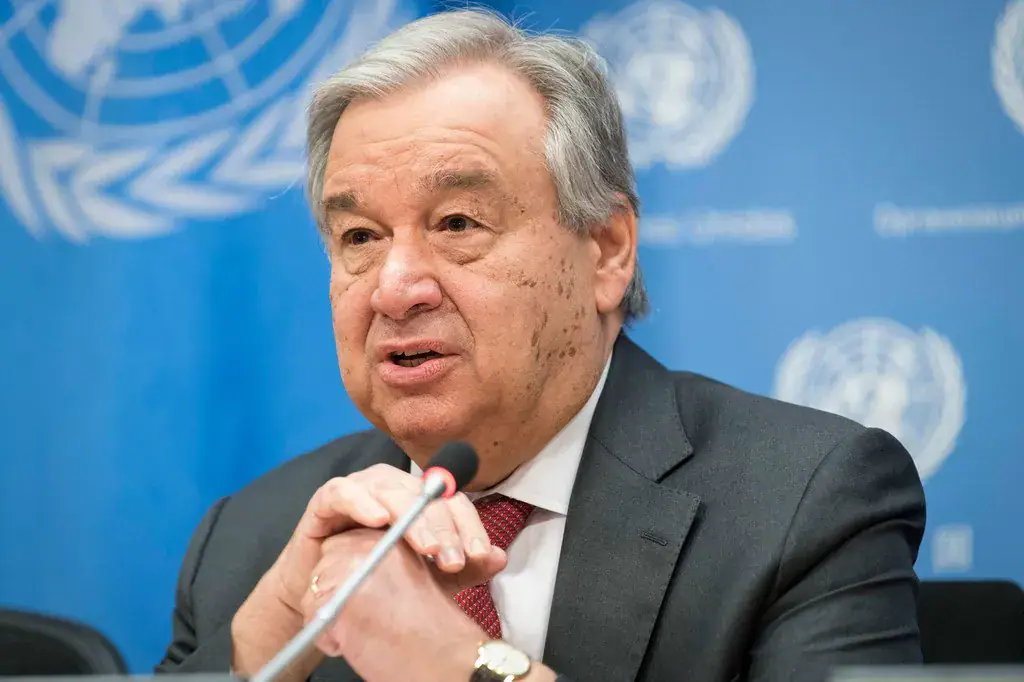
The UN Secretary-General, António Guterres, addressed the Security Council, emphasizing the need for concrete action to translate promises into reality. He highlighted the persistent gap between declarations and actions, urging states to ensure greater participation of women in peace processes, secure sustainable funding for supporting organizations, and combat impunity for perpetrators of violence against women and girls. Guterres stressed that the participation and protection of women must become a reality, rather than just a regularly reaffirmed commitment.
According to Sima Bahous, Executive Director of UN Women, the situation is dire. In 2025, less than 20% of peace agreements mentioned women, girls, gender issues, or sexual violence. Furthermore, none of the 13 ceasefire agreements concluded that year contained substantial provisions on women and girls or prohibited sexual violence. This lack of representation is reflected in the content of agreements, which often fail to address the specific needs and concerns of women and girls.
The consequences of inaction are severe. Women in conflict-affected areas face increased risks of maternal mortality, while girls are more likely to have their access to education disrupted. The situation is particularly concerning in countries such as Myanmar, Sudan, and the Occupied Palestinian Territory, where attacks on densely populated areas have heightened risks for women and girls. The impact of conflicts on women and girls extends beyond direct violence, with long-term effects on their health, education, and economic opportunities.
To address these challenges, Guterres called for action on three fronts. Firstly, he urged states to ensure greater participation of women in peace processes, including in negotiations and decision-making. Secondly, he emphasized the need for sustainable funding for organizations that support women and girls in conflict-affected areas. Finally, he stressed the importance of combating impunity for perpetrators of violence against women and girls, ensuring that those responsible are held accountable.
The UN's efforts to promote women, peace, and security are part of a broader initiative to implement Resolution 1325. The resolution, adopted in 2000, recognizes the critical role of women in preventing conflicts and promoting peace. However, 26 years on, progress has been slow, and the situation remains dire. The UN is now looking to the next 25 years, with a focus on implementing the resolution and promoting the participation and protection of women in conflict-affected areas.
The international community has a critical role to play in promoting women, peace, and security. By taking concrete action to address the challenges faced by women and girls in conflict-affected areas, states can help to promote peace, stability, and sustainable development. As Guterres emphasized, the time for promises is over; the time for action is now. The UN will continue to push for greater progress on women, peace, and security, working with states and civil society to promote the participation and protection of women and girls.
Key points
- The UN has called for greater participation of women in peace processes, sustainable funding for supporting organizations, and action to combat impunity for perpetrators of violence against women and girls.