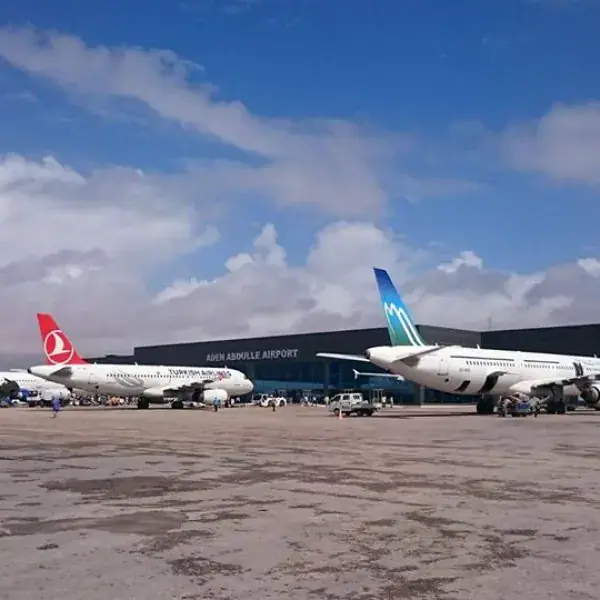
On Sunday, United Nations staff were evacuated from the Halane compound in Mogadishu and flown to Nairobi, Kenya, aboard UN-chartered aircraft. The evacuation occurred a day after the United Nations officially concluded its Assistance Mission in Somalia (UNTMIS). This marked the end of a political mission that had been part of the UN's engagement in Somalia for decades. The UN staff were transported to the Kenyan capital as the organization entered a new phase of its presence in Somalia.
The closure of UNTMIS on October 31 was described as opening a new chapter in Somalia's relationship with the international organization. Greater responsibility is expected to shift toward Somali institutions. The mission's closure followed a two-year transition process aimed at gradually transferring responsibilities to the Somali government and strengthening national ownership of political and institutional affairs. This process was designed to ensure a smooth transition and minimize disruptions to ongoing operations.
The end of UNTMIS does not mean an end to the United Nations' presence in Somalia. Other UN agencies and programs are expected to continue operating in the country, providing humanitarian assistance and supporting development, peacebuilding, and state-building efforts. These agencies will focus on supporting Somali institutions and enhancing the country's capacity to address its challenges. The UN's continued presence will be critical in supporting Somalia's ongoing recovery and development efforts.
The Halane compound, located near Mogadishu's international airport, has served as a major base for international personnel and diplomatic operations in Somalia. The reported evacuation has raised questions about the future arrangements for international staff based in the compound following the mission's closure. The compound has been a key location for international operations in Somalia, and its future use will be closely watched.
It was not immediately clear how many UN personnel were transported to Nairobi or whether the movement was part of a previously planned relocation linked to the mission's transition. The United Nations had maintained a political and peacebuilding presence in Somalia for more than three decades through successive missions. These missions have supported efforts to restore state institutions, promote political reconciliation, and strengthen security in the country.
The closure of UNTMIS marks a significant shift in the UN's engagement with Somalia. The organization is expected to maintain its broader partnership with Somalia through its remaining agencies and programs. These programs will continue to provide critical support to Somalia, focusing on development, peacebuilding, and humanitarian assistance. The UN's continued engagement will be essential in supporting Somalia's ongoing recovery and development efforts.
The future of international staff based in the Halane compound remains uncertain. The evacuation of UN staff to Nairobi has raised questions about the future arrangements for these personnel. The UN's continued presence in Somalia will likely involve a reduced footprint, with a greater emphasis on supporting Somali institutions and agencies. The transition will require careful planning and coordination to ensure a smooth handover of responsibilities.
Key points
- The UNTMIS mission was closed on October 31, marking a significant shift in the UN's engagement with Somalia.
- The evacuation of UN staff from Mogadishu to Nairobi is part of a new phase of the UN's presence in Somalia.
- Other UN agencies and programs will continue operating in Somalia, providing humanitarian assistance and supporting development efforts.