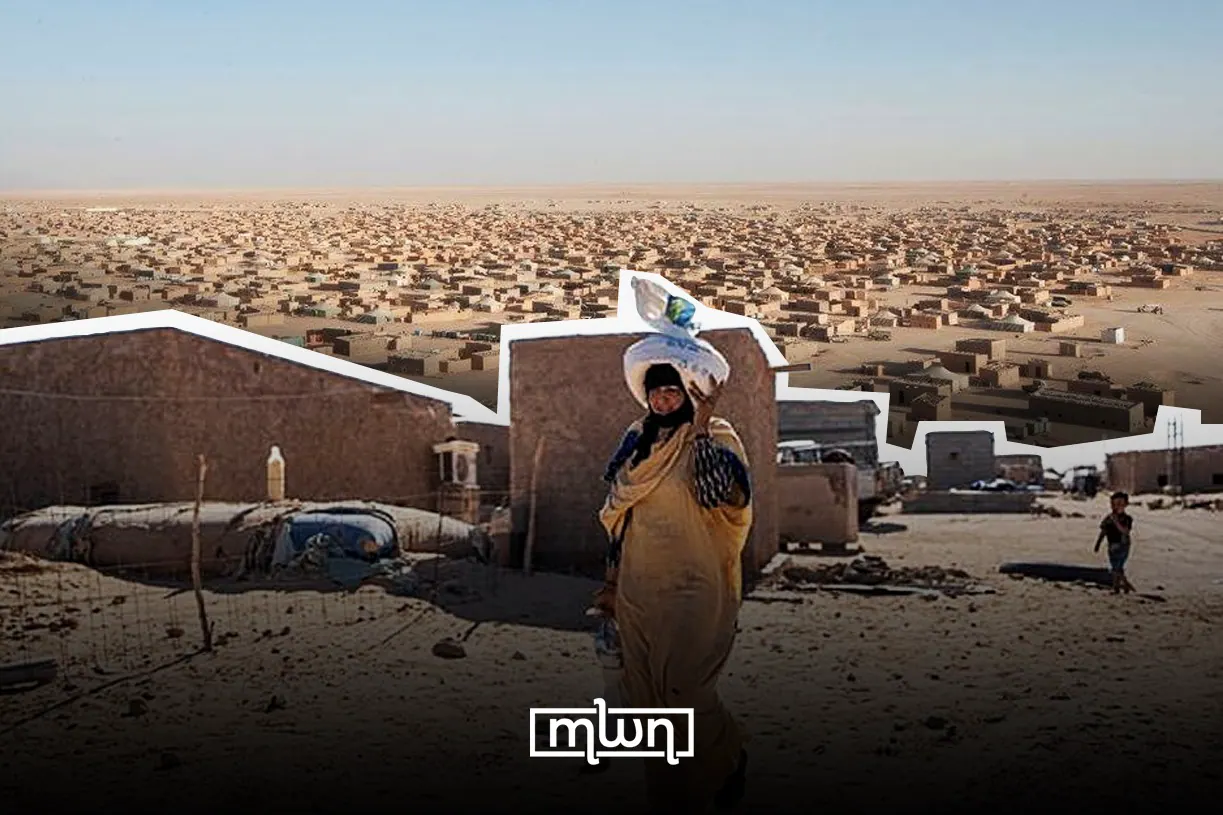
Several speakers before the UN General Assembly's Fourth Committee have raised concerns over the recruitment and military training of children in the Tindouf camps, warning that limited opportunities for young people could leave them vulnerable to exploitation and extremist groups. The issue of child recruitment and military training in the camps has been repeatedly raised at UN bodies and by international non-governmental organizations.
Sherry Erb of Oasis Ministries cited a Washington Post investigation published in April 2025, which reported that Syrian authorities detained hundreds of Polisario members and child soldiers following the fall of Bashar al-Assad's government. Some of those detained had come from the Tindouf camps, showing the long-term consequences of ideological radicalization in the camps. Erb also cited the case of Adnan Abu Walid al-Sahrawi, a former child soldier who became the leader of the Islamic State in the Greater Sahara.
Joyce Flynn of Safety and Security Instructional Services said children in the camps had grown up in an environment of isolation, restrictions on movement, and uncertainty about their future. Citing assessments by humanitarian organizations, Flynn noted that the education system in the camps faced several shortcomings, limiting young people's educational and professional prospects. Stable conditions and access to quality education would be difficult to achieve under the control of an armed movement.
Nancy Huff of Teach the Children International raised concerns over ideological indoctrination in the camps, citing testimonies alleging that children had been taken outside the camps and subjected to military training. Some families reported that children were sent to Cuba under the stated purpose of receiving an education but were instead exposed to agricultural work, schooling, and military training, including training involving explosives.
A draft report by UN Secretary-General António Guterres highlighted the worsening humanitarian situation in the Tindouf camps, with rising rates of acute malnutrition, stunting, and anemia among children. Around 30,000 children under five remained at risk due to disruptions to routine immunization programs. Food insecurity affects an estimated 80% of the camp population, according to the report.
The UN report also pointed to weaknesses in the camps' education system, which relies heavily on refugee volunteer teachers. Another longstanding issue is the absence of a comprehensive registration of the camp population. UN agencies continue to use an estimated figure of 90,000 vulnerable Sahrawi refugees for humanitarian planning, but the figure is not based on a formal census.
The UNHCR has also raised concerns over the lack of registration, with UN High Commissioner for Refugees Barham Salih describing the situation in the camps as "intolerable" and "unsustainable" in September. He pointed to limited livelihood opportunities, poor school infrastructure, dropout rates, and chronic underfunding.
Key points
- The UN report highlights the worsening humanitarian situation in the Tindouf camps.
- Child recruitment and military training in the camps is a major concern.
- The lack of comprehensive registration of the camp population complicates humanitarian planning.