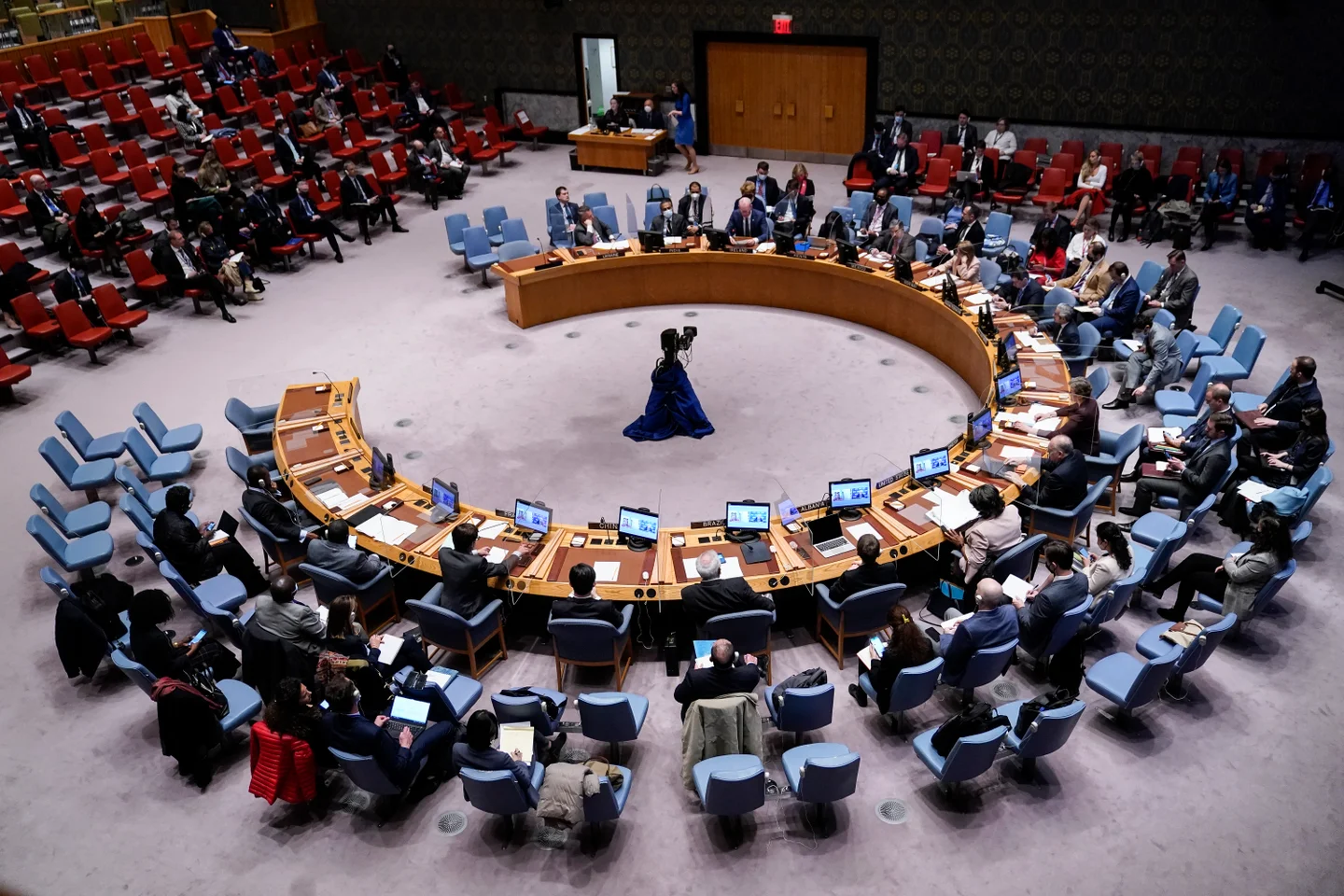
The UN Security Council is set to hold two distinct meetings on the Sahara issue, one on Wednesday and another on Thursday. The first meeting will bring together countries contributing troops to the UN Mission for the Referendum in the Sahara, while the second will be a closed consultation on the political aspect of the issue. The meetings will discuss the functioning of the mission and the current situation on the ground.
On October 7, the Security Council will hear from Alexander Ivanko, the Special Representative of the UN Secretary-General and head of the mission. He will provide an update on the conditions on the ground, the security situation, and operational constraints. This will be followed by a meeting on October 8, which will bring together Ivanko and Staffan de Mistura, the Personal Envoy of the Secretary-General. They will discuss the state of consultations with parties involved, particularly on whether differences have narrowed or if positions remain far apart.
The two meetings mark the beginning of negotiations on a resolution to renew the mandate of the UN mission. The current mandate expires on October 31, and the United States, which is leading the negotiations, will determine the direction of the project. Key issues to be discussed include the duration of the mandate, the place of the Moroccan autonomy initiative in the text, and the treatment of the framework set by Resolution 2797 adopted on October 31, 2025.
Morocco is approaching these negotiations with a consolidated diplomatic capital. Recently, states in the Gulf Cooperation Council reaffirmed their support for Morocco's sovereignty over the Sahara and the autonomy plan. The US representative, Mike Waltz, has also publicly urged the Polisario Front to accept the plan. This development comes as a significant boost to Morocco's position on the issue.
On the other side, Algerian President Abdelmadjid Tebboune has made a statement that marks a shift in tone, although without a formal commitment. He said that Algeria is "not more Sahrawi than the Sahrawis" and would accept the decision that the Sahrawis accept. This statement has been seen as an attempt to find a middle ground, although the implications are not yet clear.
The negotiations are taking place against a backdrop of ongoing efforts to find a solution to the Sahara issue. The UN mission has been working to organize a referendum, but progress has been slow. The Security Council's discussions will focus on finding a way forward, including the possibility of a renewed mandate for the mission.
The outcome of the negotiations is uncertain, but it is clear that the issue remains a complex and contentious one. The involvement of key players, including the US, Morocco, Algeria, and the Polisario Front, will be crucial in determining the direction of the negotiations. The Security Council's decision will have significant implications for the future of the Sahara region.
Key points
- The UN Security Council will discuss the Sahara issue in two meetings, one with troop-contributing countries and another on the political aspect.
- Morocco's diplomatic capital has been boosted by recent statements of support from Gulf states and the US.
- The negotiations will focus on finding a way forward, including the possibility of a renewed mandate for the UN mission.