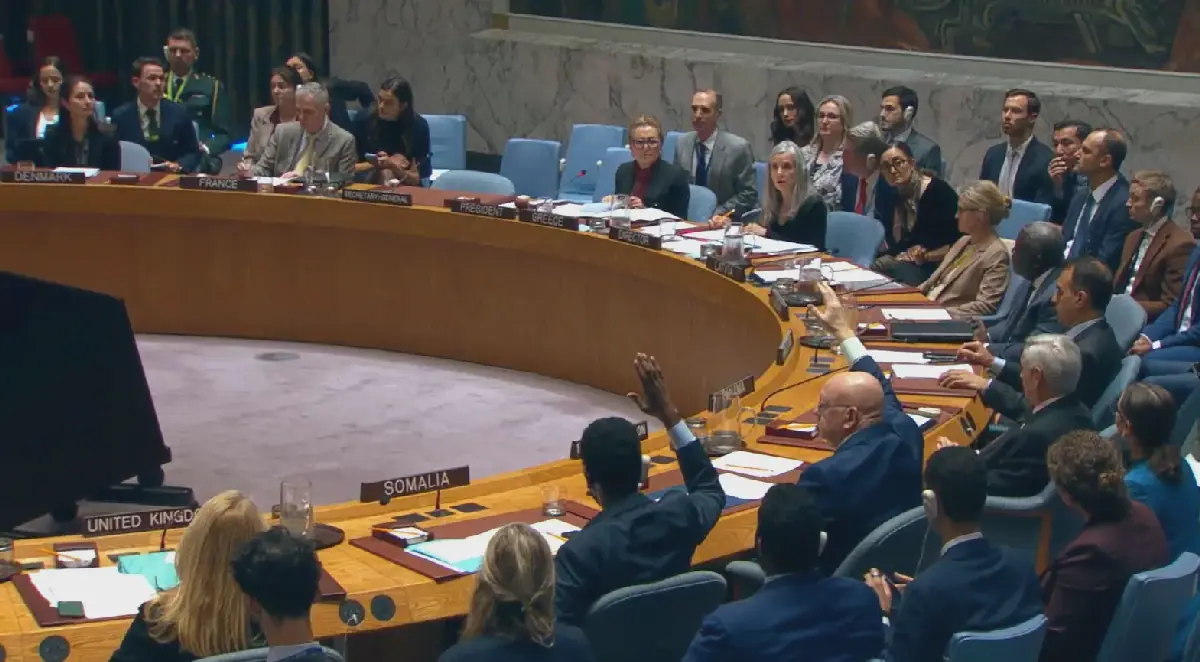
The UN Security Council has failed to adopt a resolution on the Western Sahara mission, MINORSO, as the US and Russian proposals were vetoed. On October 30, 2026, the US proposal to extend the mission's mandate until October 31, 2027, received 11 votes in favor, but was vetoed by Russia. The Russian alternative proposal, which suggested a simple one-year extension without changes, garnered only three votes in favor and was opposed by the US, with 11 members abstaining.
The US proposal aimed to extend the mission's mandate, rename it to "MINOSO", and make Morocco's autonomy initiative the sole basis for political negotiations. It also requested the Secretary-General to provide proposals on the future structure of the mission. In contrast, the Russian proposal was limited to extending the mandate without changing the name, tasks, or political framework. The failure to adopt a resolution has created uncertainty about the legal basis for the mission's operations.
The expiration of MINORSO's mandate on October 31, 2026, has created a legal ambiguity surrounding the basis for the mission's operations, particularly in monitoring the ceasefire, demining, and conducting patrols. However, this does not imply an immediate withdrawal or automatic dismantling of the mission. The previous resolution 2797 (2025) made Morocco's autonomy initiative the basis for negotiations and did not terminate the political process led by the Personal Envoy, Staffan de Mistura.
In UN practice, the Secretary-General can maintain a limited and temporary presence of the mission pending a diplomatic solution. Nevertheless, prolonging this situation may lead to reduced operations or increased field risks, as previous reports warned that the absence of the mission could raise escalation probabilities. The Security Council is now faced with several options to address the situation.
The Security Council is considering several paths forward, including a short-term extension or interim arrangement, a new proposal, continued limited operations under the Secretary-General's authority, or diplomatic pressure and strategic review. A six-month extension has been suggested to allow time for negotiations without immediate radical changes. Alternatively, a new proposal could be introduced after additional consultations, potentially including concessions on structural adjustments.
If a swift decision is not reached, the mission may continue with essential operations under an interim administrative decision, with a gradual reduction of the military component if the uncertainty persists. The Security Council may also revisit the strategic review requested by the previous resolution, focusing on progress in direct negotiations between parties held in 2026.
The situation in Western Sahara remains uncertain, with the fate of MINORSO and the prospects for a peaceful resolution hanging in the balance. The international community is closely watching the developments, as the region's stability and the well-being of its people depend on a swift and effective response from the UN.
Key points
- The UN Security Council failed to adopt a resolution on the Western Sahara mission, MINORSO, due to vetoes from Russia and the US.
- The expiration of MINORSO's mandate has created uncertainty about the legal basis for its operations.
- The Security Council is considering several options, including a short-term extension, a new proposal, or continued limited operations under the Secretary-General's authority.