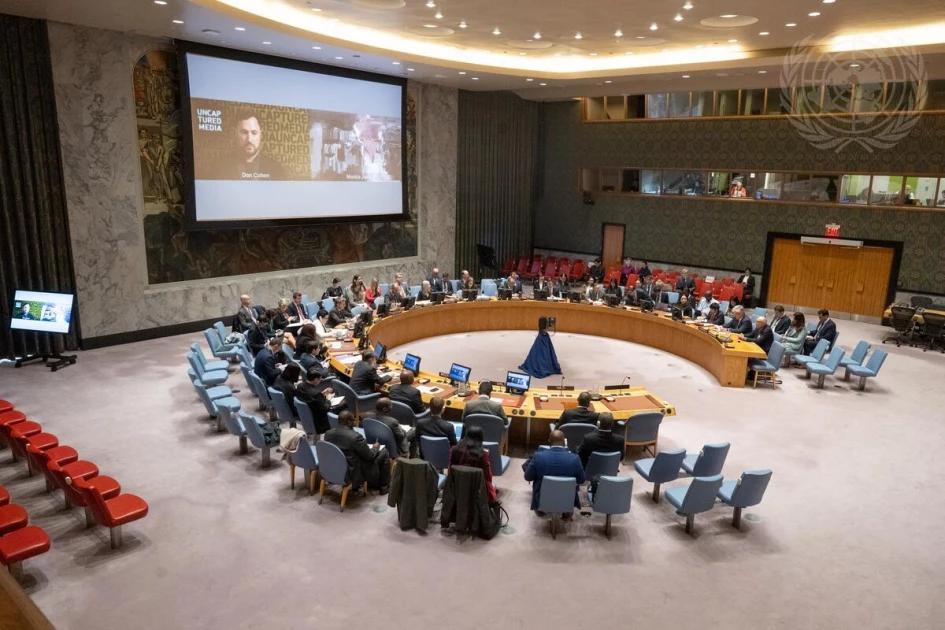
The United Nations Security Council has approved a six-month extension of the mandate for a gang suppression force deployed to combat violent criminal syndicates in Haiti. The force, known as the Gang Suppression Force (GSF), was first authorized by the Security Council last year. Haiti has been overwhelmed by deadly gang violence in recent years, with large areas of the Caribbean country controlled by heavily armed groups that local authorities have been powerless to subdue.
The GSF was expected to ramp up to 5,500 personnel and 50 civilian staff between April and October, but it remains short of that goal. As of July, the force comprised fewer than 1,000 personnel from Chad, Mongolia, Jamaica, Guatemala, El Salvador, and Sri Lanka. The force replaced the Kenya-led Multinational Security Support mission, which was seen as under-equipped and underfunded. The GSF has been facing off against heavily armed gangs that have been using sophisticated tactics and weaponry to target Haitian authorities.
The Security Council voted 12-0 in favor of the extension, with three abstentions from Russia, China, and Pakistan. The US co-sponsored the resolution, with US Ambassador to the UN Mike Waltz stating that the effort was designed to help Haitians take back control of their own security and future. The resolution emphasized the importance of ensuring security conditions conducive to holding free and fair elections in Haiti, which are scheduled to take place on December 13.
Haiti's Prime Minister Alix Didier Fils-Aime's office said the extension was an important step forward in continuing efforts to restore security in Haiti. The GSF has been involved in clashes with gang members, including a firefight in the Artibonite region on Monday in which three gunmen were killed. The force said none of its members were injured in the incident, but gang members later attacked civilians in the area.
The situation in Haiti is dire, with gangs extensively recruiting children and using them in violent activities. The resolution noted with grave concern the significant proportion of gang members who are children, as a result of systematic recruitment efforts, including coercive and forced tactics. The UN has expressed concern about the humanitarian situation in Haiti, where gang violence has displaced thousands of people and exacerbated poverty and hunger.
The GSF is part of a broader effort to support Haiti's recovery and stability. The country is preparing to hold its first elections in a decade, as well as a constitutional referendum, on December 13. The international community has been working to support Haiti's efforts to restore security and stability, including through the deployment of the GSF.
The extension of the GSF's mandate is seen as a critical step in supporting Haiti's efforts to take control of its security and future. The US and other countries have expressed support for the Haitian people and their efforts to overcome violence and instability.
Key points
- The UN Security Council has extended the mandate of Haiti's gang suppression force by 6 months until March 31, 2027.
- The force currently comprises fewer than 1,000 personnel from several countries, and was expected to ramp up to 5,500 personnel and 50 civilian staff.
- Haiti is set to hold its first elections in a decade and a constitutional referendum on December 13, and the international community is working to support the country's efforts to restore security and stability.