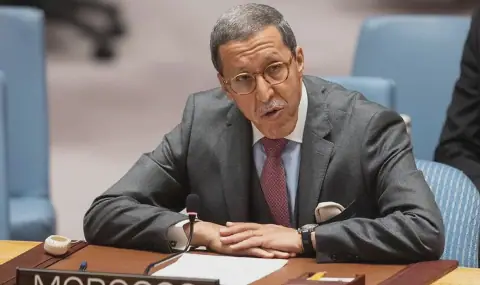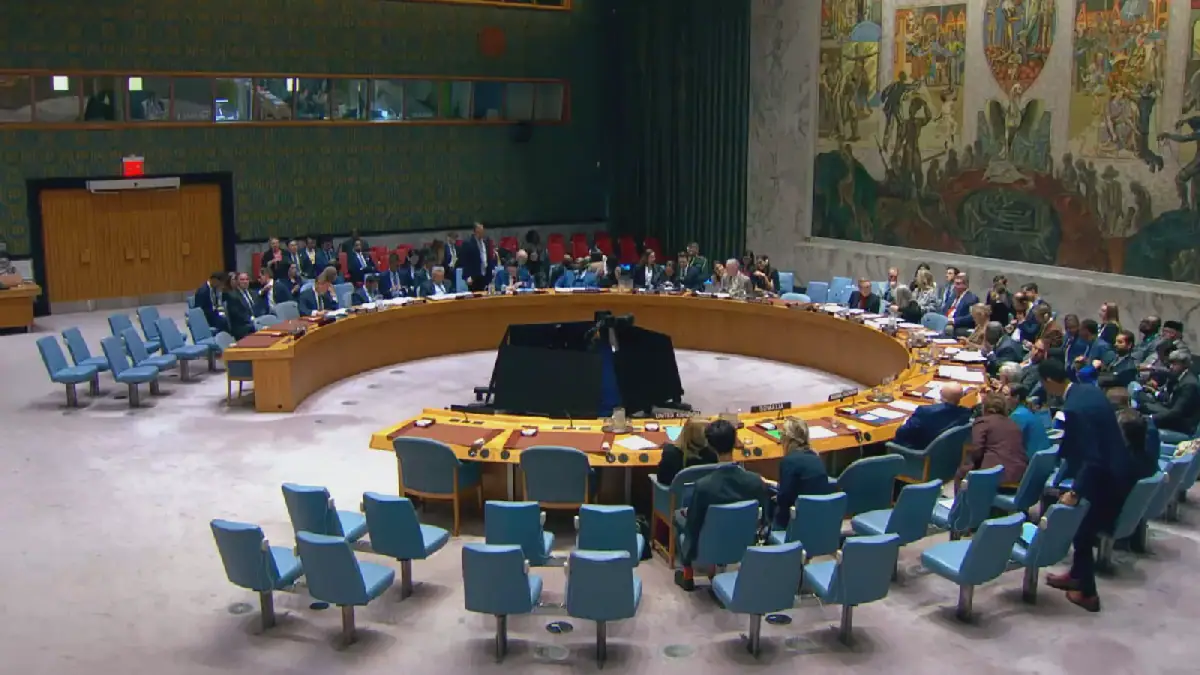
The UN Security Council has adopted a resolution extending the mandate of the United Nations Support Mission in Libya (UNSMIL) until October 31, 2027. The resolution, proposed by the United Kingdom, also renewed support for the Special Representative of the Secretary-General and head of the mission, Hanna Tetteh. The UNSMIL is a comprehensive political mission that aims to support the Libyan people in their transition to peace and stability.
The resolution emphasizes the need for a comprehensive Libyan-led political process to end the transitional phase, leading to free, fair, and transparent presidential and parliamentary elections within 24 months. It also calls for the unification of national institutions, including military, security, and judicial institutions, and the establishment of a unified executive authority. The resolution welcomes the agreement reached by Libyan parties within the 4+4 framework on August 30, 2026, which aims to pave the way for elections.
The resolution condemns the use of drones to attack civilian infrastructure and populated areas, an apparent reference to the "disruption cell" issue. It stresses that there is no military solution to the Libyan crisis and calls on all parties to refrain from violence and unilateral actions that could escalate tensions or put civilians at risk. The resolution also urges the acceleration of security sector reform, the unification of military and security institutions, and support for the joint military committee (5+5).
The resolution emphasizes that Libya's oil resources belong to all Libyans and must remain under the exclusive control of the National Oil Corporation, free from politicization or interference. It calls for the transparent, fair, and accountable management of oil and gas revenues, with effective Libyan oversight. The resolution also welcomes the signing of a unified spending framework on April 11, 2026, as a step towards enhancing economic coordination and financial stability.
The resolution expresses concern over the deterioration of public services, including frequent electricity outages, fuel shortages, and water scarcity. It also raises concerns about the situation of internally displaced persons, migrants, and refugees, including arbitrary detention, ill-treatment, and human trafficking. The resolution calls for the protection of women, children, and human rights defenders and urges the Libyan authorities to take steps to address these issues.
The resolution stresses the importance of combating impunity for international humanitarian law and human rights violations, including sexual violence and violations against children. It calls for the promotion of national reconciliation, transitional justice, and judicial independence. The resolution also renews the call for all states to respect Libya's sovereignty, independence, and territorial integrity and to refrain from external interference that could fuel the conflict.
The resolution reiterates the Security Council's commitment to supporting the Libyan people in their pursuit of peace, stability, and prosperity. It emphasizes the need for all parties to work towards a peaceful and inclusive resolution to the crisis, and to prioritize the interests of the Libyan people. The resolution also recalls the measures imposed by resolution 1970 (2011) and subsequent resolutions on individuals and entities involved in activities that threaten peace, stability, and security in Libya.
Key points
- The UN Security Council has extended the mandate of its Libya support mission until October 31, 2027.
- The resolution condemns the use of drones to attack civilian infrastructure and populated areas.
- The resolution emphasizes the need for a comprehensive Libyan-led political process to end the transitional phase and hold free and fair elections.