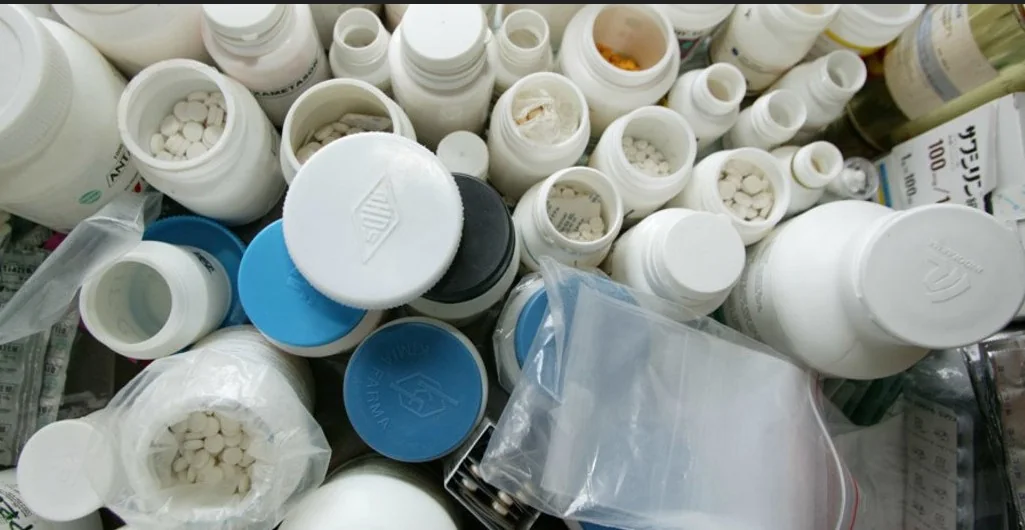
A recent UN-backed study has shed light on the large-scale trafficking of medical products in Central Africa, revealing that over 251 tonnes of falsified medicines were seized between 2020 and 2025. The joint report by the UN Office on Drugs and Crime (UNODC), World Health Organization (WHO), and the Economic Community of Central African States (CEMAC) highlights the breadth of the illicit supply chain, which includes antibiotics, antimalarials, and psychoactive drugs such as tramadol and pregabalin.
The trafficking of medical products has severe consequences for patients in Central Africa. Falsified and substandard medicines have caused treatment failures, poisoning, and preventable deaths. In 2023, 12 children died in Cameroon after consuming contaminated paediatric syrup, underscoring the gravity of the situation. The report warns that the trade in falsified medicines not only endangers patients but also fuels criminal economies.
The report reveals that armed groups in the region exploit the trade in medical products by looting health facilities, reselling medicines, or taxing shipments that pass through territories they control. This has turned medical products into a revenue source for conflict financing, perpetuating violence and instability in the region. Trafficking methods include diversion from legitimate supply chains, distribution by unauthorised actors, and illicit imports.
The report highlights that most diverted products originate from major exporters in Asia and Europe, while some falsified medicines are produced in clandestine labs within CEMAC states and neighbouring countries. The complex and multifaceted nature of the trafficking network poses significant challenges to efforts aimed at curbing the trade.
Regional actors have begun addressing the issue of medical product trafficking. CEMAC adopted a Common Pharmaceutical Policy in 2013, and the African Union launched the African Medicines Agency in 2019. CEMAC is currently drafting a regional action plan and a strategy against transnational organised crime. Sylvie Bertrand, UNODC regional representative for West and Central Africa, emphasised the need for a coordinated regional response to tackle the issue.
The report urges an integrated approach that combines public health, criminal justice, and international cooperation to effectively address the trade in falsified medicines. World Health Organization’s Rutendo Kuwana stressed that substandard medicines remain a major concern for WHO and pledged continued support for strengthening surveillance systems to protect patients.
The UN-backed study underscores the need for sustained efforts to combat the trafficking of medical products in Central Africa. Key points include the need for enhanced regional cooperation, strengthened surveillance systems, and a coordinated approach that addresses the root causes of the trade.
Key points
- Over 251 tonnes of falsified medicines were seized in Central Africa between 2020 and 2025.
- The trade in medical products fuels conflict financing and perpetuates violence in the region.
- An integrated approach combining public health, criminal justice, and international cooperation is needed to address the issue.