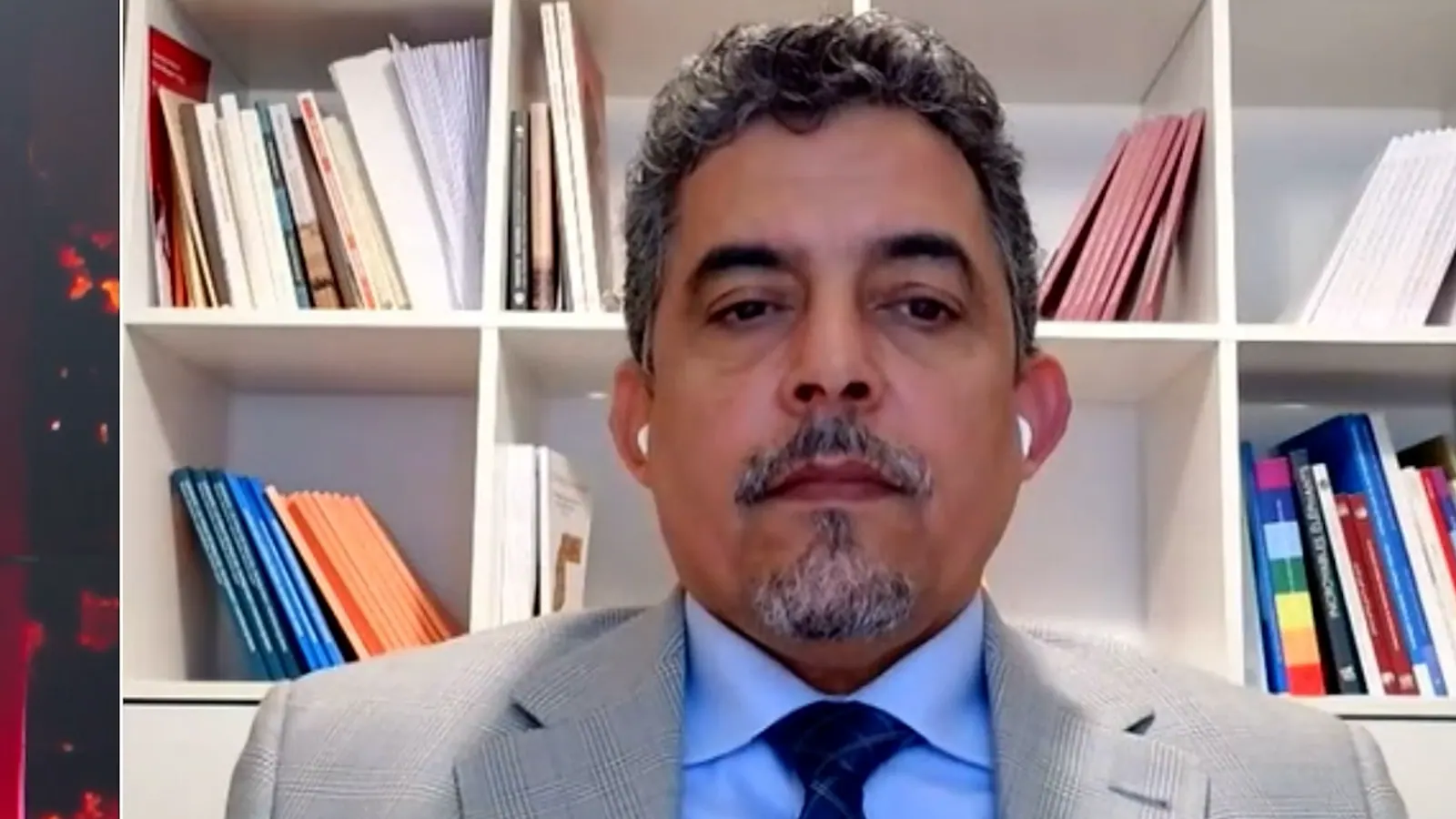
The Special Envoy of the President of the Sahrawi Republic and head of the working group on natural resources and related legal issues, Abi Bashraya Al-Bashir, has stated that the right to self-determination remains at the heart of the UN's political process in Western Sahara. In an interview on the Algerian International Channel, Al-Bashir emphasized that the UN Security Council's resolution of October 31, 2025, despite favoring Morocco's autonomy approach, maintained the essence of the Western Sahara issue.
The UN Security Council resolution stressed the importance of the right to self-determination, the centrality of the UN and its charter in finding a solution, and the need for a consensual solution between the parties to the conflict, the Kingdom of Morocco and the Polisario Front. Al-Bashir also highlighted the significance of the UN Mission for the Referendum in Western Sahara (MINURSO) in completing the decolonization of Western Sahara.
Al-Bashir discussed the UN Secretary-General's report, which covers events from November last year to early October. The report mentions three rounds of preliminary talks aimed at reaching a mutually acceptable political solution that guarantees the Sahrawi people's right to self-determination.
The report's paragraph 61 emphasizes that any proposal must undergo a consultative process with the Sahrawi people, allowing them to freely choose to accept or reject it. Al-Bashir considers this process essential to prevent continued denial of the Sahrawi people's inalienable right to self-determination.
Al-Bashir also commented on the Moroccan autonomy proposal, stating that it contradicts UN traditions and charter, specifically resolution 1415. He stressed that the Sahrawi people, concerned with the right to self-determination, should decide on the sovereignty of Western Sahara, considered a non-self-governing territory under international law.
The Sahrawi diplomat touched on the process of identifying voters linked to preparing for a self-determination referendum. He noted that the UN has made significant progress since 1991, completing over 80% of the work on identifying voters and making substantial technical preparations for the referendum.
Al-Bashir criticized Morocco's rejection of the referendum, arguing that this rejection contradicts Morocco's narrative about the aspirations of the Sahrawi people. He also discussed human rights in Western Sahara, citing restrictions on journalists, lawyers, and international parliamentarians' access to the territory.
Key points
- The UN report emphasizes the right to self-determination for the Sahrawi people.
- The Sahrawi people's right to self-determination remains at the heart of the UN's political process in Western Sahara.
- Morocco's autonomy proposal contradicts UN traditions and charter.