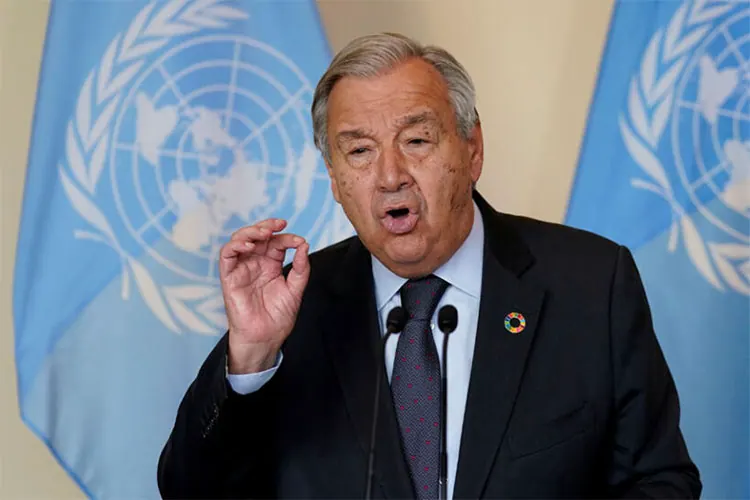
The United Nations is set to discuss the Western Sahara conflict at the Security Council, with Secretary-General Antonio Guterres' annual report emphasizing the need for Sahrawi self-determination. The report, obtained by Echorouk El Yawmi, stresses that any solution must be based on the free and voluntary choice of the Sahrawi people. Guterres urges the parties to engage in good-faith negotiations to reach a mutually acceptable political solution.
The report highlights the importance of consulting the Sahrawi people in all steps related to their destiny, ensuring they have a free and voluntary choice in accepting or rejecting any proposal. This approach is essential to guarantee the Sahrawi people's inalienable right to self-determination. The report cites the Security Council's resolution 2440, which emphasizes the need for a solution that ensures the self-determination of the Sahrawi people.
Guterres' report also emphasizes the critical role of the UN Mission for the Referendum in Western Sahara (MINURSO) in preventing the escalation of hostilities and promoting a peaceful resolution. The report recommends extending MINURSO's mandate for another year, until October 31, 2027. This extension is crucial to ensure the continued presence of a UN entity capable of monitoring incidents, conducting investigations, and reporting on the situation.
The report raises concerns about the risks posed by unexploded ordnance to civilians, particularly in areas surrounding the sand wall separating Moroccan-controlled territories from other areas. The report notes that 24 minefields out of 68 known minefields east of the wall remain uncleared. This situation underscores the need for continued international support to address the humanitarian consequences of the conflict.
The report also expresses concern about the lack of independent and comprehensive monitoring of human rights in Western Sahara. The UN High Commissioner for Human Rights has been barred from entering the territory since 2015, which hampers a genuine assessment of the human rights situation. This restriction has been criticized by observers and Sahrawi activists, who highlight the alleged human rights abuses committed by the occupying authorities.
In a clear message to the parties involved, Guterres stresses that any agreement on Western Sahara must be based on international law and enjoy international guarantees to ensure its full implementation. The report emphasizes that no proposal can override the Sahrawi people's right to self-determination and that they must have the final say through a free and voluntary choice.
The Moroccan government has not publicly responded to the report's findings. However, the report's recommendations are likely to influence the Security Council's discussion on the Western Sahara conflict. The international community remains engaged in efforts to find a peaceful solution to the longstanding dispute, with the Sahrawi people's self-determination at the forefront of these efforts.
Key points
- The UN report emphasizes the importance of Sahrawi self-determination in resolving the Western Sahara conflict.