The United Nations Secretary-General's report on the situation in Western Sahara has emphasized the need for enhanced confidence-building measures between Morocco and the Polisario Front. According to sources close to the Polisario Front, the report stresses that these measures, aimed at enabling Sahrawi refugees in Tindouf camps to maintain family ties with their original communities in Western Sahara, remain suspended. The report notes that the Personal Envoy of the Secretary-General has proposed expanding these measures in the context of renewed political processes.
The report highlights a persistent trust gap between the parties, hindering a mutually acceptable solution. The Secretary-General's Personal Envoy, in collaboration with the UN High Commissioner for Refugees (UNHCR), has suggested organizing individual and voluntary "exploratory visits" for Sahrawi refugees to El Aaiun and Dakhla. This initiative aims to provide refugees with a better understanding of conditions in Western Sahara and the details of Morocco's autonomy proposal. The Polisario Front was informed of this initiative on September 2 and expressed willingness to cooperate with the UNHCR on September 14.
The UN Secretary-General's report also notes that the UN Mission for the Referendum in Western Sahara (MINURSO) faces challenges in its operations east of the berm due to Polisario Front activities. The report mentions that MINURSO has received reports of gunfire incidents from the Polisario Front. These developments underscore the complexities and tensions surrounding the Western Sahara conflict.
The Personal Envoy's proposal for exploratory visits is seen as a crucial step towards building trust and promoting a peaceful resolution. By allowing Sahrawi refugees to gain firsthand knowledge of conditions in Western Sahara, the initiative aims to bridge the information gap and foster greater understanding between the parties. Morocco's autonomy proposal, which has been on the table since 2007, remains a key element in the peace process.
The international community has long emphasized the need for a peaceful and negotiated solution to the Western Sahara conflict. The UN Security Council has consistently called for a mutually acceptable solution, based on the principles of the UN Charter. The Secretary-General's report reaffirms the importance of confidence-building measures in achieving a lasting resolution.
The response from the Moroccan Permanent Mission to the UN regarding the report's contents remains pending. The situation in Western Sahara continues to be a subject of international attention, with various stakeholders advocating for a peaceful and sustainable resolution. The UN's efforts to revive the stalled peace process and promote confidence-building measures are crucial in this regard.
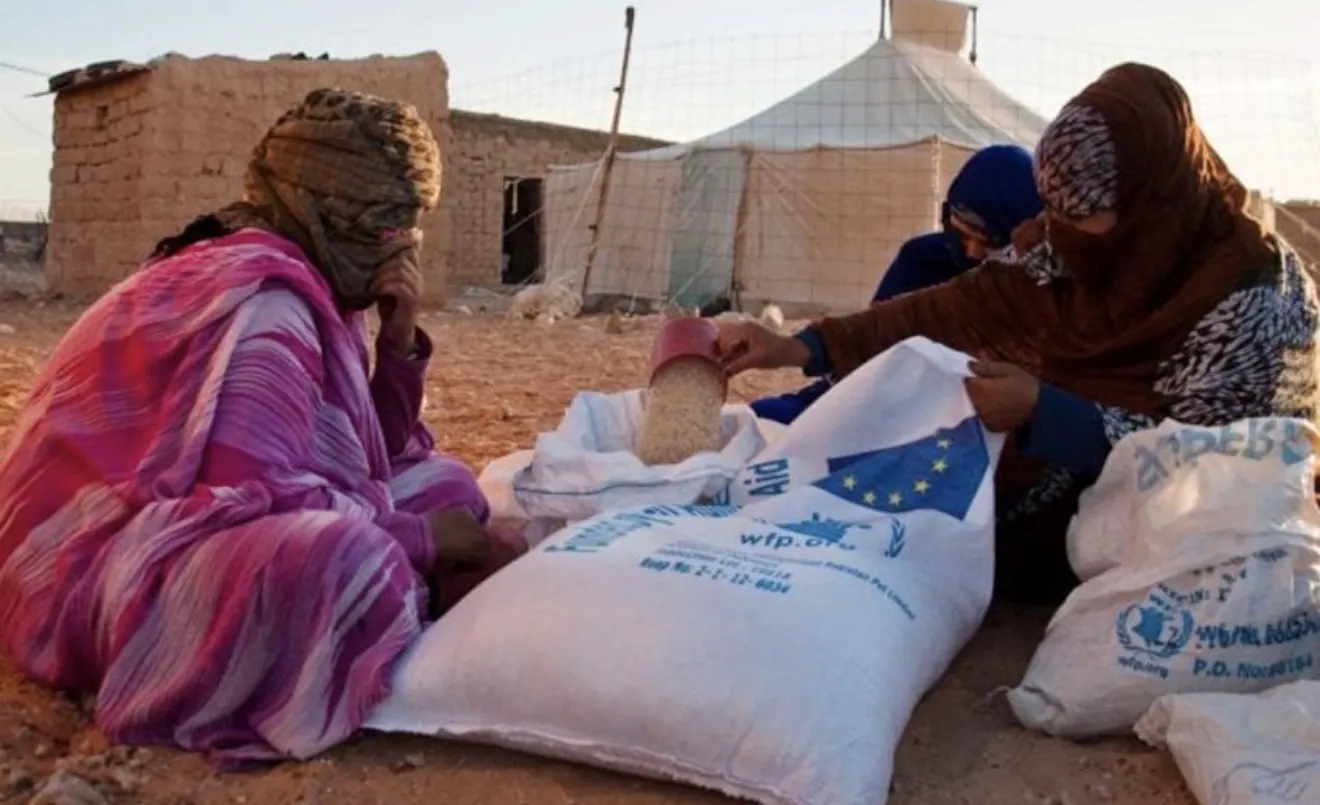
The Western Sahara conflict has been a longstanding issue, with the Sahrawi people facing displacement and uncertainty. The proposed exploratory visits offer a glimmer of hope for refugees in Tindouf camps, who have been living in limbo for decades. As the international community continues to push for a peaceful solution, the success of these initiatives will depend on the cooperation and commitment of all parties involved.
Key points
- The UN Secretary-General's report calls for enhanced confidence-building measures between Morocco and the Polisario Front.
- The report proposes individual and voluntary exploratory visits for Sahrawi refugees to El Aaiun and Dakhla.
- The initiative aims to promote trust and understanding between the parties, ultimately contributing to a peaceful and negotiated solution.