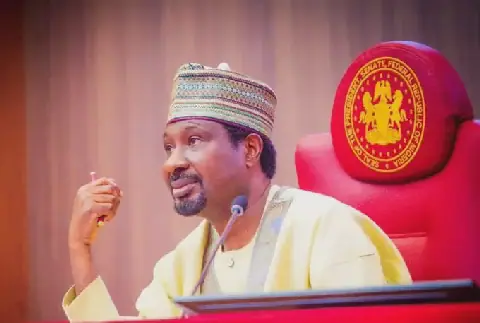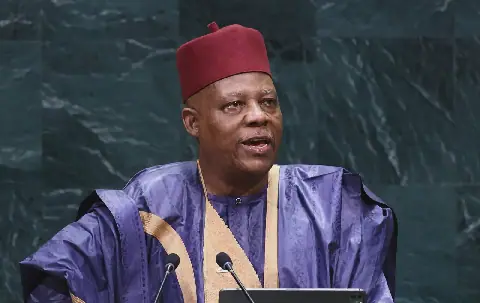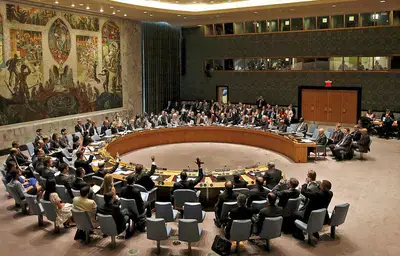
The United Nations is facing significant challenges in its efforts to reform and adapt to the complexities of the 21st century. Despite widespread agreement on the need for reform, member states are sharply divided on key issues such as accountability, funding, and the distribution of power within the organization. This divide was evident during the 81st session of the UN General Assembly, where governments acknowledged the need for the UN to evolve but failed to reach a consensus on the specifics of reform. According to Secretary-General António Guterres, the UN's effectiveness is hindered by unreliable funding and late payments from member states.
The UN80 Initiative, launched to drive reform efforts, has identified three key areas of focus: efficiency, mandate review, and structural and programmatic change. However, the initiative's success is contingent upon the willingness of member states to implement changes, particularly the five permanent members of the Security Council, who wield significant influence over the organization's decision-making processes. Guterres has emphasized the need for the UN to be more representative and inclusive, highlighting the injustice of Africa's exclusion from permanent membership in the Security Council. He argues that the current composition of the Security Council reflects the world of 1945, rather than the present day.
The five permanent members of the Security Council - China, France, Russia, the United Kingdom, and the United States - have presented distinct visions for the UN's future. US President Donald Trump, for example, has advocated for a more limited role for the UN, emphasizing the importance of national power and personal diplomacy in driving global outcomes. In contrast, French President Emmanuel Macron has presented a robust defense of the UN as a source of legitimate order, emphasizing the importance of international law and multilateral action. Macron's vision for the UN is centered on the principles of accountability, transparency, and the protection of human rights.
The UK's approach to UN reform has focused on practical concerns, such as addressing Russian disinformation and the risks associated with artificial intelligence. UK Prime Minister Andy Burnham has proposed the establishment of a National Centre for Information Defence and called for global standards on transparency and safe AI development. However, the UK's approach has been criticized for sidestepping the more fundamental questions of UN reform, including Security Council representation and the privileges of permanent membership. Burnham's emphasis on cooperation against shared threats has been seen as a pragmatic approach, but one that fails to address the underlying issues of UN legitimacy.
China, represented by Vice-President Han Zheng, has presented a distinct vision for the UN's future, one that emphasizes the importance of international law, common security, and development. Zheng has argued that major powers have a special responsibility to follow common rules and has called for greater support for the Global South. China's approach has been seen as an attempt to promote a more inclusive and equitable international order, one that addresses the imbalances in representation and influence within the UN. However, China's vision has been criticized for its limitations on collective action and accountability.
Russia's Foreign Minister Sergey Lavrov has presented a critical view of Western dominance within the UN, arguing that a "Western minority" is seeking to defend its privileges and impose its preferences on the organization. Lavrov has called for a more inclusive Security Council, with permanent seats for Brazil and India, and has argued that the UN should be more representative of the global community. However, Russia's approach has been seen as contradictory, as it seeks to promote a more multipolar world while also defending its own interests and influence within the UN.
The divisions among global powers on UN reform are likely to continue, with significant implications for the organization's effectiveness and legitimacy. The success of reform efforts will depend on the willingness of member states to compromise and find common ground, particularly on issues such as Security Council representation, funding, and accountability. As Guterres has noted, the UN's future depends on its ability to adapt to the changing global landscape and to deliver results for all its member states.
Key points
- The UN's reform efforts are hindered by divisions among global powers on key issues such as accountability, funding, and authority.
- The five permanent members of the Security Council have presented distinct visions for the UN's future, reflecting their competing interests and priorities.
- The success of UN reform efforts will depend on the willingness of member states to compromise and find common ground on issues such as Security Council representation, funding, and accountability.