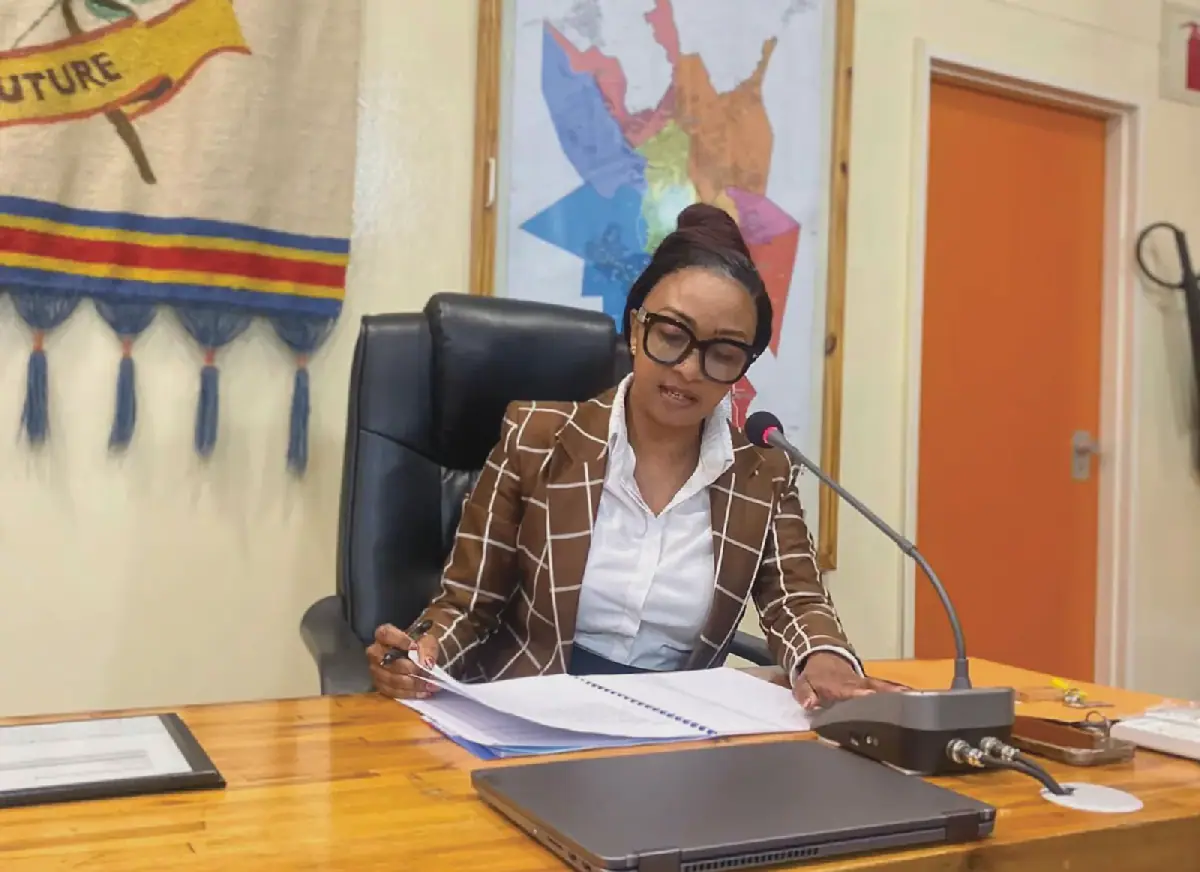
The United Nations Eswatini has congratulated Mbabane Municipal Council Chief Executive Officer Gciniwe Fakudze for her participation in the inaugural African Academy for Women in Political Leadership. The academy, held in Kigali, Rwanda, brought together 40 women leaders from Africa and the Caribbean. Fakudze was selected to participate in the UNDP-led initiative, which aims to strengthen women's participation and influence in political leadership and governance.
The African Academy for Women in Political Leadership is a partnership between the UNDP, the African School of Governance, the African Union Commission, and the African Women Leaders Network. The programme seeks to equip women leaders with the skills, knowledge, and networks needed to strengthen democratic institutions and increase their influence in decision-making.
Fakudze's participation in the academy is a notable representation for Eswatini, as the inaugural cohort was selected from over 1,300 applications received from 28 African countries and the Caribbean. The programme's curriculum addresses some of the barriers that limit women's participation in political leadership, including political financing, coalition-building, communication, ethical leadership, and resilience.
During the launch, UNDP Regional Programme for Africa Director Dr. Jide Okeke highlighted the financial challenges faced by women seeking political office. He noted that contesting a parliamentary seat on the continent could cost an average of $40,000. The academy aims to equip women with practical knowledge of campaign financing, alongside legislative skills and strategies for building political coalitions.
The programme promotes intergenerational learning by bringing together experienced political leaders and emerging women leaders. Participants engaged with several prominent former African leaders, including former Ethiopian president Sahle-Work Zewde, former Central African Republic president Catherine Samba-Panza, and former African Union Commission chairperson Dr. Nkosazana Dlamini-Zuma.
Following the five-day residential launch, participants proceeded to a three-week online programme involving mentorship, structured learning, and peer-support sessions. The academy is expected to maintain an active alumni network, allowing participants to continue supporting one another during political campaigns, legislative terms, and leadership responsibilities.
UNDP and the African School of Governance Foundation also signed a five-year memorandum of understanding aimed at expanding opportunities for women's transformative leadership across the continent. Fakudze's participation places Eswatini within this continental initiative, which seeks to move beyond advocating for women's participation towards strengthening their capacity to exercise meaningful influence in leadership and governance.
Key points
- The African Academy for Women in Political Leadership aims to equip women leaders with skills, knowledge, and networks to strengthen democratic institutions and increase their influence in decision-making.
- Fakudze's participation in the academy is a notable representation for Eswatini, selected from over 1,300 applications received from 28 African countries and the Caribbean.
- The programme addresses barriers that limit women's participation in political leadership, including political financing, coalition-building, communication, ethical leadership, and resilience.
Reporting sources
- UN praises Mbabane CEO for African leadership role · Swazi Observer