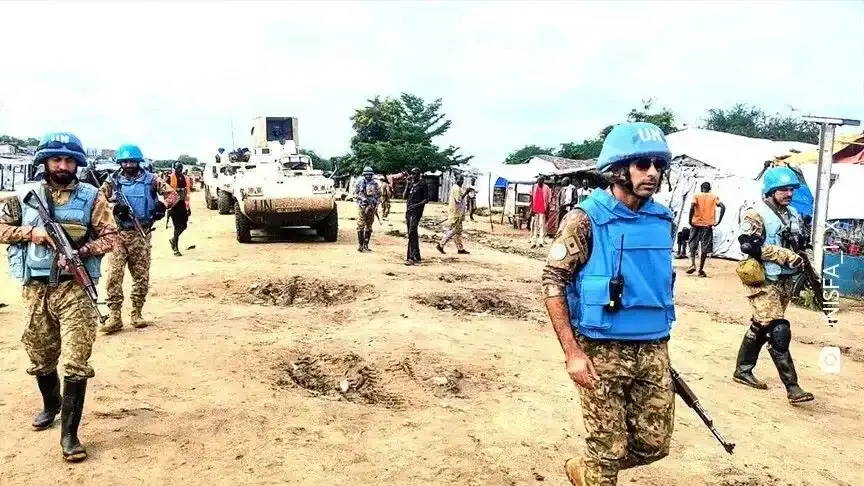
The UN's top peace operations official, Jean-Pierre Lacroix, briefed the Security Council on the UN Interim Security Force for Abyei (UNISFA), highlighting a 32% decline in security incidents compared to the same period last year. Lacroix stated that UNISFA is delivering tangible results, citing measurable progress in the region. He emphasized that the mission's achievements are significant, but the situation remains fragile. Lacroix warned that the environment in which UNISFA operates is becoming increasingly complex.
Lacroix described the preservation of general stability in the region as the most significant achievement of the reporting period. UNISFA maintained proactive deployments, sustained freedom of movement, and supported local dialogue mechanisms. The mission also facilitated seasonal migration arrangements and strengthened community-based protection structures. These efforts have contributed to a decline in security incidents, with Lacroix attributing this progress to UNISFA's stabilizing effect in the region.
Despite the achievements, Lacroix cautioned that challenges remain. The security situation in Abyei remains fragile, and the mission requires the Council's support now more than ever. Lacroix stressed the need to equip peacekeepers with the necessary tools, capacities, and protection to operate safely and effectively implement the mission's mandate. He emphasized that ensuring peacekeepers' safety is essential to the mission's success.
Guang Cong, the UN secretary-general's special envoy for the Horn of Africa, also briefed the Council. He stated that the conflict in Sudan continues to adversely affect relations between Sudan and South Sudan. Cong noted that the foremost challenge in Abyei extends beyond local tensions, highlighting the need to safeguard the recently revitalized dialogue between Sudan and South Sudan.
Cong emphasized that the dialogue between Sudan and South Sudan is indispensable to preserving stability and advancing a political resolution to determine Abyei's final status. He warned that the conflict in Sudan and political pressures in South Sudan pose significant challenges to this process. Lacroix and Cong's briefings highlighted the complexities of the situation in Abyei and the need for continued support and cooperation.
The reporting period, which covered April 16 to October 1, demonstrated that UNISFA continues to have a stabilizing effect in the region. Lacroix stated that progress has been achieved, but it remains fragile. He emphasized that the challenge before the Council is not simply to sustain stability but to ensure that UNISFA remains fit for purpose in an increasingly complex and fluid regional environment.
The situation in Abyei remains a pressing concern for the international community. The UN's efforts to maintain stability and support a political resolution to the region's status are ongoing. Key points from the briefings include:
Key points
- A 32% decline in security incidents in the Abyei region compared to the same period last year.
- The need for continued support and cooperation to ensure UNISFA's success.
- The complexities of the situation in Abyei, including the impact of the conflict in Sudan and political pressures in South Sudan.