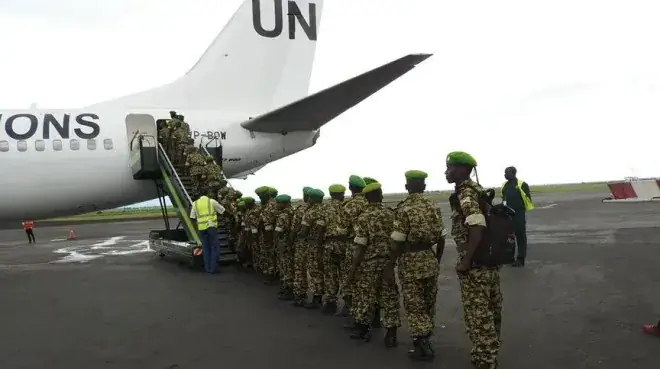
The United Nations Transitional Assistance Mission in Somalia (UNTMIS) will conclude its mandate on October 31, marking the end of over three decades of UN missions in the country. According to UN Secretary-General Antonio Guterres' spokesman, Stephane Dujarric, the mission will cease operations in accordance with Security Council resolutions and a request from Somalia's federal government. This milestone brings to a close the UN's involvement in supporting peacebuilding, state-building, governance, and reconciliation in Somalia.
The closure of UNTMIS follows a jointly agreed transition roadmap, under which the mission's responsibilities have been transferred to Somali institutions and UN agencies, funds, and programmes. This transition aims to ensure that the progress made in recent years is sustained and built upon. The UN will continue to support Somalia through its resident agencies and programmes, working closely with Somali authorities, the African Union, and other international partners.
The UN's decision to conclude its mission in Somalia comes as the country continues to face significant challenges, including political, security, humanitarian, and development issues. Despite these challenges, Somalia has made notable progress in recent years, including the establishment of a federal government and the implementation of various reforms. The UN's support has been instrumental in helping the country achieve these milestones.
According to Dujarric, Guterres reaffirmed the UN's commitment to the people of Somalia and to supporting Somali-led efforts to build a peaceful, stable, and prosperous future. The Secretary-General emphasized the importance of sustained international support to consolidate progress, advance inclusive political dialogue and reconciliation, strengthen institutions, and promote and protect human rights.
The conclusion of UNTMIS's mandate is a significant event in Somalia's history, marking a new chapter in the country's development. The UN's departure will allow Somali institutions to take full responsibility for the country's governance and security. However, the UN will continue to play a role in supporting Somalia's development through its resident agencies and programmes.
Somalia continues to face numerous challenges, including security threats from extremist groups such as al-Shabab. The country also faces significant humanitarian challenges, including the impact of floods and droughts. The international community remains committed to supporting Somalia's efforts to address these challenges and build a more stable and prosperous future.
The UN's conclusion of its mission in Somalia will be marked by a ceremony on October 31. The event will bring together representatives from the UN, Somali government, and other international partners to reflect on the progress made and the challenges that lie ahead. As Somalia looks to the future, the country remains committed to building a peaceful, stable, and prosperous society for its citizens.
Key points
- The UN mission in Somalia will conclude its operations on October 31, marking the end of over three decades of support for peacebuilding, governance, and state-building.