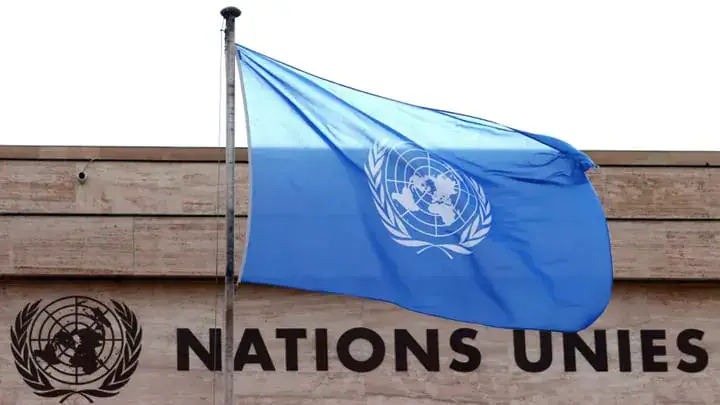
The United Nations Support Mission in Libya (UNSMIL) has denied reports of statements made by its head, Hana Titeh, regarding Libya's ability to pay salaries. According to UNSMIL spokesperson, Mohamed Al-Asadi, no such statements were made by Titeh. He described the media reports as misleading, emphasizing that they do not reflect the actual position of the mission or its head.
The controversy arose from a closed-door session that some media outlets mistakenly reported as a public statement. Al-Asadi clarified that the session was a private discussion that did not involve media coverage. During the session, participants discussed Libya's political, security, and economic situations. Titeh has previously expressed concerns about Libya's economic situation and its impact on citizens' lives in her briefings to the UN Security Council.
In her previous briefings, Titeh emphasized the need for Libya to control public spending, unify economic and financial institutions, and adopt a unified national budget. These measures aim to promote financial sustainability, transparency, and alleviate pressure on the Libyan Dinar. The UNSMIL head has consistently highlighted the importance of these steps to ensure the country's economic stability.
The UNSMIL spokesperson urged media outlets to verify information through official channels and not to disseminate unverified information. He emphasized the importance of accuracy and professionalism in reporting, especially on sensitive topics like Libya's economic situation. The mission encourages the media to rely on official statements and data released by UNSMIL.
Titeh's concerns about Libya's economic situation are not new. She has repeatedly stressed the need for a unified and sustainable economic approach to address the country's challenges. The economic instability has been a major concern for Libyans, affecting their daily lives and the overall stability of the country.
The denial by UNSMIL comes at a time when Libya is struggling with various challenges, including economic instability and security concerns. The country's ability to pay salaries and provide basic services to its citizens remains a pressing issue. The international community, including the UN, has been closely monitoring the situation and offering support to help Libya overcome its challenges.
The UN Mission in Libya continues to play a crucial role in supporting the country's transition to stability and peace. Through its efforts, UNSMIL aims to help Libya address its economic, security, and political challenges. The mission's work includes promoting dialogue, supporting economic reforms, and encouraging a unified approach to addressing the country's problems.
Key points
- UN Mission in Libya denies reports of statements made by its head on Libya's ability to pay salaries.
- The mission emphasizes the need for Libya to control public spending and adopt a unified national budget.
- UNSMIL urges media outlets to verify information through official channels to avoid spreading misinformation.
Reporting sources
- البعثة الأممية تنفي صدور تصريحات عن تيتيه بشأن قدرة ليبيا على دفع المرتبات · Libya Al Ahrar TV