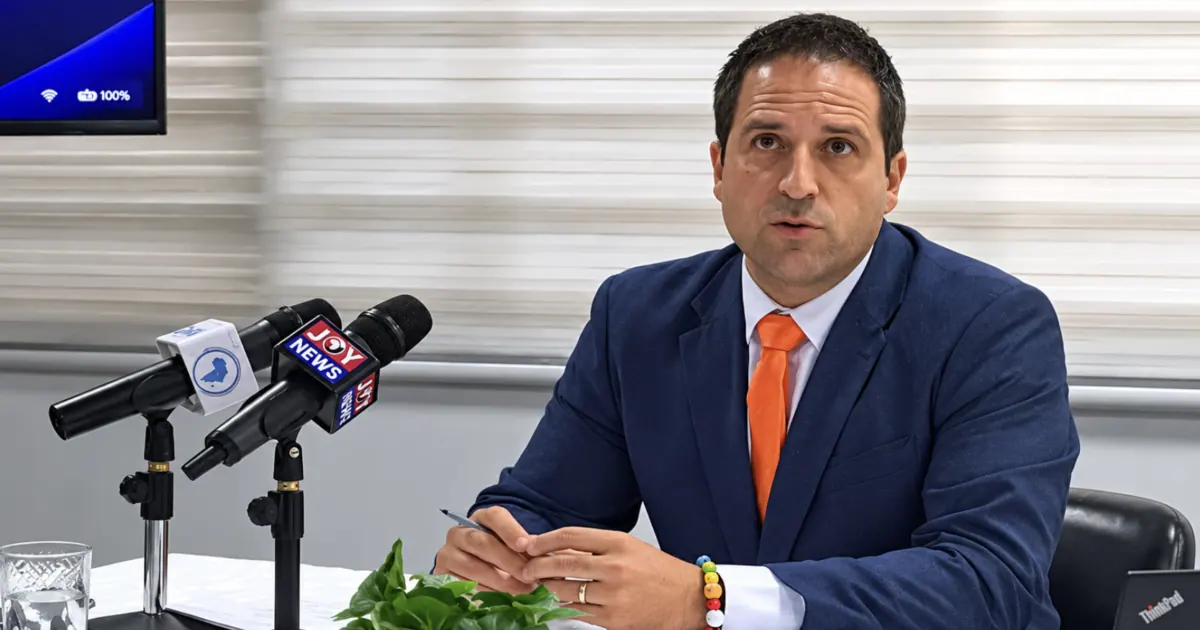
The United Nations Special Rapporteur on the right to adequate housing, Koldo Casla, has concluded a 12-day official visit to Ghana, during which he observed the country's housing construction and physical transformations, primarily in Accra. He noted that flashy billboards around the capital promote real estate investments at stratospheric prices, far beyond the reach of the average Ghanaian. This has led to concerns about housing affordability, with many Ghanaians forced to seek shelter in informal settlements.
According to the UN Special Rapporteur, the unaffordability of formally built housing has resulted in about 31 per cent of the urban population living in informal settlements. A considerable number of citizens are also homeless. The Special Rapporteur's statement encouraged the authorities to actively listen to the needs of people living in poverty in the design of public policies regarding housing. This, he believes, is crucial in addressing the housing affordability crisis.
The construction sector is one of the leading industries and fastest-growing sectors in Ghana, employing hundreds of thousands of people and contributing between 7 and 15 per cent to the country's Gross Domestic Product. However, the high cost of housing has made it difficult for many Ghanaians to afford homes. The UN Special Rapporteur has advised the government to support the Rent Control Department with the requisite logistics to boost operations and ensure that all relevant institutional mechanisms are strengthened for effective monitoring.
The Special Rapporteur's visit and recommendations come at a time when Ghana is experiencing rapid urbanization, with many people moving to cities in search of better economic opportunities. However, this has put a strain on the country's housing infrastructure, leading to a shortage of affordable housing. The government has been urged to take a proactive approach to addressing the housing affordability crisis, including strengthening the Rent Control Department and implementing policies that promote affordable housing.
The UN Special Rapporteur's statement also highlighted the need for the government to ensure that all relevant institutional mechanisms are strengthened for effective monitoring to curb arbitrary rent increases. This, he believes, is crucial in protecting tenants from exploitation by landlords. The government has been urged to take a comprehensive approach to addressing the housing affordability crisis, including implementing policies that promote affordable housing and providing support to those in need.
The housing affordability crisis in Ghana has significant implications for the country's economic and social development. The UN Special Rapporteur's recommendations are aimed at addressing the root causes of the crisis and promoting sustainable and equitable housing solutions. The government has been urged to prioritize the needs of the most vulnerable members of society, including those living in poverty and the homeless.
The UN Special Rapporteur's visit to Ghana and his recommendations have significant implications for the country's housing sector. The government has been urged to take a proactive approach to addressing the housing affordability crisis, including strengthening the Rent Control Department and implementing policies that promote affordable housing. The implementation of these recommendations will be crucial in ensuring that all Ghanaians have access to adequate and affordable housing.
Key points
- The UN Special Rapporteur on the right to adequate housing has advised Ghana to support its Rent Control Department to curb arbitrary rent increases.
- About 31 per cent of Ghana's urban population lives in informal settlements due to the unaffordability of formally built housing.
- The construction sector is one of Ghana's leading industries, contributing between 7 and 15 per cent to the country's Gross Domestic Product.