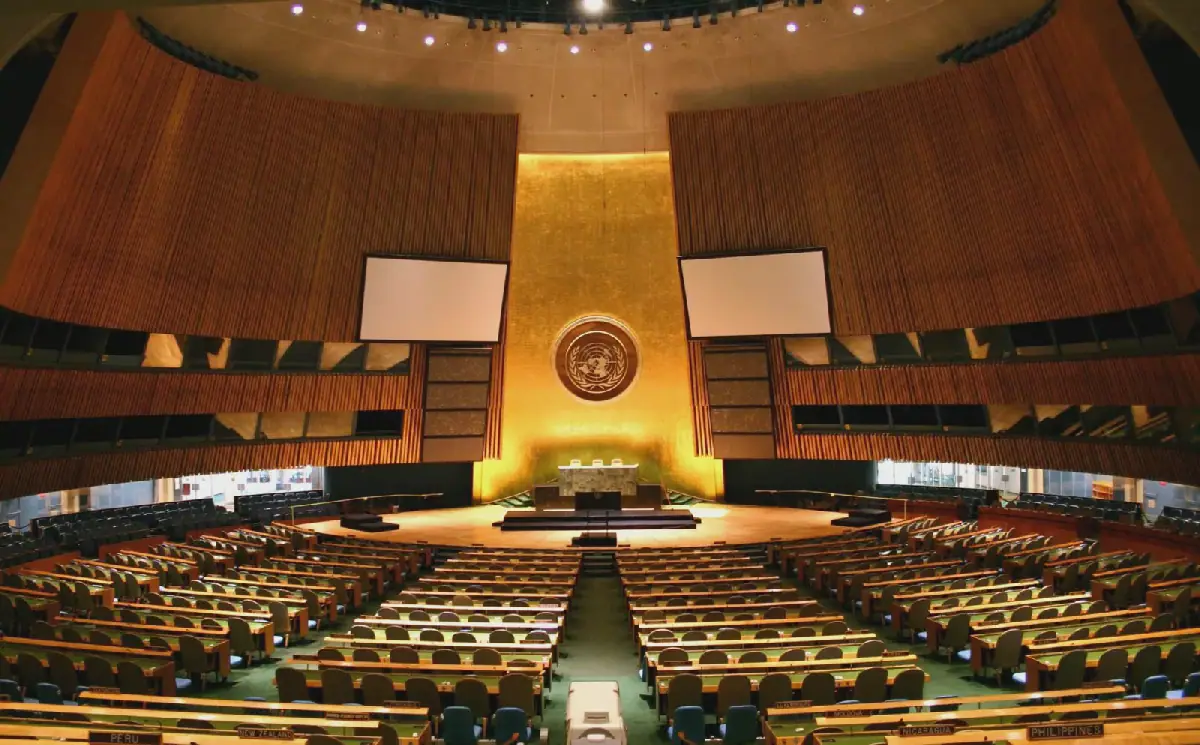
The UN General Assembly voted on Wednesday, October 28, to condemn the US economic embargo on Cuba, with 130 countries supporting the resolution. This represents a significant decline in support, with 35 fewer votes than last year. The resolution, which is non-binding, calls on the US to lift the embargo that has been in place for over 60 years. The US has been imposing the embargo on Cuba since the early 1960s.
The decline in support for the resolution is attributed to a diplomatic campaign led by the US. The number of countries opposing the resolution increased, with 17 countries voting against it, including Morocco and the UAE. These countries joined the US, Israel, and others in rejecting the resolution. The UAE, Colombia, Slovenia, and Trinidad and Tobago switched from supporting to opposing the resolution.
The resolution's supporters argue that the embargo is unjust and hinders Cuba's economic development. Cuba's Foreign Minister, Bruno Rodriguez, stated that the US is "isolated once again." The Cuban government has long maintained that the embargo has caused significant economic hardship for its citizens. The US has been imposing the embargo on Cuba since the early 1960s.
The US Ambassador to the UN, Mike Waltz, defended the US position, stating that diplomacy takes time. He noted that many countries, including major economies, changed their positions on the resolution. The US has been working to strengthen its relationships with countries in the region and to promote a more nuanced understanding of the situation in Cuba.
The resolution's passage was met with mixed reactions. While Cuba's government celebrated the outcome, the US expressed disappointment. The US has been imposing additional sanctions on Cuba, including restrictions on energy supplies. The situation remains complex, with ongoing tensions between the US and Cuba.
The vote on the resolution is an annual event at the UN General Assembly. The resolution is non-binding, meaning that it does not have any direct impact on US policy. However, it does reflect the international community's views on the issue. The US Congress has the authority to lift the embargo, but it has not done so.
The outcome of the vote reflects the ongoing debate about the US embargo on Cuba. The issue remains a contentious one, with different perspectives on the impact of the embargo and the best way forward. The international community will continue to monitor the situation and express its views on the issue.
Key points
- The UN General Assembly voted 130-17 to condemn the US embargo on Cuba.
- The resolution's support declined by 35 votes from last year.
- The US has been imposing the embargo on Cuba since the early 1960s.