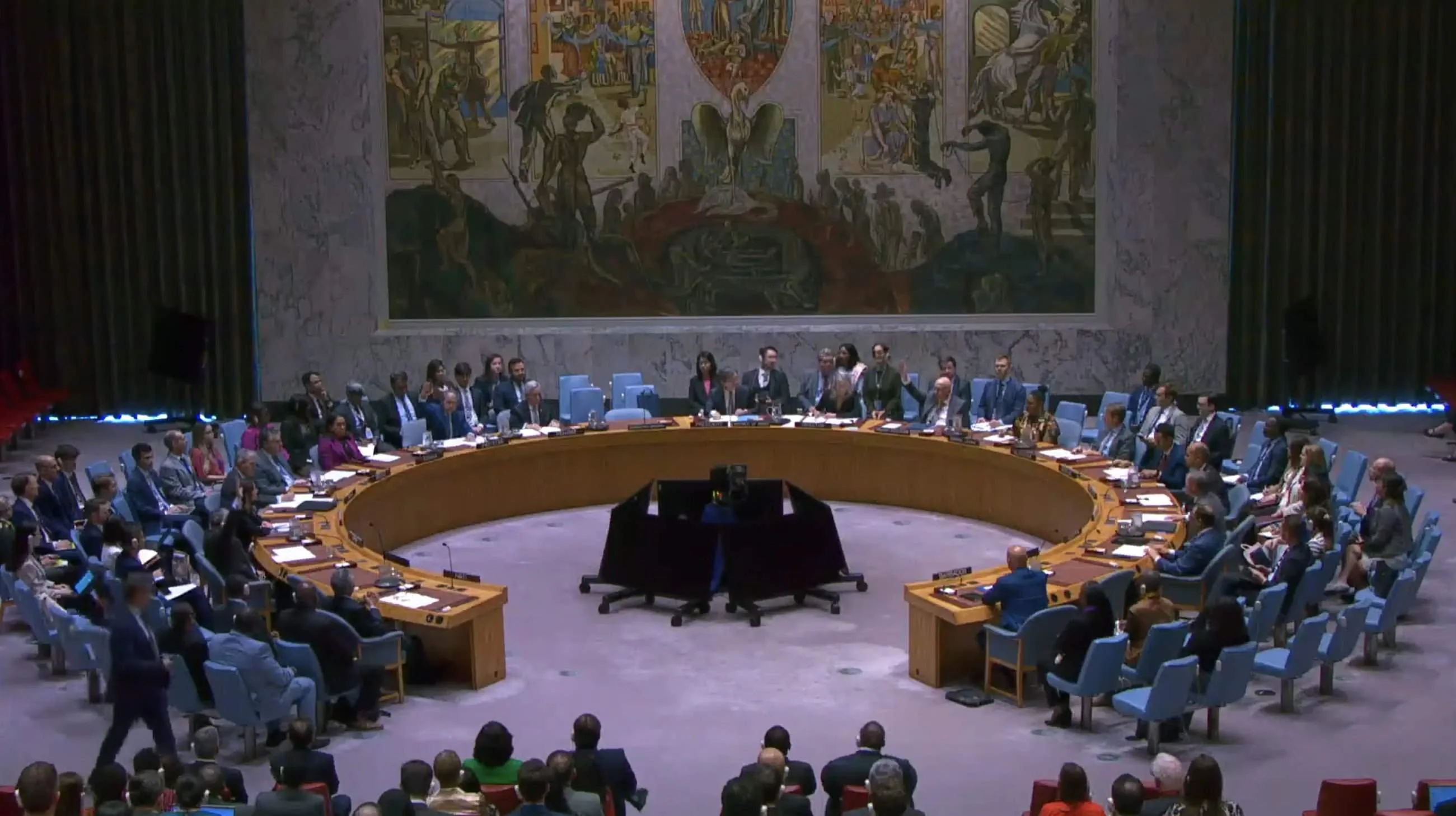
The United Nations Security Council has approved an extension of the mandate for the Haiti anti-gang force until March 31, 2027. The resolution passed with 12 members voting in support, while Russia, China, and Pakistan abstained. This six-month extension provides additional time for the operation, which has faced difficulties in meeting its goals and has undergone changes in leadership since its creation.
The Haiti anti-gang operation, led by Kenya, was first authorised in 2023 under the Multinational Security Support (MSS) framework. Kenyan police officers were the first to arrive on the ground, making Kenya a key player in the operation. The deployment generated debate both internationally and at home, with questions raised over the preparedness of the Kenyan police, human rights concerns, and whether the officers had the capacity to confront well-armed gangs operating across parts of Haiti.
The mission faced criticism in Kenya, where some people questioned the decision to deploy police officers abroad while the country continued to deal with security concerns of its own. Kenyan officers suffered casualties during the operation, while progress against the gangs remained slow. Despite the difficulties, Kenya's leadership of the mission raised Nairobi's international profile and gave it a greater role in discussions on security in the Western Hemisphere.
The United States co-sponsored the resolution and has been a key supporter of the Haiti operation. US Ambassador to the UN Mike Waltz stated that the entire effort is designed around the ultimate objective that Haitians themselves take back control of their own security and their own future. The US designated Kenya a Major Non-NATO Ally in 2024, adding another layer to the growing security relationship between the two countries.
The direction of the Haiti operation changed after a new US administration took office. The increased role of Chad in the Haiti mission marked part of that shift, as leadership moved away from the model initially built around Kenya. The latest UN decision now keeps the force in place for another six months, with the wider objective remaining the restoration of security and the eventual return of responsibility to Haitian authorities.
The international community continues to grapple with Haiti's long-running security crisis and the challenge of helping the country regain control from powerful criminal groups. The extension comes as Haiti's security situation remains fragile, with armed gangs controlling large areas of the country. The UN's decision aims to provide a stable security environment to help Haiti address its challenges.
The UN's extension of the Haiti anti-gang force mandate until March 2027 provides a temporary reprieve for the country, which has been struggling with gang violence and insecurity. The mission's success will depend on various factors, including the ability of the force to work effectively with Haitian authorities and address the root causes of the country's security crisis.
Key points
- The UN Security Council extends the mandate of the Haiti anti-gang force until March 31, 2027.
- The Kenya-led operation has faced difficulties in meeting its goals and has undergone changes in leadership since its creation.
- The international community continues to grapple with Haiti's long-running security crisis and the challenge of helping the country regain control from powerful criminal groups.