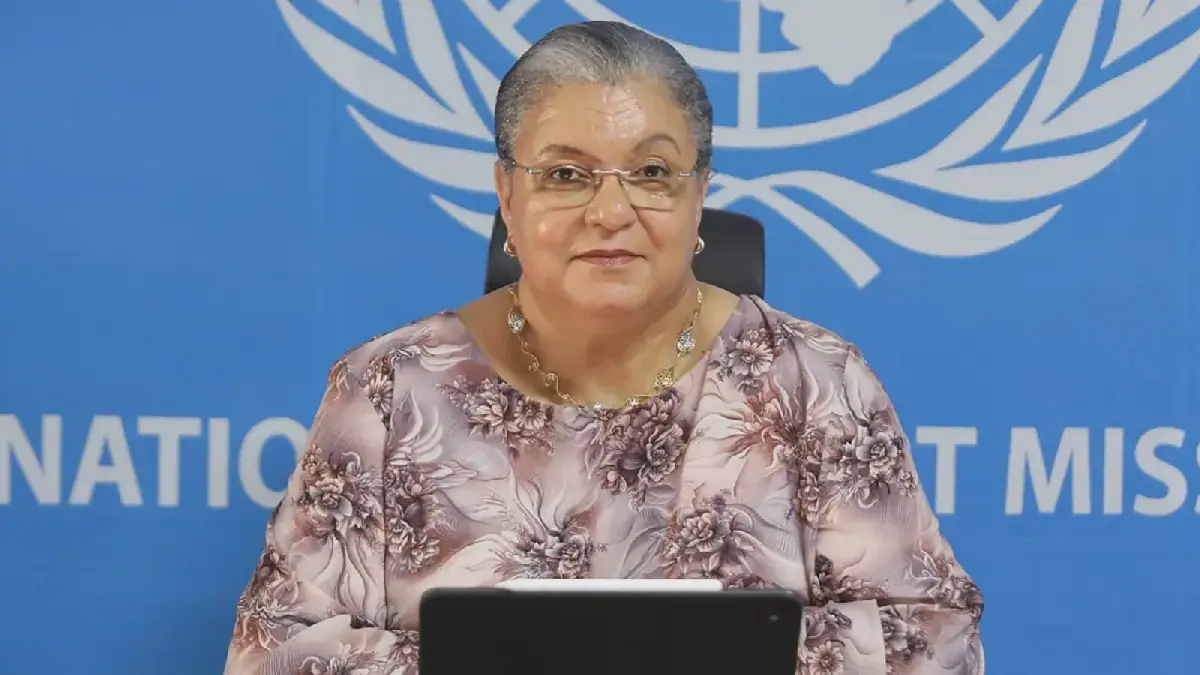
UN Envoy Hana Titi has warned of escalating economic pressures in Libya, citing excessive public spending, declining Dinar value, and reduced purchasing power as major concerns. Despite stable energy prices in 2026, these issues are significantly impacting citizens. Titi emphasized these challenges during the opening of a comprehensive meeting of the Economic Working Group as part of the Berlin Process.
Titi pointed out that poor economic governance, political interference in sovereign and regulatory institutions, and illicit activities such as fuel smuggling and money laundering are diverting billions of dollars away from Libyans. These activities undermine economic and financial stability in the country. She called for coordinated actions to enhance institutional accountability and protect public resources.
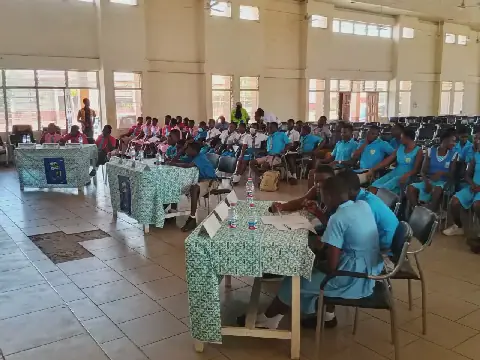
The meeting, co-chaired by Egypt, the US, the European Union, and the UN Mission, was attended by representatives from Libyan institutions, countries, and international and regional organizations. Participants included the Libyan Audit Bureau and the National Oil Corporation. Discussions focused on promoting transparency and oversight of public resources, protecting sovereign institutions, and combating fuel smuggling and illicit financial flows.
The Economic Working Group meeting aimed to address critical economic issues affecting Libya. Titi stressed that good economic governance is closely linked to the broader political process and that all Libyans must benefit from the country's wealth. Her remarks underscored the need for concerted efforts to stabilize Libya's economy and ensure that its resources serve the population.
Key areas of discussion included ways to bolster transparency, improve oversight of public finances, and protect Libyan institutions from interference. Participants also reviewed ongoing reforms in the oil and banking sectors, as well as challenges hindering their implementation. The meeting provided a platform for stakeholders to share insights and strategies for addressing Libya's economic challenges.
The UN Envoy's warnings and recommendations highlight the urgent need for economic reforms in Libya. Excessive spending, political interference, and illicit activities have contributed to economic instability. The international community's engagement, as seen in the Economic Working Group meeting, demonstrates a commitment to supporting Libya's economic recovery and stability.
Moving forward, Libya faces significant hurdles in stabilizing its economy and ensuring that its wealth benefits its citizens. The UN and international partners will likely continue to play a crucial role in supporting Libya's efforts to address these challenges. Effective governance, transparency, and accountability will be essential in achieving long-term economic stability and prosperity in Libya.
Key points
- UN Envoy Hana Titi warns of excessive public spending, declining Dinar value, and reduced purchasing power in Libya.
Reporting sources
- تيتيه تحذر من الإنفاق المفرط والتدخل السياسي وتهريب الوقود · Libya Al Ahrar TV