United Nations envoy James Swan concluded his mission to eastern Democratic Republic of the Congo with a visit to Bunia, the capital of Ituri province. There, he met with military governor Major General Kasongo Mulumba Gaby to discuss ways to enhance security for civilians. Their talks focused on the ongoing challenges posed by armed violence in the region. The meeting came after Swan's visit to Beni in North Kivu province.
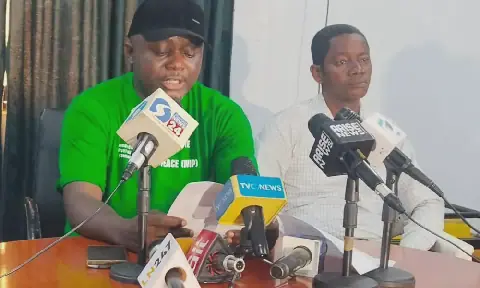
During a press conference, James Swan reaffirmed the UN's commitment to supporting the people of Ituri, who are facing a difficult period due to armed violence. He emphasized that protecting civilians remains a core aspect of the UN's action in Ituri. The UN peacekeeping mission, known as MONUSCO, continues to conduct patrols, strengthen early warning systems, and adapt its presence in areas where populations are most exposed.
MONUSCO has made significant efforts to protect civilians in Ituri. In late September, the mission protected over 3,000 civilians in Djugu territory following clashes. In August, MONUSCO reinforced its presence in Bamande, Irumu territory, to better safeguard civilians. According to Swan, the mission's rapid interventions and troop movements have improved the response to threats against civilians.
Collaboration between MONUSCO, the FARDC (Democratic Republic of Congo's armed forces), and provincial authorities remains crucial in ensuring civilian security. Swan highlighted the importance of this partnership in addressing the complex security challenges in Ituri. The UN envoy's visit aimed to bolster these partnerships and reassure the local population of the international community's commitment to their safety.
MONUSCO's support extends beyond security to include assistance in combating the Ebola virus in Ituri. The mission facilitates the movement of health and humanitarian teams and contributes to the security of health structures in several areas, including Rwampara, Gulu, Marabo, Nyakunde, and Nia-Nia. This multi-faceted approach underscores the UN's comprehensive strategy to address both immediate and long-term challenges in the region.
The situation in Ituri remains volatile, with armed groups posing significant threats to civilians. James Swan's visit and statements reflect the UN's ongoing engagement with the crisis. The UN peacekeeping mission has been present in the DRC since 1999, with a mandate that includes protecting civilians and supporting the government's efforts to stabilize the country.
As the situation in Ituri continues to evolve, the UN's role in supporting peace and security remains critical. The international community closely monitors developments in the region, emphasizing the need for sustained efforts to protect civilians and promote stability. Key to these efforts is the collaboration between MONUSCO, local authorities, and the FARDC in addressing the root causes of violence and ensuring a lasting peace.
Key points
- The UN reaffirms its commitment to protecting civilians in Ituri through MONUSCO's ongoing patrols and security reinforcement.
- MONUSCO's support for Ebola combat efforts includes facilitating health teams and securing health structures.
- Collaboration between MONUSCO, FARDC, and local authorities is crucial for ensuring civilian security in Ituri.